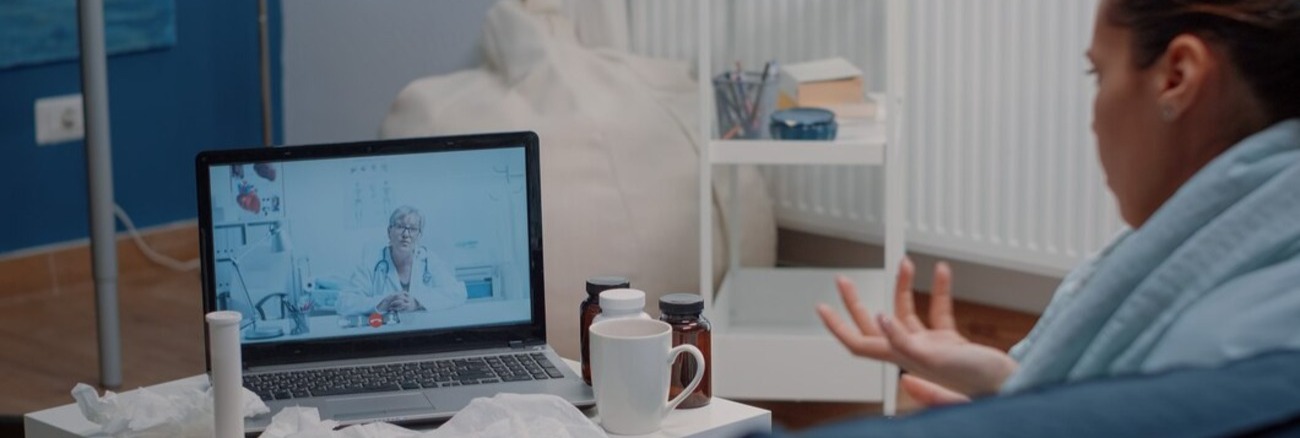
Many people across the world find it difficult to access healthcare services and facilities. Oftentimes, it’s due to financial reasons. In some cases, it's a geographical issue, while in others, it's because of skill shortages. Even in areas with enough medical professionals, challenges can arise due to transportation problems.
Fortunately, remote patient monitoring (RPM) can break down these barriers by enabling patients to receive medical attention remotely. But aside from helping patients receive proper and timely care, RPM also benefits healthcare providers and the healthcare system as a whole. Here are some key examples:
Improves Data-Driven Clinical Decision Making
RPM helps healthcare providers keep track of their patient's health even when they are not in the office. With RPM technology, they can see how their patients are doing over time, track blood pressure and other health conditions, and make better decisions about their care.
Moreover, RPM lets providers connect with patients from anywhere as long as they have an internet connection, and this added convenience leads to better communication. This is crucial because patients are more likely to adhere to treatment plans and personalized care management if they feel comfortable with their healthcare providers.
Reduces Cost of Care
Remote patient monitoring solutions have significantly reduced emergency room (ER) utilization, leading to fewer hospital admissions and readmissions (especially unnecessary ones). RPM allows healthcare providers to divert patients from the ER and discharge them earlier, ultimately leading to shorter lengths of stay for patients and lower costs of care for healthcare facilities.
Healthcare providers can also use RPM to monitor patients with chronic illnesses in their own homes, reducing the need for expensive hospital stays. Allowing patients to receive care at home helps to reduce the strain on healthcare resources, ultimately lowering costs on the provider's end, too.
Boosts Net Patient Revenue
Healthcare providers save money by using technology to monitor patients from a distance. For instance, they save on rent and utilities, not to mention additional salaries for healthcare staff repeatedly making the rounds to keep track of patient data and condition. By monitoring patients remotely, providers can run their operations better and use resources more effectively, resulting in more net revenue from patients.
Additionally, RPM opens up new opportunities for reimbursement as healthcare systems and insurance companies recognize its value in improving patient outcomes. The financial benefits of RPM are clear, making it a smart investment for healthcare organizations looking to improve patient care and their bottom line.
Optimizes Staff Efficiency
As mentioned earlier, patient monitoring usually takes its toll on healthcare professionals due to its repetitive nature. Doing this remotely benefits clinicians by helping them improve clinical workflows and prioritize care delivery, enabling them to triage each patient and case based on close to real-time patient status.
When there isn't enough staff, RPM can help by letting clinicians provide care virtually instead of in-person visits. By implementing a team-based care model, RPM can give providers more flexibility in managing patient care.
A Final Word on Remote Patient Monitoring
Remote patient monitoring offers several benefits for both patients and healthcare providers. By addressing the rising costs of treating chronic illnesses, the United States' healthcare system can focus on prevention. Although healthcare leaders understand that preventive measures are crucial to lowering costs and improving patient health, it's challenging to prioritize prevention when many people are struggling with chronic conditions.
Fortunately, one of the primary benefits of RPM is increasing access to care for quicker responses to changes in health, preventing costly emergencies. Over time, this directly leads to savings due to fewer ER visits, hospital stays, and readmissions. RPM will also help the country's healthcare system provide better (virtual) care to more people despite a shortage of clinical staff.