- What Is Space Optimization Software for Healthcare Facilities?
- Common Space Management Challenges in Healthcare Facility Operations
- Key Features to Look for in Space Optimization Software
- Best Space Optimization Software for Healthcare Facilities
- How to Select the Right Space Optimization Software
- The Future of Facility Operations Optimization in Healthcare
- Conclusion
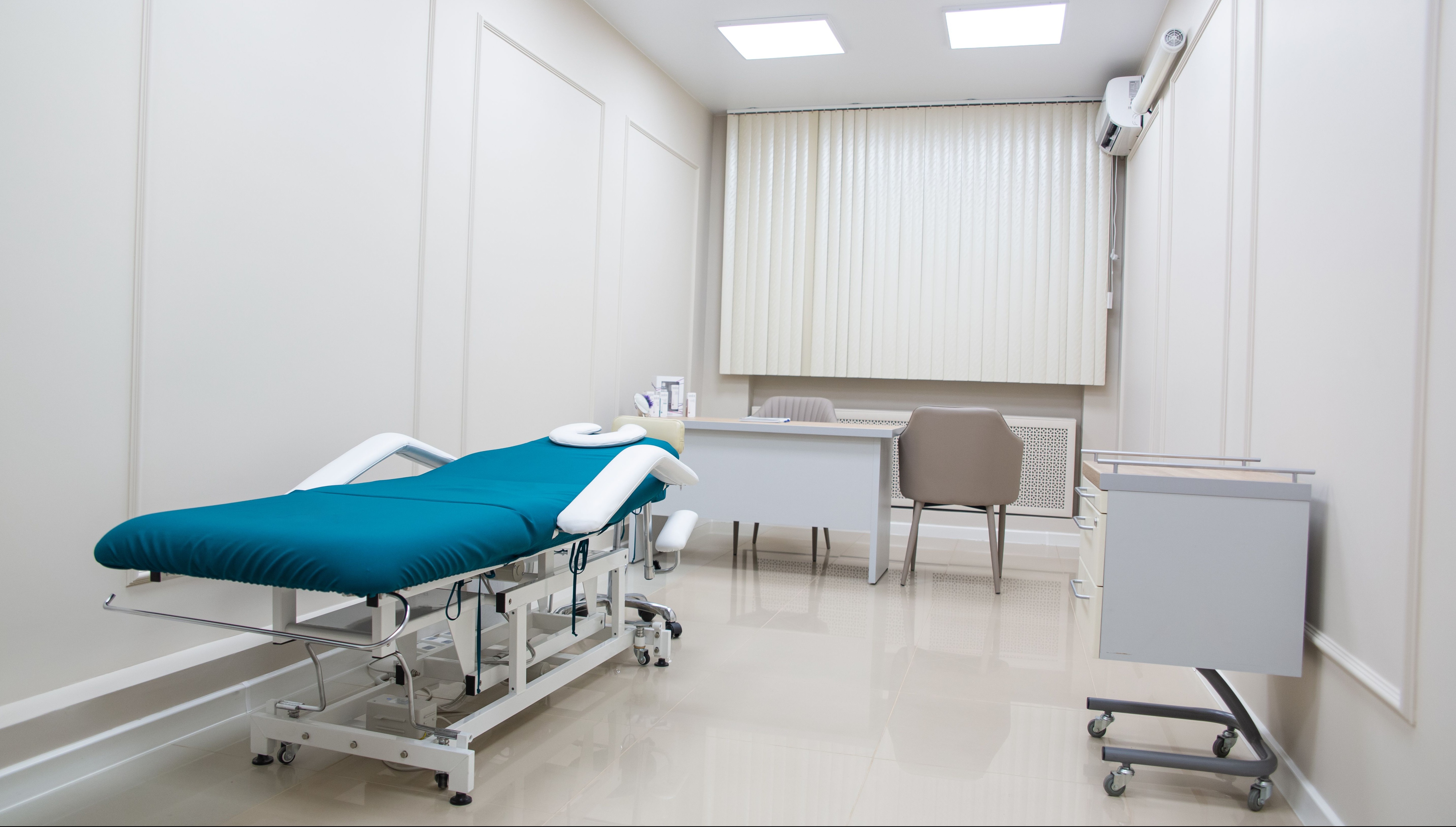
Healthcare organizations are under constant pressure to do more with existing resources. Rising patient volumes, staffing shortages, increasing operating costs, and evolving care delivery models have made facility efficiency a strategic priority. As a result, facility operations optimization has become a major focus for hospitals, health systems, clinics, and specialty care providers.
One area that often presents significant opportunities for improvement is space utilization. Many healthcare organizations struggle with underused clinical areas, overcrowded departments, outdated floor plans, and limited visibility into how facilities are actually being used. Space optimization software helps address these challenges by providing data-driven insights that improve healthcare facility operations and support better decision-making.
This guide explores what space optimization software does, the challenges it helps solve, and the best solutions healthcare leaders should consider.
What Is Space Optimization Software for Healthcare Facilities?
Space optimization software helps healthcare organizations understand, manage, and improve the use of physical space across hospitals, clinics, medical office buildings, and administrative facilities.
These platforms combine occupancy data, floor plans, facility information, asset inventories, and utilization analytics to provide a comprehensive view of facility performance. Leaders can use these insights to allocate resources more effectively, reduce wasted space, improve patient flow, and support long-term planning.
Unlike traditional facility management tools that focus primarily on maintenance, space optimization solutions provide strategic intelligence about how physical environments support organizational goals.
Core Functions of Healthcare Space Optimization Platforms
Most healthcare-focused space management solutions offer:
- Space inventory management
- Occupancy monitoring
- Utilization analytics
- Room scheduling
- Asset tracking
- Floor plan visualization
- Capacity planning
- Scenario modeling
- Regulatory reporting
- Workplace management
These capabilities allow organizations to move beyond static floor plans and make evidence-based facility decisions.
Why Space Optimization Matters in Modern Healthcare
Healthcare facilities are expensive to build, maintain, and operate. Every square foot carries costs related to utilities, maintenance, staffing, equipment, and compliance.
At the same time, healthcare delivery continues to evolve. Organizations must balance inpatient services, outpatient growth, telehealth adoption, administrative workspace needs, and changing patient expectations.
Without accurate utilization data, facilities often experience:
- Unused or underutilized departments
- Space shortages in high-demand areas
- Inefficient patient flow
- Delayed expansion planning
- Increased operating expenses
Space optimization software helps healthcare leaders identify and address these issues before they become operational barriers.
Common Space Management Challenges in Healthcare Facility Operations
Healthcare facilities are among the most complex environments to manage. Clinical operations, patient care requirements, compliance obligations, and infrastructure constraints create unique challenges.
Underutilized Clinical and Administrative Space
Many organizations discover conference rooms, offices, storage areas, and even clinical spaces are used far less than expected.
Without reliable utilization data, facilities teams often rely on assumptions when allocating space. This can result in wasted real estate and missed opportunities to improve efficiency.
Capacity Constraints and Patient Flow Issues
At the same time that some spaces remain underused, others may experience significant congestion.
Emergency departments, outpatient clinics, diagnostic centers, and specialty treatment areas frequently face capacity challenges that affect patient experience and staff productivity.
Space analytics can reveal bottlenecks and support more effective allocation strategies.
Compliance and Reporting Requirements
Healthcare organizations must maintain detailed facility records for accreditation, regulatory compliance, and operational audits.
Tracking departmental assignments, occupancy levels, assets, and facility changes manually can be time-consuming and error-prone.
Modern space management systems streamline documentation and reporting processes.
Rising Real Estate and Facility Costs
Healthcare real estate represents a major operational expense.
Organizations that lack visibility into utilization rates often lease or construct additional space before maximizing existing assets. Better utilization data can help delay costly expansion projects and improve return on facility investments.
Key Features to Look for in Space Optimization Software
Not all space management platforms are designed for healthcare environments. Healthcare leaders should evaluate solutions based on their ability to support operational complexity, regulatory requirements, and long-term planning.
Real-Time Space Utilization Analytics
Utilization analytics provide visibility into how rooms, departments, offices, and clinical spaces are being used.
Organizations can identify:
- Vacant areas
- Peak occupancy periods
- Inefficient layouts
- Departmental imbalances
- Opportunities for consolidation
This data forms the foundation of facility operations optimization efforts.
Scenario Planning and Space Forecasting
Healthcare facilities are constantly evolving.
Leaders need tools that support:
- Service line expansion
- New clinic development
- Department relocations
- Population growth planning
- Capital project evaluation
Scenario modeling helps organizations understand the operational impact of future decisions before implementation.
Integration With Healthcare Facility Systems
The most valuable solutions integrate with existing healthcare technologies.
Common integrations include:
- Computerized Maintenance Management Systems (CMMS)
- Integrated Workplace Management Systems (IWMS)
- Building management systems
- Scheduling platforms
- Asset management tools
- Human resources systems
Connected data improves accuracy and eliminates information silos.
Compliance, Security, and Reporting Tools
Healthcare organizations must maintain strong governance standards.
Key capabilities include:
- Audit trails
- Role-based access controls
- Regulatory reporting
- Documentation management
- Facility change tracking
These features help organizations meet accreditation and compliance requirements.
Interactive Floor Plans and Visualization
Visual representations make facility data easier to understand.
Interactive floor plans help stakeholders:
- View occupancy patterns
- Assess departmental layouts
- Track assets
- Evaluate future space plans
Visualization improves collaboration between facilities, operations, finance, and executive teams.
Best Space Optimization Software for Healthcare Facilities
Several enterprise platforms offer strong capabilities for healthcare facility operations.
FM:Systems
FM:Systems is widely recognized for workplace management, occupancy intelligence, and space planning capabilities. The platform helps healthcare organizations improve visibility into facility utilization while supporting strategic planning initiatives.
Key Features
- Real-time occupancy monitoring
- Space utilization analytics
- Interactive floor plans
- Workplace intelligence dashboards
- Facility planning tools
- Reporting and benchmarking
This solution is best for healthcare organizations seeking detailed utilization analytics and strategic space planning. One potential drawback is that advanced functionality may require significant data preparation and implementation effort.
Archibus
Archibus is one of the most established integrated workplace management platforms available. It offers comprehensive space management functionality alongside asset, maintenance, and compliance management capabilities.
Key Features
- Space inventory management
- Occupancy tracking
- Capital planning
- Asset management
- Facility reporting
- Portfolio management
This platform is best for large healthcare organizations seeking a comprehensive facility management ecosystem. One consideration is that its extensive feature set can increase implementation complexity.
IBM TRIRIGA
IBM TRIRIGA combines facility management, real estate management, maintenance, and space planning into a unified platform.
Its enterprise architecture makes it particularly attractive for large health systems managing extensive facility portfolios.
Key Features
- Strategic space planning
- Real estate management
- Capital project tracking
- Maintenance integration
- Advanced analytics
- Portfolio optimization
This solution is best for large healthcare networks requiring enterprise-scale facility management. Organizations should be prepared for a more resource-intensive deployment process compared to smaller solutions.
Planon
Planon focuses on smart building management, workplace operations, and facility optimization.
The platform supports healthcare organizations seeking greater operational efficiency through integrated facility data and automation.
Key Features
- Occupancy analytics
- Space planning
- Facility performance monitoring
- Workflow automation
- Reservation management
- Smart building integration
This platform is best for organizations looking to connect facility operations with broader workplace management initiatives. Some healthcare providers may find certain advanced capabilities more relevant to corporate environments than clinical settings.
Eptura (Condeco + iOFFICE)
Eptura combines workplace experience, occupancy analytics, and space management capabilities through the integration of multiple workplace technology solutions.
The platform emphasizes utilization visibility and workplace optimization.
Key Features
- Occupancy monitoring
- Space utilization reporting
- Room scheduling
- Workplace analytics
- Interactive floor plans
- Resource reservation tools
This solution is best for healthcare organizations managing administrative and shared workspaces alongside clinical environments. Organizations with highly specialized healthcare requirements should evaluate industry-specific functionality carefully.
Accruent
Accruent has a strong presence in healthcare facility management, offering solutions designed to support facility lifecycle management, compliance, and strategic planning.
Its healthcare expertise makes it a notable option for hospitals and health systems.
Key Features
- Facility lifecycle management
- Space tracking
- Asset visibility
- Capital planning
- Compliance support
- Facility analytics
This platform is best for healthcare organizations seeking facility management tools tailored to healthcare operations. Some organizations may require additional configuration to achieve advanced space optimization objectives.
How to Select the Right Space Optimization Software
Choosing the right solution requires balancing operational requirements, technical capabilities, and organizational goals.
Define Operational Objectives
Start by identifying the outcomes the organization wants to achieve.
Examples include:
- Increasing utilization rates
- Reducing facility costs
- Improving patient flow
- Supporting expansion planning
- Enhancing reporting capabilities
Clear objectives simplify vendor evaluation.
Assess Current Facility Data Quality
Software effectiveness depends heavily on data accuracy.
Organizations should review:
- Floor plans
- Asset inventories
- Department assignments
- Occupancy records
- Facility documentation
Data cleanup may be necessary before implementation.
Prioritize Integration Requirements
Facility data often exists across multiple systems.
Healthcare leaders should identify essential integrations early in the selection process to avoid future data silos.
Evaluate Scalability Across Multiple Sites
Many healthcare organizations operate across hospitals, clinics, ambulatory centers, and administrative facilities.
Solutions should support growth while maintaining consistent reporting and governance standards.
Build a Business Case for Investment
Space optimization initiatives often generate measurable financial benefits through:
- Reduced real estate expenses
- Better utilization rates
- Delayed capital expenditures
- Improved operational efficiency
- Enhanced workforce productivity
Quantifying these benefits helps secure executive support.
The Future of Facility Operations Optimization in Healthcare
Healthcare facility management is becoming increasingly data-driven.
Emerging technologies are creating new opportunities for operational improvement.
AI-Driven Space Analytics
Artificial intelligence can identify utilization trends, predict future space needs, and recommend optimization strategies.
These capabilities help organizations move from reactive management to proactive planning.
Smart Buildings and IoT Integration
Sensors and connected devices provide real-time visibility into occupancy, environmental conditions, and asset utilization.
This data supports more accurate space management decisions.
Data-Driven Healthcare Facility Operations
As healthcare organizations continue to digitize operations, facility leaders will have access to richer data sources and more sophisticated analytics.
The result will be better alignment between physical environments, workforce needs, and patient care objectives.
Conclusion
Effective healthcare facility operations require more than maintaining buildings and equipment. Organizations must also ensure that valuable space resources are being used efficiently and strategically.
Space optimization software provides the visibility and analytics needed to improve utilization, reduce costs, support compliance, and strengthen long-term planning. Whether managing a single hospital or a multi-site health system, the right platform can play a critical role in facility operations optimization.
By evaluating organizational goals, integration requirements, scalability needs, and data maturity, healthcare leaders can select a solution that delivers measurable operational value while supporting future growth.