- What Is Building Envelope Stormwater Management?
- Key Components of a Building Stormwater Drainage System
- Why It Matters for Commercial Building Performance
- Common Challenges in Commercial Building Stormwater Management
- Design Strategies for Effective Stormwater Control
- Evaluation Criteria for Stormwater Management Solutions
- Tools and Technologies for Commercial Building Stormwater Management
- Implementation Best Practices
- Future Trends in Building Stormwater Drainage Systems
- Conclusion
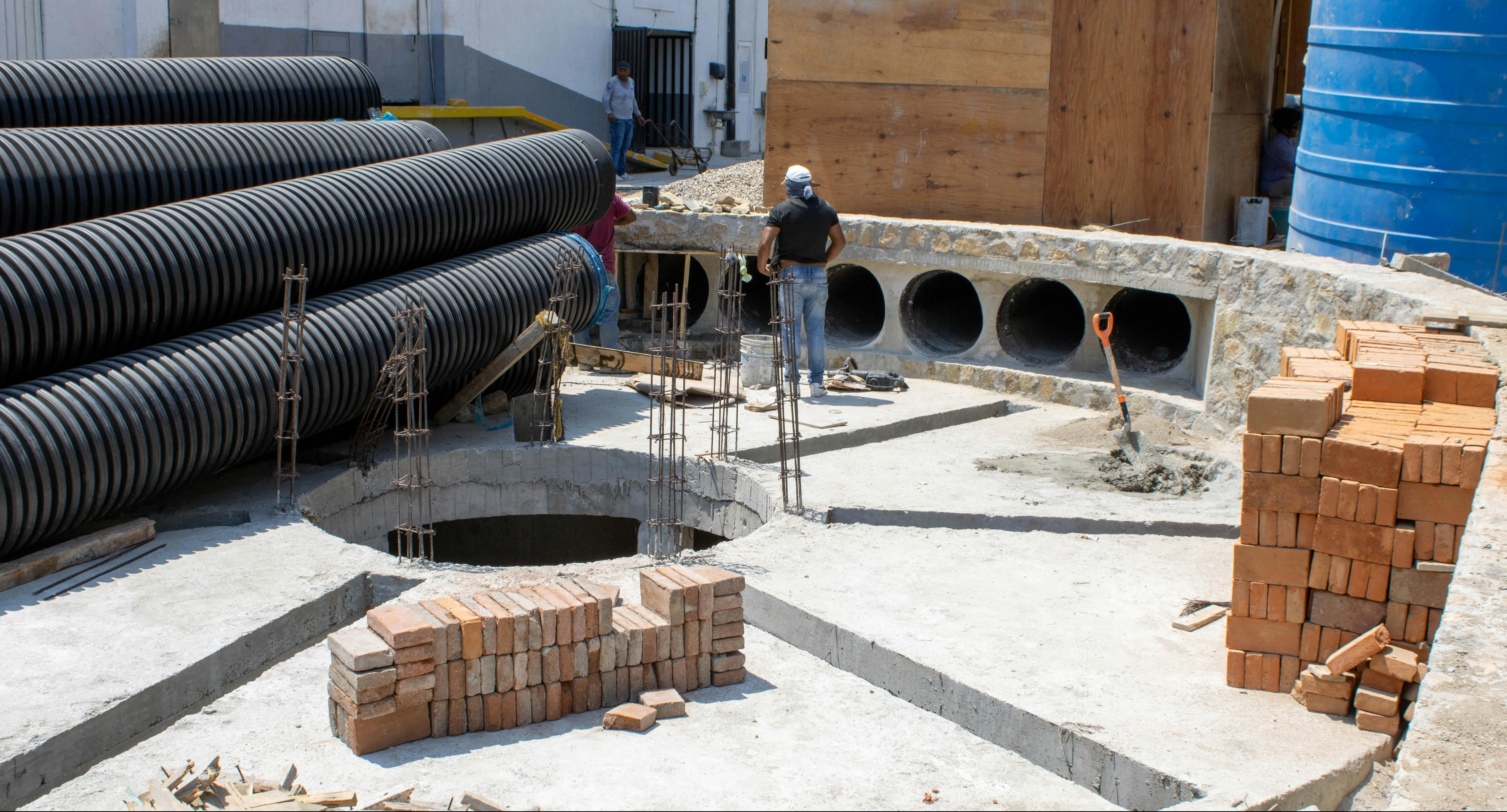
Building envelope stormwater management is becoming a critical priority for commercial building professionals. Increasing rainfall intensity, urban density, and stricter environmental regulations are placing pressure on how buildings manage water. Poor stormwater control can lead to structural damage, operational disruption, and compliance risks.
For property managers, developers, and facility leaders, the focus is shifting from basic drainage to integrated, resilient systems. A well-designed building stormwater drainage system is no longer just a technical requirement. It is a core part of asset performance and risk management.
What Is Building Envelope Stormwater Management?
Building envelope stormwater management refers to how water is collected, controlled, and directed across a building’s external surfaces. This includes roofs, facades, podium decks, terraces, and below-grade systems.
Unlike traditional site drainage, which focuses on land and external infrastructure, this approach integrates stormwater control directly into the building design. It ensures that water is managed at every touchpoint, from rainfall impact to final discharge or reuse.
Key Components of a Building Stormwater Drainage System
A commercial building stormwater management system includes several interconnected elements:
- Roof drainage systems, including internal drains and scuppers
- Gutters and downspouts that channel water vertically
- Waterproofing and membrane layers that protect structural components
- Podium and terrace drainage systems
- Underground detention or retention tanks
- Overflow and emergency drainage pathways
These components must function as a coordinated system. Any weak point can lead to water intrusion or system failure.
Why It Matters for Commercial Building Performance
Effective stormwater management directly impacts building performance:
- Protects structural integrity and prevents water damage
- Reduces long-term maintenance and repair costs
- Ensures compliance with local environmental regulations
- Supports sustainability and ESG reporting goals
- Enhances tenant safety and experience
For large commercial assets, even minor drainage failures can result in significant financial and reputational risks.
Common Challenges in Commercial Building Stormwater Management
Urban Density and Limited Permeability
In dense urban environments, natural drainage is limited. Hard surfaces dominate, which increases runoff volume and speed. This creates pressure on building-level systems to handle peak flows efficiently.
Aging Infrastructure and Retrofit Constraints
Many commercial buildings operate with outdated drainage systems. Retrofitting these systems is complex due to structural limitations, tenant occupancy, and cost constraints.
Climate Variability and Extreme Rain Events
Stormwater systems must now handle both frequent rainfall and extreme events. Designing for variability rather than averages is becoming essential.
Compliance and Local Regulations
Stormwater regulations are evolving quickly. Requirements often include detention, water quality control, and discharge limits. Non-compliance can result in fines or project delays.
Design Strategies for Effective Stormwater Control
Integrated Drainage Design Across the Building Envelope
Successful systems start with coordination. Architects, engineers, and contractors must align early in the design phase. This ensures that drainage paths, slopes, and materials work together seamlessly.
Green Infrastructure and Low Impact Development (LID)
Green infrastructure reduces runoff while improving environmental performance. Common approaches include:
- Green roofs that absorb rainfall
- Permeable paving systems
- Bioswales and landscaped filtration zones
These solutions help reduce the burden on traditional drainage systems.
Detention and Retention Systems
Detention systems temporarily store stormwater and release it slowly. Retention systems store water for reuse, such as irrigation or cooling.
In commercial buildings, these systems are often installed underground due to space constraints.
Smart Monitoring and Predictive Maintenance
Modern systems increasingly use sensors and cloud platforms. These tools monitor water levels, flow rates, and system performance in real time.
Predictive maintenance allows teams to identify blockages or failures before they become critical issues.
Evaluation Criteria for Stormwater Management Solutions
Scalability and System Integration
Solutions should integrate with existing building systems, including HVAC, BMS, and site infrastructure. Scalability is important for portfolio-wide deployment.
Maintenance Requirements and Lifecycle Costs
Low-maintenance systems reduce operational burden. However, upfront savings should not come at the cost of long-term reliability.
Compliance and Reporting Capabilities
Systems should support regulatory reporting. This includes flow data, discharge rates, and maintenance records.
Resilience and Redundancy
Redundant drainage paths and overflow systems are essential. These ensure performance during extreme weather events.
Tools and Technologies for Commercial Building Stormwater Management
Autodesk InfoDrainage
Autodesk InfoDrainage is a design and simulation platform used for stormwater planning. It integrates with BIM workflows and supports detailed hydraulic modeling.
Key features include:
- Advanced drainage simulation
- BIM integration for coordinated design
- Flood risk analysis tools
- Compliance reporting capabilities
This is best for organizations managing complex projects that require early-stage validation. One downside is the learning curve, especially for teams without strong modeling expertise.
Bentley OpenFlows StormCAD
StormCAD is widely used for designing and analyzing stormwater drainage systems. It is suited for large infrastructure and commercial developments.
Key features include:
- Hydraulic and hydrologic modeling
- Scenario analysis for system performance
- Integration with other Bentley tools
- Scalable design capabilities
This is best for engineering teams working on large-scale or multi-site projects. One limitation is that it may be too complex for smaller commercial applications.
HydroCAD
HydroCAD focuses on stormwater modeling and regulatory compliance. It is known for its speed and simplicity.
Key features include:
- Fast hydrology calculations
- Support for multiple runoff methods
- Compliance-focused reporting
- User-friendly interface
This is best for teams that need quick calculations and permit submissions. A drawback is its limited visualization compared to more advanced platforms.
Opti by Aliaxis
Opti provides smart stormwater management using sensors and cloud-based control systems. It enables real-time optimization of water storage and release.
Key features include:
- IoT-enabled monitoring
- Automated control of detention systems
- Cloud-based analytics
- Integration with weather forecasts
This is best for buildings that want real-time control and optimization. One challenge is the need for sensor infrastructure and ongoing connectivity.
StormTrap Systems
StormTrap offers modular underground detention and retention systems designed for space-constrained sites.
Key features include:
- Prefabricated modular design
- High-capacity water storage
- Custom engineering support
- Durable materials for long-term use
This is best for urban commercial developments with limited surface space. The main consideration is higher upfront installation cost and engineering requirements.
Implementation Best Practices
Cross-Functional Collaboration
Stormwater management requires coordination across multiple teams. Early collaboration reduces design conflicts and improves outcomes.
Phased Deployment for Retrofits
For existing buildings, phased upgrades minimize disruption. Start with high-risk areas and expand over time.
Ongoing Monitoring and Maintenance Plans
Routine inspections are critical. Maintenance plans should include cleaning drains, checking sensors, and testing overflow systems.
Future Trends in Building Stormwater Drainage Systems
Climate-Adaptive Design Standards
Design standards are evolving to account for extreme weather. Buildings are being designed with higher capacity and flexibility.
Integration with Smart Building Platforms
Stormwater systems are becoming part of broader building management systems. This enables centralized monitoring and control.
Water Reuse and Circular Systems
More buildings are capturing and reusing stormwater. This supports sustainability goals and reduces water costs.
Conclusion
Building envelope stormwater management is no longer a secondary consideration. It is a core component of commercial building strategy.
As climate risks increase and regulations tighten, organizations must adopt integrated, resilient systems. The combination of smart design, modern tools, and proactive maintenance will define long-term success.
For commercial building professionals, the focus should be clear. Treat stormwater management as an asset-level priority, not just a compliance requirement.