Starting your own business is often challenging, but it can also be rewarding if you play your cards right. Finding which industry you want to invest in should be your top priority.
The poultry industry is a popular choice for business beginners. After all, it's already been proven that poultry farming is profitable.
Like all other endeavors, if you put in the right time, effort, and dedication, your poultry business can be an excellent income source for you and your family.
Starting a Poultry Farm
Before investing a single cent in the industry, learning about the poultry business is essential. Here are a few things you need to remember before starting your poultry farm:
Choose from different kinds of poultry production.
There are four kinds of poultry production. First is broiler production, where chicken meat is prioritized for maximum profit. Chicken farms raise broilers for around seven weeks before selling them to processing plants or private dealers.
Next is egg production, which focuses on producing high-quality eggs for consumption. Since eggs are delicately fragile, farmers must take extra care to deliver them to buyers without breaking or damaging them.
The third poultry sector is pullet production systems. Pullets are hens that are explicitly raised to lay eggs. While the egg farm concentrates on the eggs, pullet systems focus on providing healthy and ideal living environments for hens.
Finally, breeder-bird production systems combine raising broilers and pullets for fertile egg production.
Construct your farm.
Once you understand which poultry business you prefer, it's time to set up your farm. The location you pick must have the requirements to run your business. For instance, poultry farms can produce offensive odors that residential areas are unlikely to approve, but you can secure odor control technology to address that.
Next, you must invest in facilities for your chickens. The size and features of poultry housing systems will depend on which type of production you will run. If you choose broiler poultry, the chickens' houses only need under three square feet of space each. Remember to provide your chickens with proper lighting and ventilation as well.
Invest in the necessary equipment.
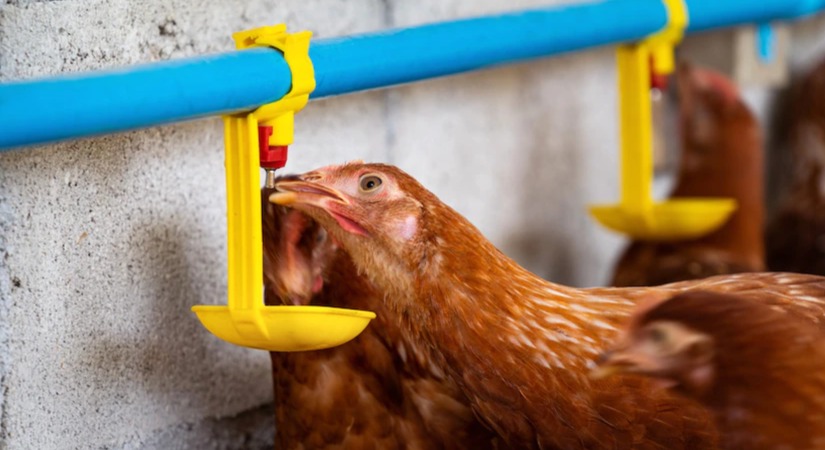
There's a lot of equipment to purchase if you want to run your poultry farm effectively. The most common equipment are cages, feeders, and waterers for the chickens' basic needs.
You can try innovative solutions to improve various aspects of your business. For instance, a modern meat processing system can help recover edible parts of chicken carcasses and convert them into offal paste efficiently.
If you'd instead focus on egg production, there are PLC-controlled incubators that can improve hatching rates by up to 5%.
Buy your chickens.
Finally, it's time to purchase chickens for your farm. Start with day-old chickens to learn how to take care of them early in their life cycles.
Feed your chickens properly to create quality meat and eggs. Expect most of your expenses to go toward your chickens' food and nutritional needs. Keep them healthy and vaccinated for the best results.
If you are running a small farm, you might be able to manage independently. As you raise more chickens, decide if you need to hire extra hands and how much you're willing to pay.