- What Is Commercial Building Insurance?
- Why Commercial Building Insurance Matters for Property Leaders
- What Does Commercial Building Insurance Coverage Include?
- What Is Not Covered: Common Exclusions to Know
- Key Factors That Affect Commercial Building Insurance Costs
- How to Evaluate Insurance for Commercial Property
- Top Providers of Commercial Building Insurance
- Best Practices for Managing Commercial Building Insurance
- Common Mistakes to Avoid
- Conclusion
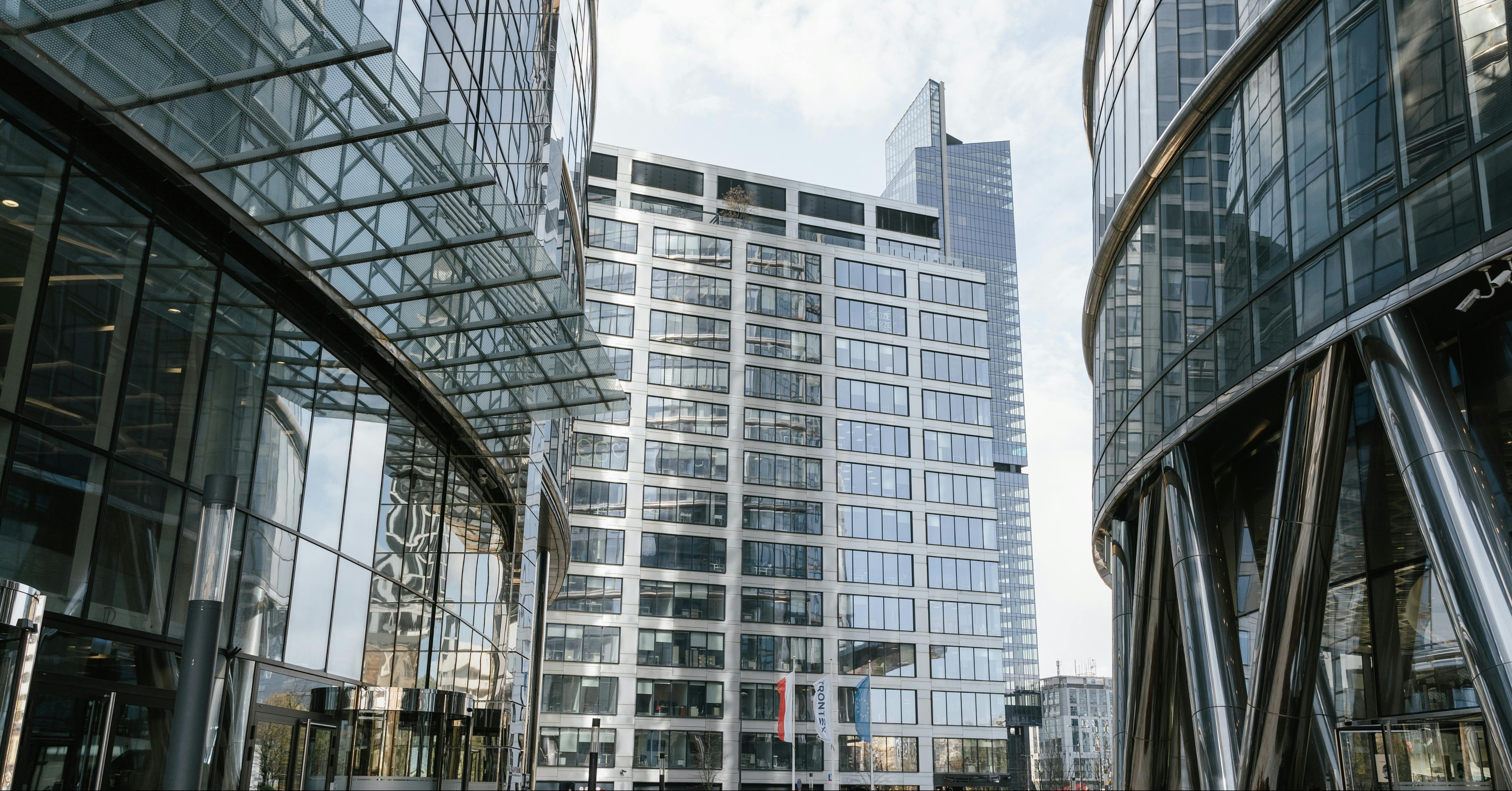
Commercial building insurance is a core component of risk management for property owners and operators. It protects physical assets, supports business continuity, and helps organizations meet lender and regulatory requirements. For commercial building management professionals and leaders, the stakes are rising. Climate-related risks, tenant liability, and increasing repair costs make insurance decisions more complex and more strategic than ever.
This guide explains how insurance for commercial buildings works, what coverage includes, and how to evaluate providers and policies effectively.
What Is Commercial Building Insurance?
Commercial building insurance is a policy designed to protect the physical structure of a commercial property. This includes the building itself, permanent fixtures, and sometimes installed equipment. It is distinct from general liability insurance, which focuses on legal claims, and broader business insurance, which may cover operations, employees, or inventory.
For property owners, this type of insurance ensures that damage to the building does not result in significant financial loss. For tenants and stakeholders, it provides assurance that the property is protected and recoverable after disruptions.
Why Commercial Building Insurance Matters for Property Leaders
For commercial building management professionals, insurance is not just a compliance requirement. It is a strategic tool for protecting long-term asset value and ensuring operational resilience.
A well-structured policy helps leaders manage financial exposure from unexpected events. It also supports tenant retention by ensuring that disruptions are minimized and recovery is fast. In multi-tenant environments, insurance becomes even more critical, as liability risks and shared responsibilities increase.
Leaders who treat insurance as part of a broader risk strategy are better positioned to maintain stable operations and protect revenue streams.
What Does Commercial Building Insurance Coverage Include?
Property Damage Coverage
This is the foundation of commercial building insurance coverage. It protects against damage caused by events such as fire, storms, vandalism, and certain types of water damage.
Coverage typically includes the structure itself, walls, roofing, and built-in systems. For property managers, ensuring accurate valuation is essential. Underestimating replacement cost can lead to significant out-of-pocket expenses during claims.
Liability Protection
Liability coverage protects against claims from third parties who are injured on the property. This includes tenants, visitors, or contractors.
For example, if a visitor slips in a common area, liability insurance can cover legal fees and settlements. This is particularly important in high-traffic commercial buildings such as offices, retail centers, or mixed-use properties.
Business Interruption Insurance
Business interruption coverage helps replace lost income when a building becomes unusable due to a covered event. For property owners, this often means compensating for lost rental income.This coverage is critical for maintaining financial stability during repairs or rebuilding. Without it, even a temporary closure can create long-term financial strain.
Equipment and Systems Coverage
Modern commercial buildings rely on complex systems such as HVAC, elevators, and electrical infrastructure. Insurance can cover repair or replacement costs for these systems if they are damaged.
This is especially relevant for older buildings or properties with specialized equipment. Unexpected system failures can be costly and disruptive.
What Is Not Covered: Common Exclusions to Know
Standard policies do not cover every type of risk. Common exclusions include floods, earthquakes, and damage from wear and tear or poor maintenance.
Property leaders should pay close attention to these exclusions. In many cases, additional policies or endorsements are required to achieve full protection. For example, flood insurance is often purchased separately, even in moderate-risk areas.
Understanding these gaps is essential for avoiding surprises during claims.
Key Factors That Affect Commercial Building Insurance Costs
Building Location and Risk Exposure
Location plays a major role in determining premiums. Properties in areas prone to natural disasters or high crime rates typically face higher costs.
Urban density, proximity to emergency services, and local regulations also influence pricing.
Construction Type and Age
The materials used in construction and the age of the building affect risk levels. Older buildings may have outdated systems, increasing the likelihood of damage or failure.
Buildings constructed with fire-resistant materials or updated to modern codes often receive more favorable rates.
Occupancy and Usage
How a building is used impacts its risk profile. For example, a warehouse, office building, and retail center each present different risks.
Tenant industries also matter. High-risk activities can increase premiums and limit coverage options.
Claims History and Risk Management Practices
A history of frequent claims signals higher risk to insurers. On the other hand, strong risk management practices can reduce premiums.
Regular maintenance, safety protocols, and documented inspections demonstrate a proactive approach to risk.
How to Evaluate Insurance for Commercial Property
Assessing Replacement Cost vs. Market Value
Insurance should be based on replacement cost, not market value. Replacement cost reflects the expense of rebuilding the property with similar materials and standards.
Market value includes land and external factors, which are not relevant to rebuilding after damage.
Understanding Policy Limits and Deductibles
Policy limits define the maximum payout, while deductibles determine out-of-pocket costs before coverage applies.
Leaders must balance affordability with adequate protection. Lower premiums often come with higher deductibles, which may not be practical during major incidents.
Reviewing Policy Endorsements and Riders
Endorsements allow customization of commercial building insurance coverage. These can include protection against specific risks such as floods, earthquakes, or terrorism.
Careful review of these additions ensures that coverage aligns with the building’s actual risk exposure.
Top Providers of Commercial Building Insurance
Allianz Global Corporate & Specialty
Allianz provides enterprise-grade insurance solutions designed for large and complex property portfolios. Its offerings include global coverage, advanced risk engineering, and highly customizable policies.
Key features include deep expertise in multinational property management and tailored underwriting for complex risks. This is best for organizations managing large-scale or geographically distributed assets. One downside is that policy structuring can be complex, especially for smaller teams without dedicated risk specialists.
Travelers Insurance
Travelers offer flexible policies that cater to a wide range of commercial buildings. It is known for strong claims support and adaptable coverage options.
Key features include industry-specific packages, customizable endorsements, and reliable service infrastructure. This is best for mid-sized property managers who need balanced coverage and support. One downside is that pricing can vary significantly depending on the building’s risk profile.
The Hartford
The Hartford focuses on small to mid-sized commercial property owners. It provides bundled insurance options that simplify coverage management.
Key features include user-friendly policy structures, risk assessment tools, and strong customer service. This is best for organizations with straightforward insurance needs or smaller portfolios. One downside is limited flexibility for highly complex or specialized properties.
Chubb
Chubb is known for premium coverage and high policy limits. It specializes in insuring high-value commercial properties and unique assets.
Key features include broad protection, tailored risk management services, and expertise in high-value underwriting. This is best for premium properties or organizations prioritizing comprehensive coverage. One downside is higher cost compared to standard providers.
Best Practices for Managing Commercial Building Insurance
Conduct Regular Risk Assessments
Routine inspections help identify potential risks before they become costly problems. This includes evaluating structural integrity, safety systems, and environmental exposure.
Keep Documentation Updated
Accurate records of property value, upgrades, and maintenance are essential for smooth claims processing. Outdated documentation can delay or reduce payouts.
Align Insurance With Business Strategy
Insurance decisions should align with broader financial and operational goals. Leaders should regularly review policies to ensure they reflect current risks and growth plans.
Common Mistakes to Avoid
One common mistake is underinsuring the property. This often results from relying on outdated valuations. Another issue is overlooking policy exclusions, which can leave significant risks uncovered.
Failing to update policies after renovations or tenant changes is also a frequent problem. These changes can alter the building’s risk profile and require adjustments to coverage.
Conclusion
Commercial building insurance is more than a protective measure. It is a strategic asset that supports resilience, financial stability, and long-term value.
For commercial building management professionals and leaders, the goal is not just to secure coverage, but to ensure that it aligns with real-world risks and business priorities. A proactive approach to evaluating and managing insurance can reduce uncertainty and strengthen operational confidence.