- What Is Commercial Truck Fleet Insurance?
- Why Fleet Insurance Matters
- What Does Commercial Truck Fleet Insurance Cover?
- How to Choose the Right Commercial Fleet Insurance Policy
- Insurance and Risk Platforms for Commercial Truck Fleets
- How Technology Supports Fleet Insurance Strategy
- How to Lower Insurance Costs Without Adding Risk
- Final Takeaway
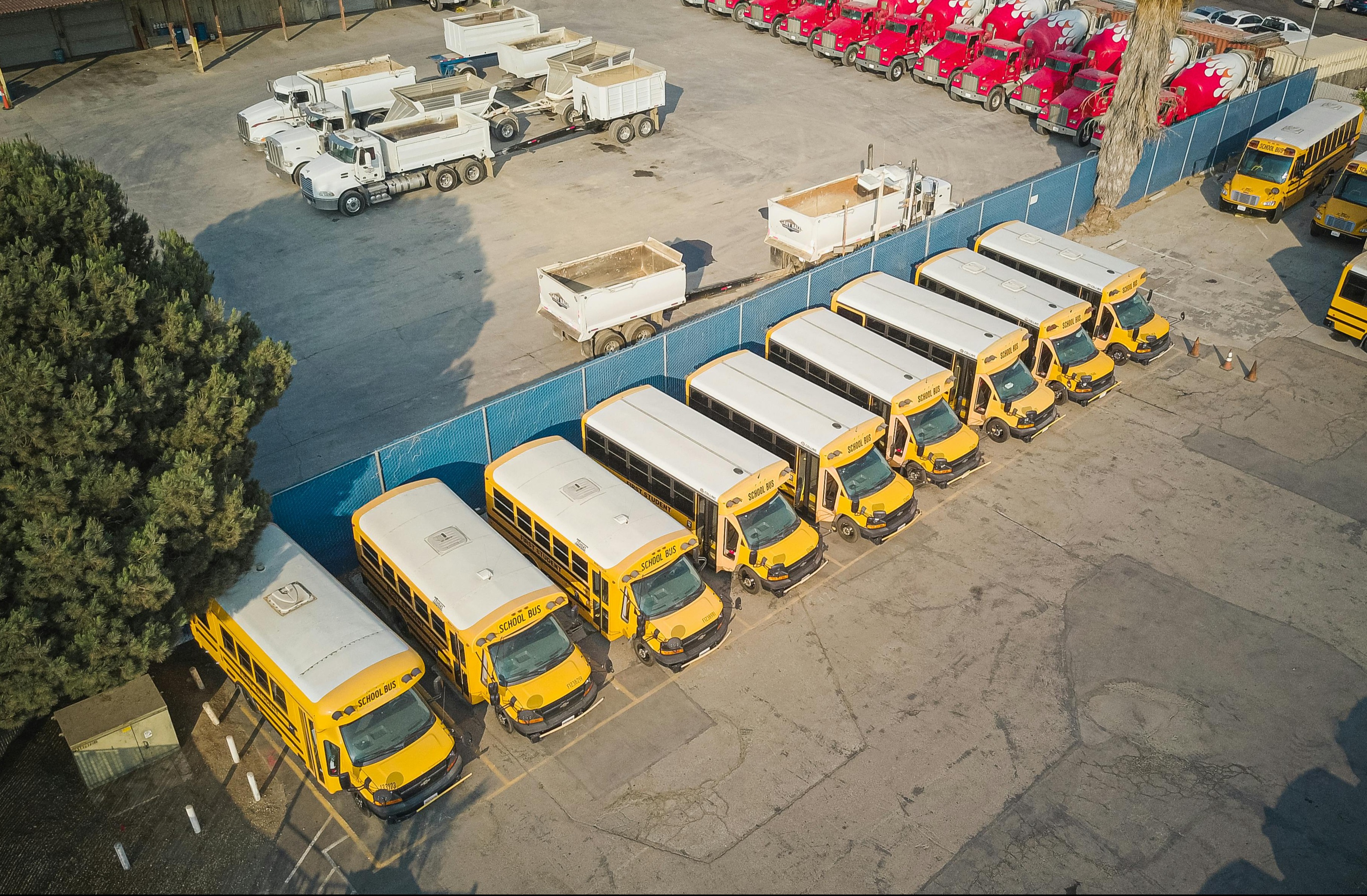
Commercial truck fleet insurance is more than a compliance requirement. It is a financial protection strategy for fleets that operate multiple commercial trucks, trailers, drivers, and routes. For fleet professionals and leaders, the right policy can protect assets, support customer contracts, reduce administrative complexity, and strengthen long-term risk management.
A strong fleet insurance strategy should answer three questions. What coverage does the business need? What risks are driving cost? What operational controls can prove the fleet is managing safety, maintenance, and claims exposure?
What Is Commercial Truck Fleet Insurance?
Commercial truck fleet insurance covers businesses that operate multiple trucks for commercial use. It usually combines several vehicles under one commercial fleet insurance policy instead of insuring each truck separately.
This differs from general fleet vehicle insurance, which may apply to cars, vans, pickups, service vehicles, and mixed business fleets. Commercial truck fleet insurance is more specialized because trucking creates higher liability, cargo, equipment, and regulatory exposure.
Fleets that may need this coverage include for-hire carriers, private carriers, distributors, construction fleets, delivery companies, logistics providers, and businesses hauling goods with owned, leased, or rented trucks.
Why Fleet Insurance Matters
For fleet leaders, insurance affects more than premium spend. It influences operating authority, contract readiness, customer trust, asset protection, and financial resilience after a serious claim.
Federal requirements may also apply. FMCSA states that certain entities applying for operating authority must meet insurance requirements under 49 CFR Part 387, and operating authority will not be granted until minimum financial responsibility is in effect.
Still, minimum requirements should not be treated as the default target. A fleet hauling high-value cargo across state lines may need a different structure than a local vocational fleet. The right limit depends on exposure, contracts, cargo, routes, vehicle values, and balance sheet risk.
What Does Commercial Truck Fleet Insurance Cover?
Most fleet insurance programs start with primary liability coverage. This helps cover bodily injury and property damage when a covered driver is responsible for an accident.
Physical damage coverage protects the fleet’s own trucks. Collision coverage applies after crashes, while comprehensive coverage may apply to theft, vandalism, fire, weather damage, or other covered losses.
Motor truck cargo coverage protects goods being transported, subject to limits and exclusions. This is critical for carriers hauling customer property, refrigerated goods, specialized cargo, or high-value loads.
Fleet leaders should also evaluate hired and non-owned auto coverage. This can apply when the business rents, leases, borrows, or uses vehicles it does not own.
Trailer interchange or non-owned trailer coverage may be needed when a fleet pulls trailers owned by another party. Umbrella or excess liability coverage can provide additional protection above the underlying commercial auto policy.
How to Choose the Right Commercial Fleet Insurance Policy
The best commercial fleet insurance policy should match the fleet’s real operating model. Leaders should compare policies based on coverage, exclusions, limits, filings, deductibles, cargo terms, claims support, and certificate turnaround.
Do not compare quotes only by premium. A cheaper quote may include restrictive radius limits, cargo exclusions, driver exclusions, weak claims service, or lower physical damage protection.
Fleet leaders should also work with brokers and carriers that understand trucking. Trucking claims can involve cargo recovery, towing, downtime, regulatory filings, multiple parties, and complex liability disputes.
Insurance and Risk Platforms for Commercial Truck Fleets
The following platforms are commonly used to support commercial truck fleet insurance strategy, driver risk management, underwriting visibility, and safety improvement initiatives.
Nirvana Insurance
Nirvana Insurance is an AI-driven commercial trucking insurance platform that uses telematics and real-time operational data to support underwriting and fleet risk evaluation.
It is best for fleets looking for modern commercial truck fleet insurance solutions that connect safety performance directly to pricing and risk assessment.
The platform focuses heavily on:
- Real-time fleet visibility
- Driver behavior analysis
- Risk scoring
- Claims reduction
- Safety-informed underwriting
The watchout is data quality. Fleets need consistent telematics data and operational discipline to fully benefit from usage-based insurance models.
Cover Whale
Cover Whale specializes in commercial trucking insurance for small and midsize fleets as well as owner-operators.
The platform combines fleet insurance with telematics-based underwriting designed to evaluate operational risk more dynamically than traditional insurance models.
It is best for fleets that want:
- Faster quoting workflows
- Flexible underwriting
- Digital insurance management
- Safety-focused insurance programs
The watchout is operational consistency. Fleets with poor safety documentation or inconsistent driver oversight may not fully benefit from performance-based underwriting opportunities.
HDVI (High Definition Vehicle Insurance)
HDVI focuses on telematics-powered commercial fleet insurance built specifically for trucking operations.
The platform connects driver and vehicle data with insurance pricing and safety improvement programs, helping fleets better understand risk trends across operations.
It is best for fleets that want:
- Safety-based pricing models
- Driver performance insights
- Claims reduction support
- Integrated risk visibility
The watchout is adoption discipline. Safety programs only improve insurance outcomes when managers consistently review data and coach drivers using documented processes.
SambaSafety
SambaSafety focuses on driver risk monitoring, MVR management, and fleet safety oversight.
Unlike traditional fleet vehicle insurance providers, SambaSafety helps fleets strengthen insurability by improving driver qualification monitoring and ongoing risk management.
It is best for fleets that need:
- Driver risk scoring
- Continuous MVR monitoring
- Compliance visibility
- Safety documentation support
- Underwriting readiness
The watchout is workflow integration. Fleets should establish clear processes for reviewing alerts, documenting corrective action, and connecting safety oversight with insurance renewal preparation.
How Technology Supports Fleet Insurance Strategy
Technology does not replace commercial truck fleet insurance. It helps fleets prove they are actively managing risk.
For insurers and underwriters, strong operational visibility can support:
- Better renewal conversations
- Improved underwriting confidence
- Stronger safety narratives
- Reduced claims exposure
- More accurate pricing models
The strongest fleets combine:
- Fleet insurance coverage
- Driver coaching
- Maintenance discipline
- Risk monitoring
- Safety documentation
- Telematics visibility
Together, these systems help create a more defensible and resilient commercial fleet insurance strategy.
How to Lower Insurance Costs Without Adding Risk
The most sustainable way to control fleet insurance costs is to reduce preventable risk. That starts with driver hiring standards, MVR checks, onboarding, road tests, safety policies, coaching, and accident review.
Maintenance discipline is equally important. Fleets should document inspections, preventive maintenance, repairs, brake issues, tire issues, and out-of-service trends.
Before renewal, leaders should prepare updated driver rosters, vehicle schedules, loss runs, safety program summaries, telematics reports, maintenance records, and corrective action notes. These materials help underwriters see how the fleet manages risk, not just how many claims it has.
Final Takeaway
Commercial truck fleet insurance should be managed as a leadership strategy, not a once-a-year purchase. The right policy protects the business, supports compliance, and gives customers confidence.
The strongest fleets pair coverage with operational discipline. They use fleet insurance, safety data, maintenance records, and coaching programs together. That combination gives leaders a better chance to control costs while protecting drivers, assets, cargo, and the company’s future.