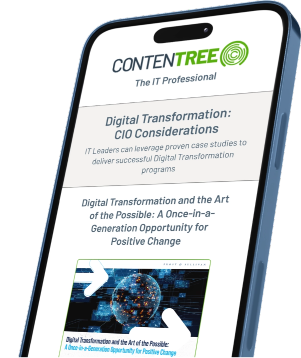
Enterprise Content Management (ECM) tools enable organizations to manage, store, and deliver content, documents, and records efficiently. By providing solutions for content capture, collaboration, and security, ECM tools streamline workflows, improve regulatory compliance, and support digital transformation.
Types of ECM Tools
- Document Management Systems (DMS): DMS focuses on creating, storing, and managing documents in digital formats. These systems offer features like version control, document retrieval, indexing, and search capabilities. DMS is essential for organizations looking to streamline document workflows, eliminate paper-based processes, and ensure compliance with regulatory requirements.
- Records Management: Records management systems help businesses securely store and manage legally significant records, such as contracts, financial documents, and historical records. These solutions ensure that critical records are retained, categorized, and disposed of according to legal and regulatory guidelines.
- Web Content Management (WCM): WCM solutions focus on managing the creation, editing, and delivery of web content. These systems allow businesses to publish and manage digital content, including blogs, product pages, and multimedia, while ensuring consistency, compliance, and user engagement across digital channels.
- Digital Asset Management (DAM): DAM systems focus on storing, organizing, and distributing rich media assets, such as images, videos, and graphics. These solutions are vital for companies that deal with high volumes of unstructured content and need to ensure proper usage, licensing, and version control.
- Collaboration and Workflow Solutions: ECM solutions often integrate collaboration and workflow management tools, enabling teams to work together on documents and tasks in real-time. These features streamline business processes by automating tasks, approvals, and document routing across departments.
Key Features to Look For
- Version Control and Document Tracking: Look for ECM solutions that offer robust version control and document tracking capabilities. This ensures that all changes to documents are tracked, previous versions are stored, and users have access to the most recent and relevant information.
- Search and Retrieval: Efficient search capabilities are crucial in ECM systems. Advanced search functionality, such as full-text search, metadata tagging, and filters, enables quick retrieval of documents, reducing the time needed to find crucial paper documents.
- Compliance and Security Features: Ensure the ECM solution offers strong security measures, such as encryption, role-based access controls, and audit trails. Compliance features are equally important, particularly if your organization is subject to regulations such as GDPR, HIPAA, or SOX.
- Scalability: As your business grows, so will your content. Ensure the ECM solution can scale with your organization, handling increased content volumes, more users, and expanded workflows without compromising performance or security.
- Integration with Existing Systems: Choose an ECM solution that integrates seamlessly with your existing business systems, such as CRM, ERP, and email platforms. Integration simplifies content workflows, enhances collaboration, and ensures data consistency across platforms.
- Mobile Access and Collaboration: Organizations should choose an ECM solution that offers mobile access and collaboration features. Users should be able to access, edit, and collaborate on stored documents from any device, ensuring productivity on the go.
- Retention Policies and Archiving: ECM systems should allow you to define retention policies for different types of content, ensuring that documents are archived or disposed of according to legal and business requirements. This feature is essential for compliance and efficient data management.
How to Evaluate ECM Solutions and Vendors
- Assess User Interface and Usability: Look for an ECM solution with a user-friendly interface that minimizes the learning curve. The system should offer intuitive navigation, drag-and-drop functionality, and easy access to documents and workflows, enhancing overall user adoption.
- Evaluate Vendor’s Industry Expertise and Support: Choose vendors with a proven track record in your industry and a deep understanding of your regulatory environment. Evaluate their support offerings, including training, implementation services, and ongoing customer support to ensure smooth deployment and operation.
- Analyze Customization and Workflow Automation: Customization is key when it comes to ECM solutions. Ensure the platform allows you to customize workflows, document templates, and approval processes to match your business needs. Workflow automation features will streamline repetitive tasks and improve operational efficiency.
- Consider Total Cost of Ownership (TCO): Evaluate both upfront costs and ongoing expenses, such as maintenance, upgrades, and user licenses. Ensure that the TCO aligns with your organization’s budget while delivering the necessary features and long-term benefits.
- Test Integration Capabilities: Check if the ECM solution integrates well with other essential tools your organization uses, such as CRM, ERP, and cloud storage solutions. Seamless integration ensures smoother data exchange and improves collaboration across departments.
- Review Data Security and Compliance: Ensure the ECM solution complies with relevant industry regulations and offers strong data security measures. The system should provide encryption, multi-factor authentication, secure document sharing, and detailed audit logs to track user activity.
ECM Research Insights
Popular Topics of Interest
- AI-Powered Document Management: Learn how artificial intelligence is being integrated into ECM systems to automate document classification, metadata tagging, and content recommendations, improving efficiency and reducing manual work.
- Cloud-Based ECM Solutions: Discover the benefits of moving ECM to the cloud, such as enhanced scalability, remote access, and lower infrastructure costs. Cloud-based ECM also improves collaboration, as users can access captured and stored documents from anywhere.
- ECM for Compliance and Risk Management: With increasing regulations, ECM solutions are becoming critical for compliance and risk management. Explore how businesses are leveraging ECM to ensure legal and regulatory compliance while reducing operational risks.
- Content Analytics and Insights: Understand how content analytics tools are transforming ECM by providing insights into content usage, user behavior, and document performance. Content analytics helps businesses make data-driven decisions to improve their document strategies.
- ECM and Digital Transformation: Discover how ECM systems are a key component of digital transformation initiatives, helping organizations streamline workflows, enhance collaboration, and improve customer experiences by delivering the right information at the right time.
Recommended Resources
Based on recent engagement within the Contentree community, here are the most popular resources to help grow your understanding of ECM solutions:
Fast-Tracking Workflow with ECM
This case study showcases how Planet Pharmacies streamlined their business processes using Contentverse ECM, resulting in faster workflows and enhanced document management. Discover how they optimized efficiency while ensuring compliance.
Extending ECM for HR Success
Learn how OpenText Extended ECM for SAP SuccessFactors empowered organizations to enhance their HR processes. This white paper delves into how integrating ECM with SAP solutions improves content management, accessibility, and compliance in HR functions.
From ECM to Content Services: A Modern Strategy
This case study explores the transition from traditional ECM to modern content management solutions in the workplace. It provides insights into how businesses are leveraging content services to support digital transformation and improve collaboration across departments.
A Final Word on ECM Tools
Choosing an ECM software is just as crucial as the strategies, methods, and tools you use to manage your organization's content. A well-chosen enterprise content management system will streamline operations, improve data accessibility, and provide long-term value across the enterprise.