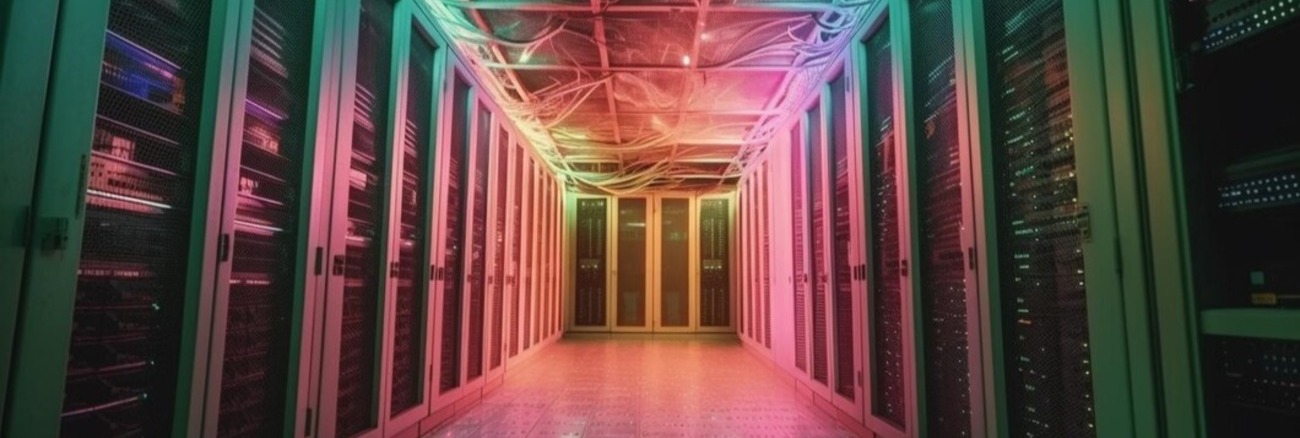
Edge data centers play a pivotal role in ensuring applications and services are delivered at optimal speeds. These centers help process data locally to produce a seamless user experience regardless of how many devices are connected or how much service demand exists.
Due to its importance, edge data centers must always be maintained and optimized for maximum performance. In this blog, we will discuss a few strategies that can be implemented to take better care of edge data centers.
1. Focus on Resiliency.
Resiliency in business involves adapting to both gradual changes and sudden disruptions. This may include transforming culture, workplaces, and workflows by investing in modern tools and technology.
So, what kinds of technologies and solutions can help improve the resiliency of an edge data center? Installing uninterruptible power supply (UPS) solutions is an excellent start. UPS systems are vital in ensuring that data centers are always online, especially in critical data processing periods. Moreover, many places do not have generators or backup utilities available, making UPS solutions even more important in preventing unwanted downtimes.
Similarly, air conditioning is an essential consideration for data centers looking to reduce latency and boost performance. It's not uncommon for servers to overheat, which can lead to unplanned interruptions, server slowdowns, and, ultimately, loss of important and sensitive data. Investing in high-quality air conditioning systems, specifically, units customized to your edge data center’s processing requirements, can go a long way toward maintaining optimal server operations.
For example, if your data center is located closer to extreme environments, an air-conditioning system that can withstand varying temperatures and environmental factors is ideal. If you're working with limited space, air-cooling units with adjustable humidification settings are ideal.
2. Invest in Edge Security.
Regardless of which type of edge data your center is processing, there will always be a need for robust security measures. Edge data centers utilize high volumes of computing resources daily, which require well-defined cyber and physical security strategies. The ideal approach to data center security relies on multiple components, from the latest technology tools and standardized practices to creative mitigation plans that can be easily and swiftly executed if necessary.
When choosing security solutions, it's recommended to find products that address multiple points of attack to minimize the possibility of breaches. Security systems that offer 24/7 monitoring is necessary to ensure any suspicious activity is detected and promptly addressed.
Multi-factor authentication (MFA) is another strong security feature that organizations can consider to limit who can access business servers and systems. Implementing security solutions close to end users is a good way to encourage them to be careful in safeguarding both their data and the company's resources.
3. Consider Sustainable Edge Computing Practices.
It's no secret that the world needs a significant reduction in carbon emissions. Unfortunately, these emissions only grow as businesses develop and IT environments expand. Finding a way to scale operations without adding to the harmful effects on the environment should be every organization's highest priority, and several governments are already pushing for manufacturing plants and data centers to minimize their environmental footprint.
While there's no single solution that can address this issue, there are plenty of options that businesses can take to start on the right path. For starters, they can prioritize equipment built with recyclable materials to be more power-efficient while lasting for longer lifecycles. Switching to remote operations can also help reduce emissions by decreasing the deployment of vehicles.
A Final Word on Optimizing Edge Data Centers
Optimizing edge data centers allows businesses to improve performance and reduce costs while helping conserve the environment. Depending on your needs, you can focus on improving hardware, software, power systems, or cooling solutions.
When upgrading your infrastructure, it is best to look for environment-friendly solutions. Because these systems require fewer resources to run, they can lead to greater financial returns and better scalability due to lower maintenance costs. By investing in modern technologies and facilities, organizations can achieve similar or better results while being more energy-efficient.