- Introduction to Elevator Systems in Commercial Buildings
- What Is an Elevator System?
- Why Elevator Systems Matter for Building Managers
- Key Challenges in Managing Commercial Elevator Systems
- What Is an Elevator Access Control System?
- How to Evaluate Elevator Systems for Commercial Buildings
- Leading Elevator System Providers for Commercial Buildings
- Elevator Access Control System Providers
- Best Practices for Implementing Elevator Systems
- Future Trends in Elevator Systems
- Conclusion: Strategic Elevator System Decisions for Modern Buildings
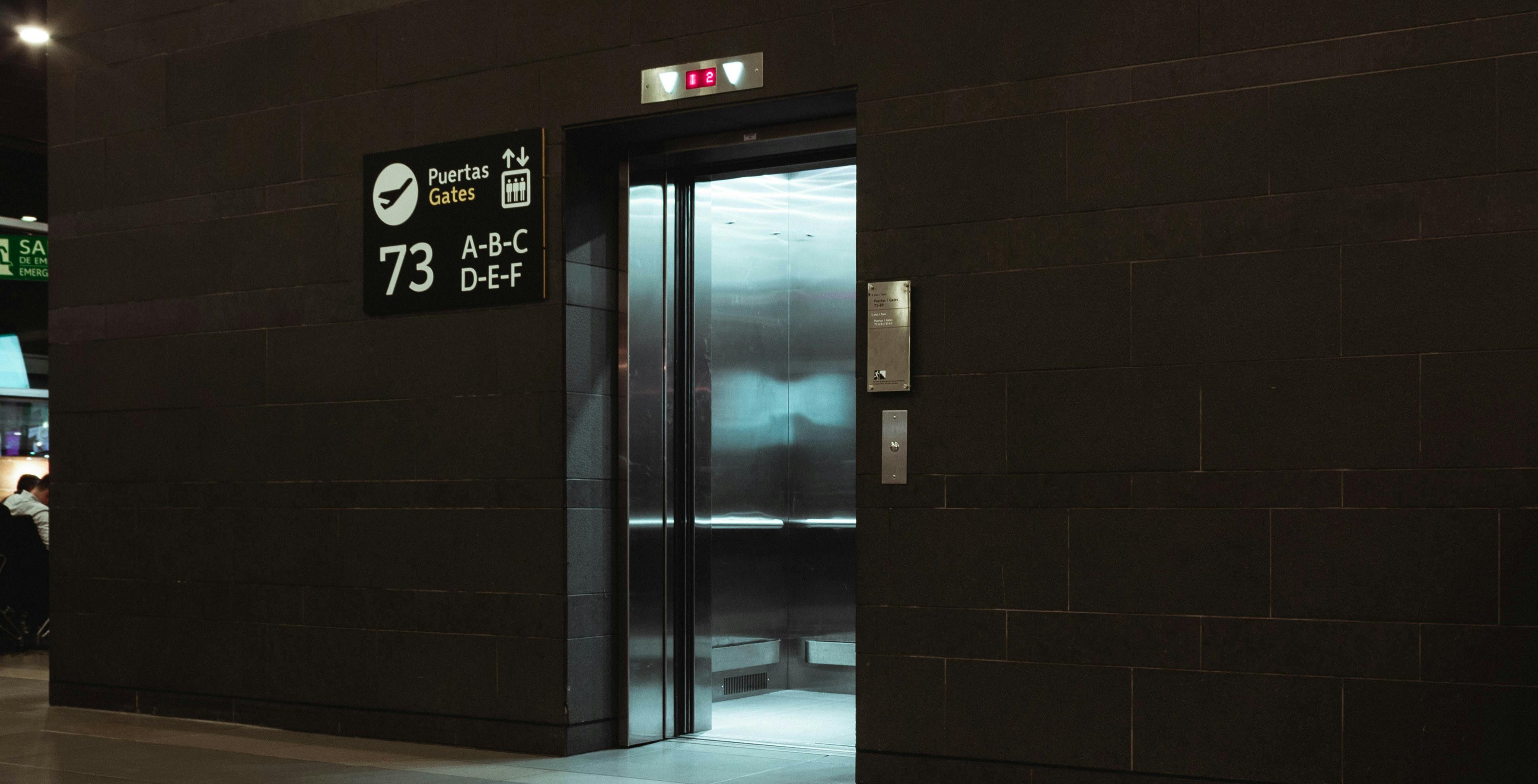
Elevator systems are no longer just vertical transport. For building managers and leaders, they are a core part of operational efficiency, tenant satisfaction, and building security. In modern commercial environments, the right elevator system can influence everything from energy costs to workplace experience.
This guide explores how elevator systems work, why they matter, and how to evaluate the right solution, including the growing role of elevator access control systems.
Introduction to Elevator Systems in Commercial Buildings
In commercial properties, elevator systems are critical infrastructure. Office towers, mixed-use developments, and large facilities rely on them to maintain smooth daily operations. Poor performance leads to delays, tenant complaints, and even safety concerns.
For building managers, elevators are not just mechanical assets. They are part of a broader ecosystem that includes security, energy management, and tenant experience.
What Is an Elevator System?
An elevator system is a combination of mechanical, electrical, and digital components that move people or goods between floors. Modern systems go beyond basic transport. They include intelligent controls, predictive maintenance, and integration with other building systems.
Core Components of Elevator Systems
Every elevator system includes several key elements:
- Cab and hoistway, where movement occurs
- Motor and drive system, which powers vertical travel
- Control system, which manages routing and efficiency
- Safety systems, including brakes and emergency features
Understanding these components helps building managers assess performance issues and upgrade needs.
Types of Commercial Elevator Systems
Commercial elevator systems typically fall into a few categories:
- Traction elevators, common in high-rise buildings due to speed and efficiency
- Hydraulic elevators, often used in low-rise buildings for cost efficiency
- Machine-room-less (MRL) elevators, which save space and improve energy use
- Smart elevators, which use AI and data to optimize traffic flow
Each type serves a different operational context, so selection should align with building size and usage.
Why Elevator Systems Matter for Building Managers
Elevator performance directly impacts building operations and tenant perception.
Tenant Experience and Accessibility
Long wait times and frequent breakdowns frustrate tenants. In high-traffic buildings, efficient elevator systems improve daily flow and accessibility for all occupants.
Operational Efficiency and Energy Use
Elevators consume significant energy, especially in large buildings. Modern systems with regenerative drives and smart controls can reduce consumption and lower operating costs.
Safety, Compliance, and Risk Management
Elevators are heavily regulated. Building managers must ensure compliance with safety standards and maintain systems to avoid liability. Preventive maintenance is essential.
Key Challenges in Managing Commercial Elevator Systems
Even well-designed systems present ongoing challenges.
Aging Infrastructure and Modernization Needs
Many buildings operate with outdated elevator systems. These systems are less efficient and more prone to failure. Modernization can improve performance without full replacement.
Downtime and Maintenance Costs
Unexpected breakdowns disrupt operations. Maintenance costs can escalate if systems are not proactively managed.
Integration with Building Systems
Modern buildings rely on connected systems. Integrating elevators with security and access control adds complexity but delivers greater control and efficiency.
What Is an Elevator Access Control System?
An elevator access control system restricts and manages who can access specific floors. It is a key component of secure commercial environments.
How Elevator Access Control Works
These systems use credentials such as keycards, mobile apps, or biometrics. Users are granted access to specific floors based on permissions. The system integrates with building security platforms.
Benefits for Commercial Properties
- Enhanced security by limiting floor access
- Improved tenant customization for different organizations
- Better traffic management during peak hours
For building managers, this adds a layer of control without increasing staffing needs.
How to Evaluate Elevator Systems for Commercial Buildings
Choosing the right elevator system requires a structured approach.
- Performance and Capacity Requirements: Evaluate building height, occupancy, and peak traffic patterns. High-rise buildings require faster, more advanced systems.
- Integration with Access Control and Security: Ensure compatibility with existing building systems. Elevator access control systems should integrate seamlessly with security infrastructure.
- Maintenance, Support, and Lifecycle Costs: Initial cost is only part of the equation. Consider long-term maintenance, service contracts, and upgrade paths.
- Scalability and Smart Technology Capabilities: Future-ready systems support IoT, predictive maintenance, and data analytics. These features help optimize performance over time.
Leading Elevator System Providers for Commercial Buildings
Otis Elevator Company
Otis is one of the most established names in elevator systems. It offers a wide range of solutions, including advanced dispatching systems and digital monitoring platforms. Its global presence makes it a reliable choice for large commercial portfolios. This is best for organizations managing high-rise or complex properties that need proven reliability at scale. One downside is the higher cost and longer implementation timelines.
KONE
KONE focuses on energy efficiency and smart building integration. Its systems include advanced destination control and eco-efficient technologies. The company is known for innovation in user experience and sustainability. This is best for buildings prioritizing green certifications and modern tenant experiences. One downside is that customization and advanced features can increase total cost.
Schindler
Schindler specializes in high-performance systems for busy environments. Its transit management technology helps optimize traffic flow in large buildings. It also offers strong maintenance support globally. This is best for high-traffic commercial buildings such as office towers and mixed-use developments. One downside is the need for specialized maintenance expertise.
TK Elevator (Thyssenkrupp)
TK Elevator is known for innovation, including its MULTI rope-less system and digital service platforms. It emphasizes future-ready technology and advanced engineering. This is best for forward-looking buildings that want to differentiate through innovation. One downside is the higher upfront investment and potential complexity of newer systems.
Elevator Access Control System Providers
Honeywell
Honeywell offers integrated building management and security systems. Its elevator access control capabilities are part of a broader ecosystem. This allows seamless integration across multiple building functions. This is best for enterprises that want a unified platform for security and operations. One downside is the complexity of setup and configuration.
Johnson Controls
Johnson Controls provides smart building solutions with strong analytics capabilities. Its systems integrate elevator access with broader building intelligence platforms. This enables data-driven decision making. This is best for organizations focused on operational insights and efficiency. One downside is the need for experienced integration support.
Kisi
Kisi delivers cloud-based access control with a modern interface. It supports mobile credentials and flexible integrations, including elevator systems. Its simplicity appeals to tech-forward workplaces. This is best for flexible office environments and companies adopting hybrid work models. One downside is that it may not meet the needs of highly regulated industries.
Best Practices for Implementing Elevator Systems
- Conducting a Building Needs Assessment: Start by analyzing building size, tenant profiles, and usage patterns. This ensures the system aligns with real operational needs.
- Planning for Integration Early: Integration should not be an afterthought. Align elevator systems with access control and security from the start.
- Prioritizing Preventive Maintenance: Regular maintenance reduces downtime and extends system lifespan. Predictive tools can further improve reliability.
Future Trends in Elevator Systems
- Smart Elevators and AI-Based Traffic Management: AI-driven systems analyze usage patterns and optimize routing. This reduces wait times and improves efficiency.
- Touchless and Mobile Access Control: Demand for contactless solutions continues to grow. Mobile-based elevator access control systems enhance both safety and convenience.
- Sustainability and Energy Efficiency Innovations: New technologies focus on reducing energy consumption. Regenerative drives and lightweight materials support sustainability goals.
Conclusion: Strategic Elevator System Decisions for Modern Buildings
Elevator systems are a strategic investment for commercial buildings. They influence tenant experience, operational efficiency, and long-term costs.
For building managers and leaders, the focus should be on aligning elevator systems with broader building goals. This includes integration with access control, scalability, and future-ready technology.
The right approach is not just about choosing a system. It is about building an ecosystem that supports performance, security, and growth over time.