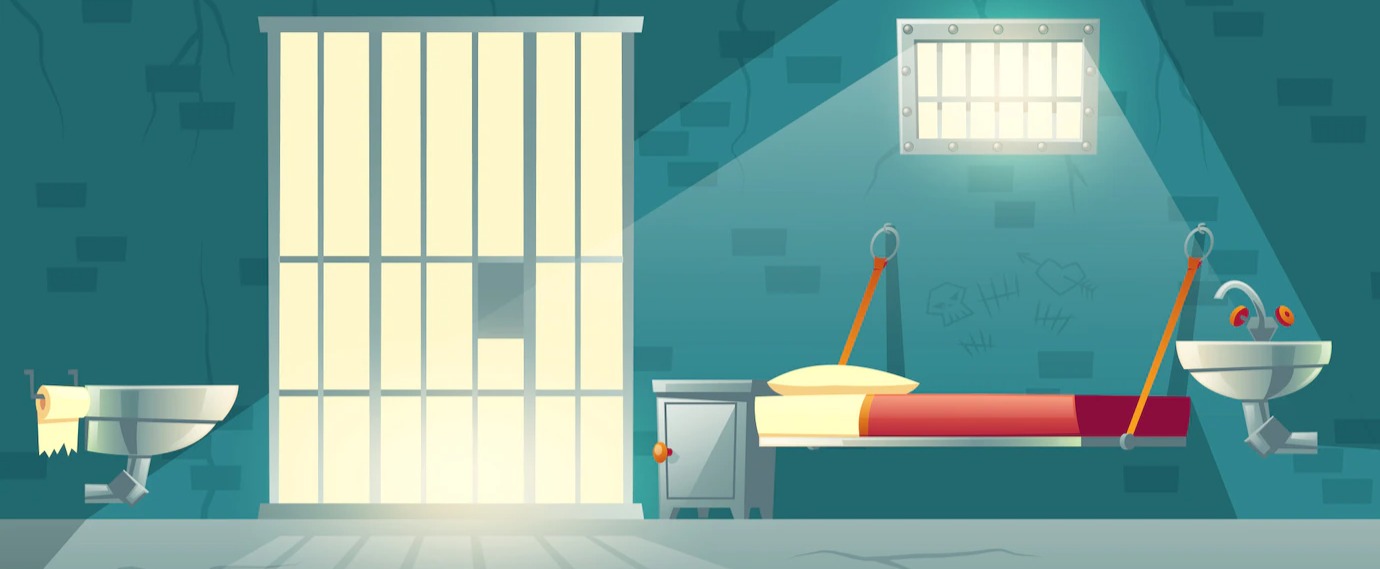
Technology can play a significant role in improving prisons and jails. These facilities are often overlooked, leading to a need for maintenance and added budget for necessary upgrades.
These institutions can benefit from emerging technologies and building redesigns which can help them create a safer and more sustainable environment for the prisoners.
Here are some of the latest innovations that can transform current prison and jail systems:
Video Surveillance
Prisons and jails can utilize video surveillance technologies to monitor the inmates' actions and locations at all times. AI-powered video monitoring systems can detect irregular activities, such as aggressive behavior, to allow guards to step in and prevent potential skirmishes before they occur.
Video systems can also generate activity reports for each prisoner based on facial identification and behavioral and movement analysis. Management can use this information to make better decisions regarding the prisoners' safety and support.
Scanning Solutions
Prison and jail officers rely on physical body searches to uncover concealed weapons and contraband. However, frisking, strip-searching, and body cavity searching can be intrusive and prone to abuse. Using modern scanners can help address this issue.
Full body scanners can provide an accurate image of any concealment in the prisoner's body. This technology is ideal for non-invasive screening in prison entrances and exits. Metal detectors are helpful for facilities that often have issues with metal contrabands.
Improved Facility Design
Architects must get relevant information from correctional researchers to design better facilities. Technology can combine data-driven insights with an architect's creativity to minimize the weaknesses of current prisons and jails.
For instance, all rooms should have minimal corners to avoid blind spots in monitoring systems. These blind spots can present problematic opportunities that can harm officers or prisoners. Instead, architects can use circular designs to improve cell visibility and prisoner and employee safety.
Better Healthcare Systems
Prisons and jails face unique challenges in delivering adequate health services to inmates. While these facilities are legally required to provide healthcare to incarcerated individuals, budget restrictions and safety protocols make it difficult to apply standard practices.
The rise of telehealth programs helps streamline healthcare in correctional facilities by allowing medical professionals to diagnose and monitor inmates without transporting them to hospitals.
Improving the prisoners' living conditions can also reduce anxiety and promote positive thoughts. Simple enhancements such as brighter lighting, better cleaning machines, and more spacious rooms for meditation or relaxation can lead to better physical and mental health.
Inmate Tracking
Biometrics is revolutionizing inmate tracking by reducing the effort and communication necessary to find and monitor inmates inside the facilities.
Fingerprint identification systems, radio frequency identification (RFID) technology, and thermal imaging solutions significantly improve staff efficiency and safety while providing prisoners with more freedom while being monitored closely.
Conclusion
Prisons and jails need the latest technologies to improve operations. Management must systemically identify areas of improvement to understand which innovations must be implemented for the best results.
Technology can ensure that these facilities can provide top-notch security and safety, which is vital in improving the lives of incarcerated people.