- What Is Facility Management in Commercial Buildings
- Why Facility Management Is Strategic for Commercial Property Leaders
- Key Challenges in Modern Facilities Management
- The Role of Facilities Management Software
- Key Capabilities to Look For in Facilities Management Software
- How to Evaluate Facility Management Software
- Leading Facility Management Software for Commercial Buildings
- Implementing Facilities Management Software Successfully
- The Future of Facility Management in Commercial Buildings
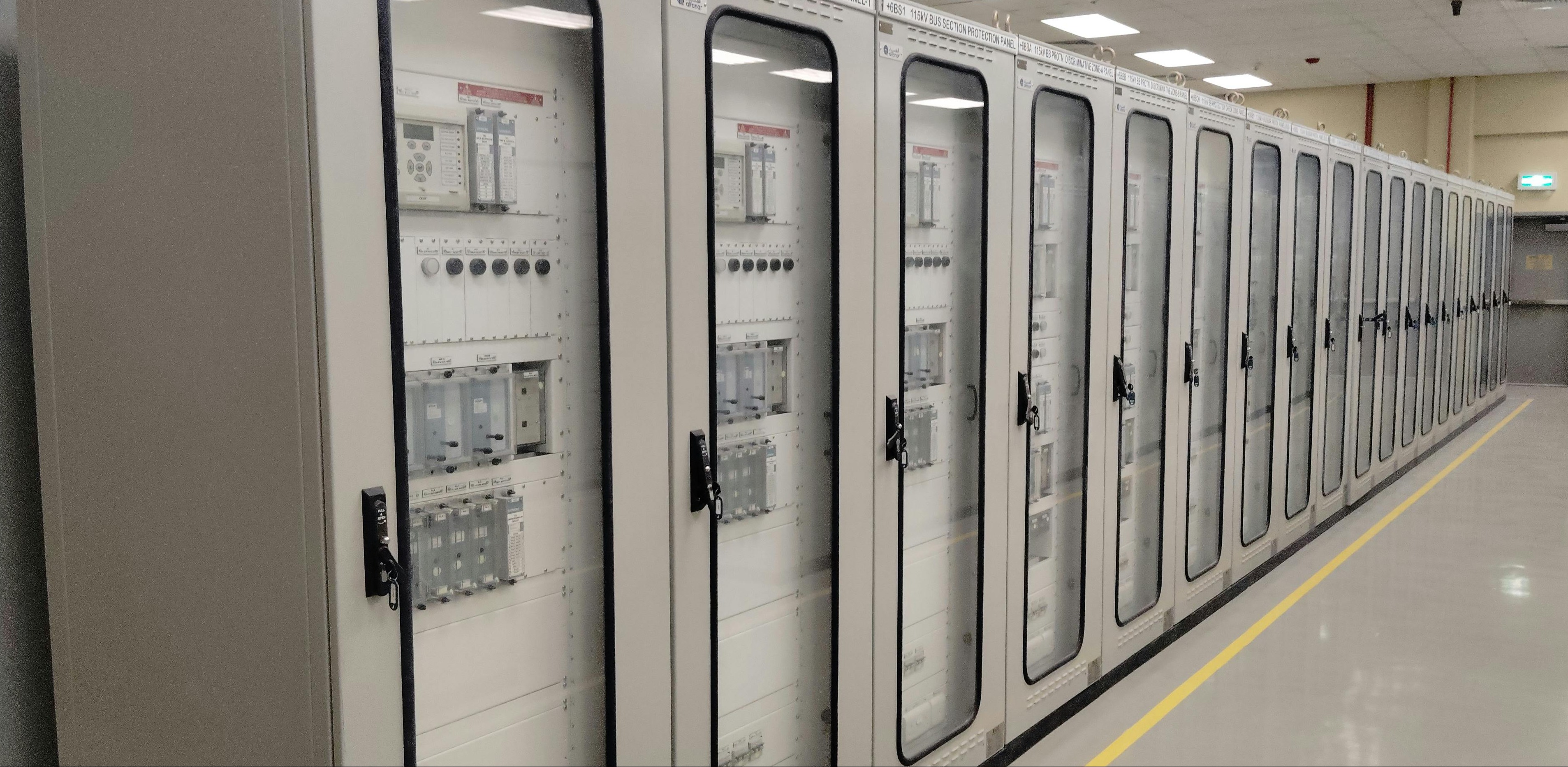
Facility management plays a critical role in the operation of modern commercial buildings. For property owners, building operators, and facilities leaders, the goal is not only to keep buildings functioning but also to improve efficiency, safety, and tenant satisfaction.
Today, facility management involves more than maintenance and repairs. It includes strategic planning, asset lifecycle management, sustainability initiatives, and technology adoption. Many organizations now rely on facility management software platforms to centralize operations and gain better visibility into building performance.
Understanding how facility management works, the challenges involved, and the software tools available helps commercial building leaders manage properties more effectively.
What Is Facility Management in Commercial Buildings
Facility management refers to the coordinated management of buildings, infrastructure, people, and processes to ensure facilities operate efficiently and safely.
In commercial real estate, this includes maintaining building systems, managing vendors, tracking assets, and ensuring regulatory compliance. Effective facilities management ensures buildings remain functional while supporting business operations and tenant needs.
Core Responsibilities of Facilities Management
Facilities management teams handle a wide range of operational responsibilities, including:
- Preventive and corrective maintenance
- Asset lifecycle management
- Space and occupancy management
- Vendor and contractor coordination
- Safety and regulatory compliance
- Energy and sustainability initiatives
These responsibilities require coordination across maintenance teams, external vendors, and property management leaders.
Why Facility Management Is Strategic for Commercial Property Leaders
For building owners and operators, facility management directly impacts operational costs and property value.
Well-managed facilities reduce downtime, extend equipment life, and create better experiences for tenants and occupants. Strong facilities management also supports sustainability goals and regulatory compliance, both of which are becoming increasingly important in commercial real estate.
Key Challenges in Modern Facilities Management
Despite its importance, facility management can be complex. Commercial properties often involve many systems, stakeholders, and regulatory requirements.
Managing Aging Infrastructure and Maintenance Costs
Many commercial buildings operate with aging equipment and infrastructure. HVAC systems, elevators, and electrical systems require continuous monitoring and maintenance.
Deferred maintenance can lead to expensive repairs and unexpected equipment failures. Facilities teams must balance cost control with proactive maintenance strategies.
Coordinating Vendors, Staff, and Work Orders
Commercial buildings typically rely on a mix of internal staff and external vendors.
Facilities teams must manage service requests, assign work orders, coordinate contractors, and track completion across multiple systems. Without centralized processes, coordination becomes difficult and response times increase.
Meeting Compliance, Safety, and Sustainability Standards
Building operators must meet strict compliance and safety requirements. These include fire safety regulations, environmental standards, and workplace safety policies.
At the same time, organizations face growing pressure to improve energy efficiency and reduce carbon emissions.
Facilities leaders need reliable systems to track compliance, monitor performance, and document maintenance activities.
The Role of Facilities Management Software
As facility operations grow more complex, many organizations turn to facilities management software to improve efficiency and visibility.
These platforms digitize maintenance operations and centralize facility data.
What Is Facility Management Software
Facility management software is a digital platform that helps organizations manage building operations, maintenance activities, assets, and service requests.
These systems often combine several functions, including:
- Work order management
- Preventive maintenance scheduling
- Asset tracking
- Vendor coordination
- Compliance documentation
- Performance reporting
Many modern platforms also include mobile applications so technicians can manage tasks in the field.
Key Capabilities to Look For in Facilities Management Software
When evaluating facility management software, commercial building leaders should consider several core capabilities.
- Automated work order management
- Preventive maintenance scheduling
- Asset lifecycle tracking
- Mobile access for technicians
- Vendor and contractor management
- Reporting and analytics
These features allow facilities teams to operate more efficiently and reduce operational risk.
How Software Improves Operational Efficiency in Commercial Buildings
Facilities management software improves operational efficiency by centralizing building data and automating routine tasks.
Maintenance teams can track service requests in real time. Managers gain visibility into asset performance and maintenance costs. Automated workflows ensure that maintenance tasks are completed on schedule.
This visibility helps leaders make better decisions about budgeting, maintenance planning, and long-term infrastructure investments.
How to Evaluate Facility Management Software
Selecting the right facilities management platform requires careful evaluation. Building portfolios, operational complexity, and team size all influence software requirements.
Scalability for Large or Multi-Site Buildings
Commercial property operators often manage multiple buildings or large campuses.
Facilities management software should support multi-site operations and centralized reporting. This allows leadership teams to monitor performance across an entire property portfolio.
Integration With Building Systems and Workplace Platforms
Modern buildings rely on a variety of digital systems. These include building management systems, IoT sensors, workplace management tools, and financial platforms.
Facility management software should integrate with these systems to provide a unified operational view.
Reporting and Data Insights for Leadership
Facilities leaders need data to guide strategic decisions.
Strong reporting capabilities help organizations track maintenance costs, asset performance, energy usage, and operational efficiency. These insights support budgeting and long-term infrastructure planning.
Leading Facility Management Software for Commercial Buildings
Several platforms support facilities management teams in commercial real estate and enterprise environments.
IBM Maximo
IBM Maximo is a comprehensive enterprise asset management platform designed for organizations that manage large and complex infrastructure.
The system supports asset lifecycle management, predictive maintenance, and advanced analytics. It is widely used in industries such as manufacturing, utilities, transportation, and large real estate portfolios.
Key features include:
- Advanced asset lifecycle tracking
- Predictive maintenance capabilities
- Integration with IoT and sensor data
- Extensive reporting and analytics
- Enterprise-grade scalability
This platform is best for large enterprises managing extensive assets across many facilities. One downside is that implementation can be complex and costly compared with lighter facility management systems.
FMX
FMX is a facilities management platform designed to simplify work order management and maintenance operations.
The platform focuses on operational visibility and user-friendly workflows, making it accessible for facilities teams that need quick deployment and simple maintenance tracking.
Key features include:
- Work order management
- Preventive maintenance scheduling
- Asset tracking
- Facility request portals
- Reporting dashboards
FMX is best for organizations that want an easy-to-deploy maintenance management system. One limitation is that it may not provide the advanced analytics and enterprise asset management capabilities required by large organizations.
UpKeep
UpKeep is a mobile-first computerized maintenance management system designed for maintenance teams that operate in the field.
The platform prioritizes ease of use and strong mobile functionality, allowing technicians to manage tasks directly from their devices.
Key features include:
- Mobile work order management
- Preventive maintenance scheduling
- Asset and equipment tracking
- Inventory management
- Maintenance analytics
UpKeep is best for maintenance teams that need strong mobile capabilities and simple maintenance workflows. However, organizations managing large real estate portfolios may find it less comprehensive for broader facility portfolio management.
ServiceChannel
ServiceChannel is a facilities management platform focused on vendor and contractor management. It helps organizations manage service providers, track maintenance requests, and standardize facility operations across large portfolios.
Key features include:
- Vendor and contractor management
- Work order automation
- Multi-site facility oversight
- Service provider performance tracking
- Maintenance analytics
ServiceChannel is best for organizations that rely heavily on external vendors to manage facility services across multiple locations. However, it focuses more on vendor coordination than deep asset lifecycle management.
Implementing Facilities Management Software Successfully
Technology alone does not solve facility management challenges. Organizations must also build processes and strategies that support digital operations.
Building a Digital Facilities Management Strategy
Facilities leaders should align technology investments with operational goals. This includes defining maintenance standards, identifying key performance metrics, and ensuring that facility management systems support long-term infrastructure planning.
Change Management for Facilities Teams
Adopting new software requires training and process adjustments. Facilities teams need clear workflows and user training to ensure that technicians, managers, and vendors adopt the platform effectively.
Measuring ROI From Facilities Management Technology
Organizations should measure the impact of facility management software through operational metrics such as:
- Reduced maintenance costs
- Faster work order response times
- Improved asset uptime
- Better regulatory compliance
- Higher tenant satisfaction
Tracking these metrics helps leadership understand the value of digital facility management systems.
The Future of Facility Management in Commercial Buildings
Facility management continues to evolve as buildings become more connected and data-driven.
Smart Buildings and Connected Infrastructure
IoT sensors, building automation systems, and predictive maintenance tools are transforming how facilities teams manage infrastructure.
Smart building technologies allow organizations to monitor equipment performance, detect issues early, and optimize energy usage.
Data-Driven Decision Making for Building Leaders
As more operational data becomes available, facility management will become increasingly analytical.
Leaders will use integrated data platforms to guide maintenance strategies, improve building performance, and support sustainability initiatives.
For commercial building leaders and facilities professionals, investing in the right facility management software and operational strategy is becoming essential. Organizations that combine strong processes with modern facilities management technology will be better positioned to manage complex properties and deliver long-term building performance.