- Understanding Fire and Life Safety in Modern Buildings
- The Role of Technology in Life Safety Systems
- Emergency Management Platforms for Fire and Life Safety
- Facility Management Software That Supports Life Safety Systems
- Incident Management Platforms for Emergency Response
- Leadership and Organizational Responsibility in Fire and Life Safety
- The Future of Fire and Life Safety Technology
- Conclusion
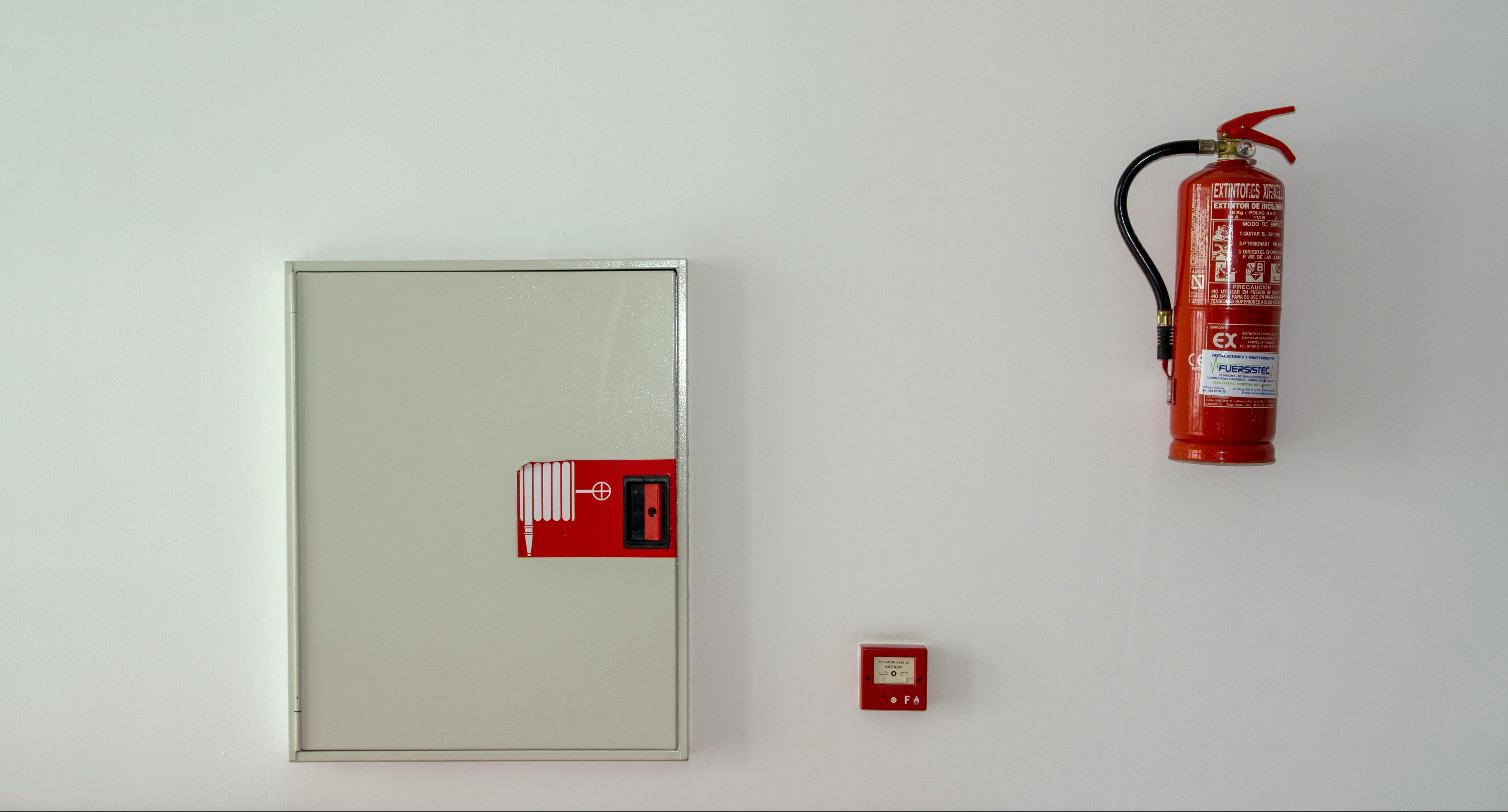
Fire and life safety is a critical responsibility for building professionals, facility managers, and organizational leaders. Whether managing commercial buildings, campuses, hospitals, or industrial facilities, ensuring occupant safety requires careful planning, strict compliance with life safety codes, and reliable emergency response systems.
As buildings become more complex, organizations are increasingly turning to digital tools to strengthen their fire and life safety programs. Modern platforms listed on G2.com, one of the largest software marketplaces for business technology reviews, help organizations manage emergency preparedness, maintain life safety systems, and coordinate response during critical events.
By integrating technology into fire and life safety management, building professionals can improve operational efficiency, ensure regulatory compliance, and ultimately protect lives.
Understanding Fire and Life Safety in Modern Buildings
Fire and life safety refers to the systems, procedures, and strategies designed to protect building occupants from fire, smoke, and other hazards. These protections typically include fire detection systems, suppression equipment, evacuation planning, emergency communication, and compliance with established life safety codes.
Building professionals must ensure that life safety systems are regularly inspected, maintained, and ready to function during emergencies. This responsibility extends to leadership teams and facility management professionals who oversee building operations and safety programs.
Today, technology plays a major role in supporting these responsibilities. Digital platforms can track inspections, coordinate emergency communication, manage incidents, and maintain documentation required for compliance.
The Role of Technology in Life Safety Systems
Modern fire and life safety strategies combine traditional protection systems with digital management platforms. These tools help organizations monitor risks, respond to incidents quickly, and maintain accurate records of safety procedures.
Software solutions designed for emergency management and facility maintenance support several key aspects of life safety management:
- Emergency preparedness planning
- Incident coordination and response
- Mass communication during emergencies
- Preventive maintenance of safety equipment
- Inspection tracking and compliance documentation
By adopting the right technology, building professionals can strengthen their safety programs while improving operational visibility across facilities.
Emergency Management Platforms for Fire and Life Safety
Emergency management platforms are among the most valuable tools for organizations responsible for life safety. These solutions help teams prepare for emergencies, coordinate response actions, and communicate with building occupants.
Everbridge 360
Everbridge 360 is a critical event management platform widely recognized on G2. It helps organizations detect threats, coordinate emergency responses, and communicate rapidly with employees, tenants, or building occupants.
The platform provides capabilities such as mass notifications, crisis management workflows, and real-time situational awareness. During a fire or emergency evacuation, these tools enable organizations to deliver alerts instantly and guide occupants toward safe evacuation procedures.
For large buildings, campuses, or enterprises with multiple facilities, Everbridge can play a central role in coordinating emergency response efforts.
Regroup Mass Notification
Effective communication is essential during emergencies. Regroup Mass Notification is a platform that allows organizations to send real-time alerts to employees, residents, or visitors across multiple communication channels.
Messages can be delivered through text messages, email, voice calls, and mobile apps, ensuring that occupants receive critical instructions during fire alarms, evacuation events, or other life safety incidents.
Mass notification platforms like Regroup help eliminate communication delays and provide building professionals with a reliable way to deliver life-saving information during emergencies.
Navigate360
Navigate360 is another emergency preparedness platform that supports organizations with safety planning and incident response coordination.
The software includes tools for emergency planning, incident management, threat monitoring, and safety training. By centralizing emergency plans and response workflows, Navigate360 helps safety leaders ensure that teams know exactly what to do when an incident occurs.
For organizations responsible for large facilities, these platforms support a more organized and coordinated emergency response.
Facility Management Software That Supports Life Safety Systems
Maintaining fire and life safety systems is just as important as responding to emergencies. Fire alarms, sprinklers, extinguishers, and emergency lighting systems must be inspected regularly and maintained according to regulatory standards.
Facility management software helps building teams track equipment maintenance, schedule inspections, and document compliance activities.
MaintainX
MaintainX is a facility maintenance platform frequently recommended on G2 for organizations managing complex equipment and assets.
The software allows facility teams to create preventive maintenance schedules, assign work orders, and track inspection results. For fire and life safety systems, this means building professionals can monitor sprinkler maintenance, fire alarm testing, and emergency lighting inspections from a centralized platform.
By maintaining accurate digital records, organizations can also simplify audits and demonstrate compliance with life safety codes.
Coast
**Coast **is another facility maintenance solution designed to streamline maintenance workflows and asset tracking.
For fire and life safety teams, Coast helps organize equipment inventories, schedule recurring inspections, and store documentation related to safety systems. This centralized approach ensures that maintenance teams have visibility into the status of critical safety equipment across the building.
Facility management platforms like Coast are particularly useful for organizations managing multiple facilities or large property portfolios.
Incident Management Platforms for Emergency Response
Some organizations also require specialized incident management tools that help coordinate operations during emergencies.
These platforms are often used by security teams, emergency responders, and crisis management professionals responsible for large facilities or complex operations.
D4H Incident Management
D4H is a widely used incident management platform that helps organizations track emergency events, coordinate response activities, and manage operational resources.
The software allows teams to log incidents, allocate personnel and equipment, and generate reports following an emergency event. These capabilities help organizations evaluate their response efforts and improve preparedness for future incidents.
For organizations responsible for critical infrastructure or high-occupancy facilities, incident management tools provide valuable operational visibility during crises.
Leadership and Organizational Responsibility in Fire and Life Safety
While digital tools play a vital role in modern safety programs, successful fire and life safety management ultimately depends on leadership commitment.
Building owners, executives, and facility managers must prioritize safety by investing in reliable systems, supporting regular training programs, and ensuring compliance with life safety codes.
Leadership also plays a key role in fostering a culture of safety across the organization. Employees and building occupants should be familiar with evacuation procedures, emergency communication systems, and reporting protocols for safety concerns.
Technology can support these efforts, but leadership ensures that safety remains a continuous priority.
The Future of Fire and Life Safety Technology
The future of fire and life safety management will likely involve even deeper integration between building systems and digital platforms.
Smart buildings are increasingly connecting fire alarms, sensors, access control systems, and building automation platforms. These integrated systems can provide real-time data, enabling faster detection of hazards and more efficient emergency response.
Emerging technologies such as artificial intelligence, IoT sensors, and predictive analytics may soon help organizations detect safety risks before incidents occur.
As these innovations continue to evolve, building professionals will have new opportunities to enhance fire and life safety programs while improving operational efficiency.
Conclusion
Fire and life safety remains one of the most important responsibilities in building management. Protecting occupants requires a combination of well-maintained life safety systems, clear emergency procedures, and effective communication during critical events.
Modern digital tools available on G2.com—including platforms such as Everbridge 360, Regroup Mass Notification, Navigate360, MaintainX, Coast, and D4H—help organizations strengthen emergency preparedness and improve operational oversight of safety programs.
By integrating these technologies into their safety strategies, building professionals and organizational leaders can create safer environments, improve compliance with life safety codes, and respond more effectively to emergencies.