- What Is Fleet Compliance and Why It Matters
- The Scope of Fleet Compliance Management
- The Role of Leadership in Fleet Compliance
- Challenges in Managing Fleet Compliance at Scale
- What to Look for in Fleet Compliance Software
- Leading Fleet Compliance Solutions in the Market
- How to Implement Fleet Compliance Software Successfully
- The Future of Fleet Compliance Management
- Final Thoughts: Turning Compliance into a Competitive Advantage
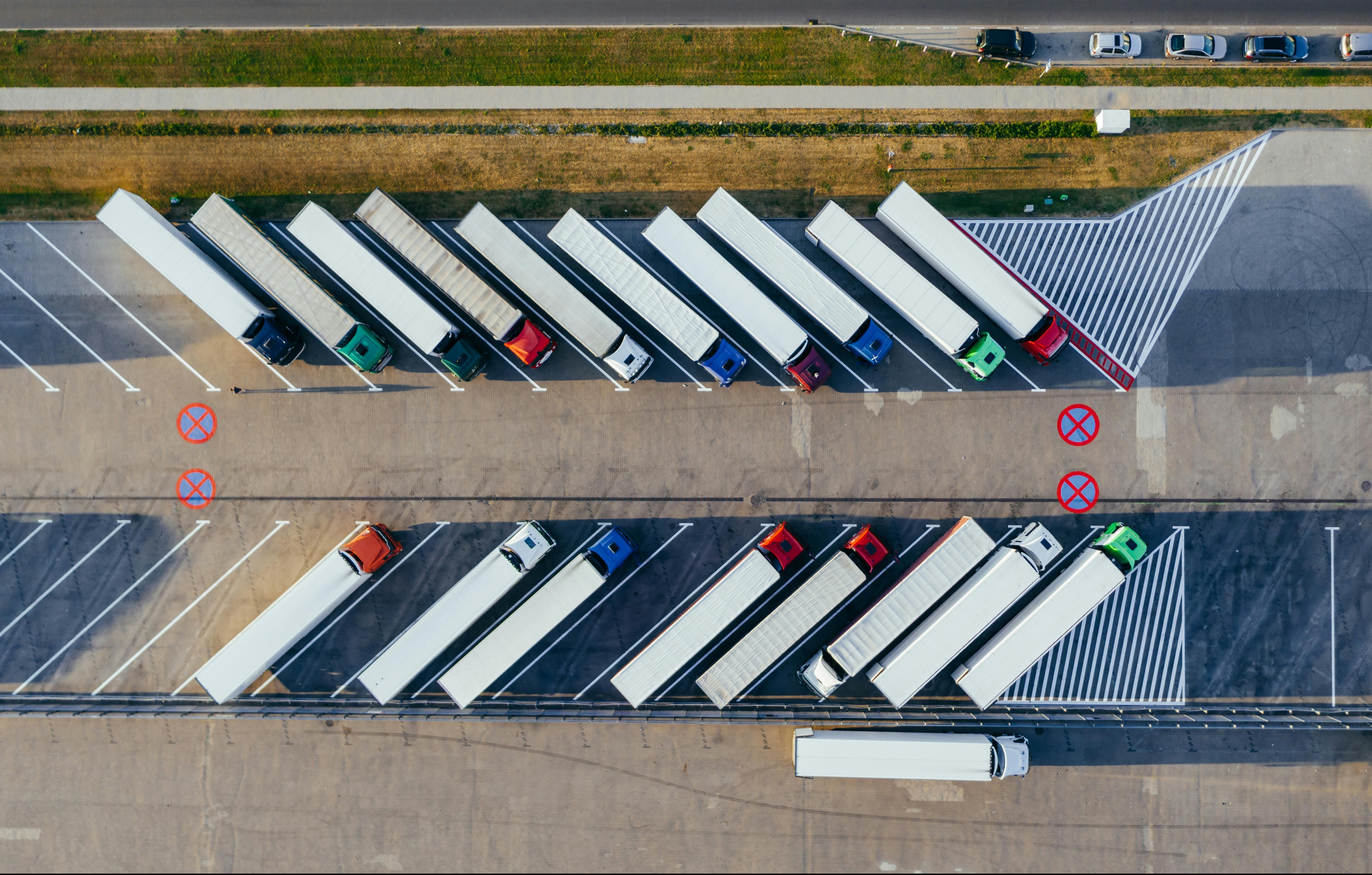
Fleet compliance is no longer just an administrative task. It is a core operational priority for organizations that manage vehicles, drivers, and logistics at scale. As regulations tighten and safety expectations increase, companies must adopt a more structured approach to fleet compliance management. This includes aligning leadership, processes, and technology to reduce risk and improve performance.
This guide explores what fleet compliance means, the challenges organizations face, and how fleet compliance software and solutions can support a more proactive strategy.
What Is Fleet Compliance and Why It Matters
[Fleet compliance](https://www.contentree.com/ebooks/view/fleet-interface-data-advance-your-fleet-management_433315) refers to the processes and systems used to ensure that vehicles, drivers, and operations meet legal, safety, and regulatory standards. This includes everything from driver licensing and training to vehicle inspections and emissions requirements.For organizations, the stakes are high. Non-compliance can lead to fines, legal exposure, and reputational damage. More importantly, it increases the risk of accidents and operational disruption. Strong fleet compliance management helps mitigate these risks while improving efficiency and accountability.
The Scope of Fleet Compliance Management
Fleet compliance management covers multiple areas that must work together seamlessly.
Regulatory Requirements Across Regions
Compliance requirements vary depending on geography and industry. Organizations operating across multiple regions must manage different rules for driver hours, vehicle standards, and environmental regulations. This complexity increases the need for centralized oversight.
Key Compliance Risks for Fleet Operators
Common risks include missed inspections, expired driver certifications, and incomplete documentation. These issues often stem from manual tracking or fragmented systems. Over time, they create gaps that can lead to penalties or safety incidents.
The Role of Leadership in Fleet Compliance
Leadership plays a critical role in shaping compliance outcomes. Organizations that treat compliance as a strategic priority tend to perform better than those that view it as a back-office function.
Building a Culture of Accountability
Leaders must set clear expectations and ensure that compliance is embedded in daily operations. This includes regular training, transparent communication, and performance tracking.
Aligning Compliance with Business Objectives
Fleet compliance supports broader goals such as cost control, safety improvement, and brand protection. When aligned with business strategy, compliance becomes a driver of value rather than a constraint.
Challenges in Managing Fleet Compliance at Scale
As fleets grow, compliance becomes harder to manage without the right systems in place.
Data Silos and Limited Visibility
Many organizations rely on disconnected tools for tracking drivers, vehicles, and compliance data. This makes it difficult to get a complete view of compliance status.
Administrative Burden and Human Error
Manual processes increase workload and introduce risk. Tracking deadlines, maintaining records, and generating reports can overwhelm teams and lead to mistakes.
What to Look for in Fleet Compliance Software
Fleet compliance software helps organizations automate and centralize compliance activities. Choosing the right solution requires a clear understanding of key capabilities.
Automated Compliance Tracking
Effective systems provide real-time alerts for renewals, inspections, and certifications. This reduces the risk of missed deadlines.
Centralized Documentation and Reporting
A single system of record simplifies audits and reporting. It also improves transparency across teams.
Integration with Fleet Management Systems
Fleet compliance software should integrate with telematics, HR systems, and operational tools. This ensures data flows seamlessly across the organization.
Scalability and Customization
As fleets grow, systems must adapt. Flexible solutions allow organizations to customize workflows and scale without disruption.
Leading Fleet Compliance Solutions in the Market
Samsara
Samsara offers an integrated platform that combines fleet management with compliance and safety tools. It provides real-time visibility into vehicles and driver behavior.
Key features include GPS tracking, driver safety monitoring, and automated compliance workflows. This is best for organizations that want a unified platform for fleet management and compliance. One downside is that it may be cost-prohibitive for smaller fleets.
Verizon Connect
Verizon Connect delivers strong compliance tracking alongside advanced fleet monitoring capabilities. It is designed for large-scale operations.
Key features include ELD compliance, maintenance alerts, and detailed reporting tools. This is best for enterprises that require robust compliance reporting. One downside is a steeper learning curve for new users.
Motive (formerly KeepTruckin)
Motive focuses on driver safety and regulatory compliance, particularly in logistics and transportation sectors.
Key features include ELD compliance, AI-powered dashcams, and driver performance tracking. This is best for trucking companies that prioritize safety and compliance. One downside is the reliance on hardware adoption for full functionality.
Fleetio
Fleetio emphasizes maintenance-driven compliance. It helps organizations ensure that vehicles remain roadworthy and compliant.
Key features include maintenance tracking, inspection workflows, and automated reminders. This is best for teams focused on vehicle compliance and maintenance. One downside is less emphasis on driver behavior analytics.
Geotab
Geotab offers a flexible platform with strong analytics and integration capabilities. It supports complex compliance requirements.
Key features include telematics data, compliance reporting, and a wide range of integrations. This is best for organizations that need customizable compliance solutions. One downside is the complexity involved in setup and configuration.
How to Implement Fleet Compliance Software Successfully
- Assess Current Compliance Gaps: Start by evaluating existing processes. Identify where compliance failures occur and what data is missing.
- Train Drivers and Fleet Managers: Adoption is critical. Provide training to ensure that all users understand how to use the system effectively.
- Monitor and Optimize Continuously: Use data insights to improve compliance over time. Regular reviews help identify trends and areas for improvement.
The Future of Fleet Compliance Management
Fleet compliance is becoming more technology-driven. Automation, AI, and predictive analytics are transforming how organizations manage risk. Regulations are also evolving, especially around emissions and safety.
Organizations that invest in modern fleet compliance solutions will be better positioned to adapt to these changes.
Final Thoughts: Turning Compliance into a Competitive Advantage
Fleet compliance is not just about meeting regulations. It is about building safer, more efficient operations. With the right approach to fleet compliance management and the right software, organizations can reduce risk, improve performance, and strengthen their competitive position.
For leadership teams, the focus should be on integrating compliance into broader operational strategy. When done well, compliance becomes a source of resilience and long-term value.