- What Is Fleet Management Digital Transformation?
- Why Fleet Leaders Are Prioritizing Digital Transformation
- Common Barriers to Fleet Management Digital Transformation
- A Framework for Evaluating Digital Fleet Solutions
- Leading Tools Supporting Digital Fleet Transformation
- Building a Roadmap for Digital Business Transformation in Fleet Operations
- The Future of the Digital Fleet
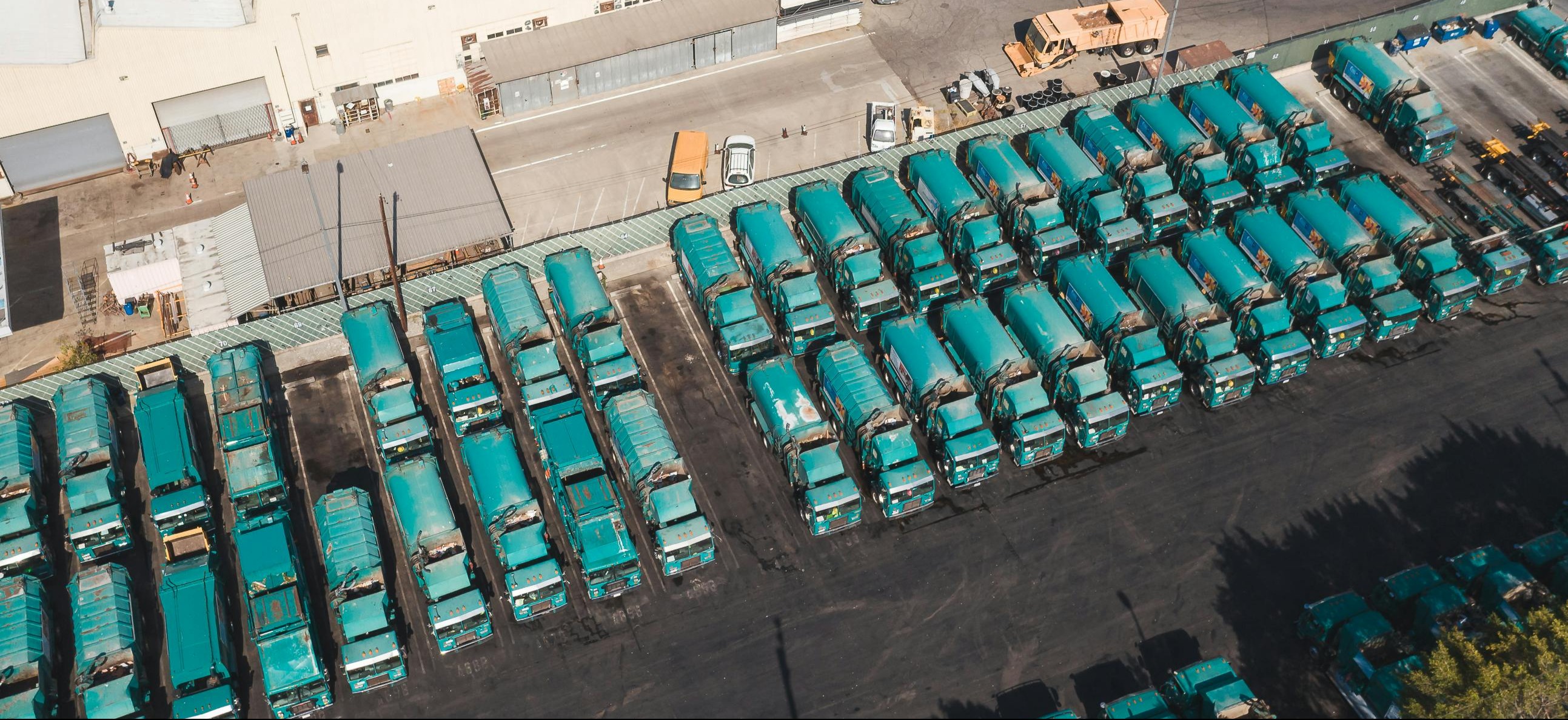
Fleet management digital transformation has moved from a technology initiative to a board level priority. Fleet leaders face rising fuel costs, regulatory complexity, labor shortages, and growing sustainability pressure. Traditional tools and manual workflows cannot keep pace.
A digital fleet strategy allows organizations to improve visibility, reduce risk, and scale operations with confidence. For fleet professionals, the question is no longer whether to invest in digital tools. It is how to approach digital business transformation in a structured and measurable way.
What Is Fleet Management Digital Transformation?
Fleet management digital transformation is the redesign of fleet operations using connected technologies, data platforms, and automation. It goes beyond installing GPS trackers or adopting a single software platform. It involves rethinking workflows, integrating systems, and using data to drive decisions.
From Traditional Fleet Operations to the Digital Fleet
In traditional environments, fleet operations are reactive. Maintenance happens after breakdowns. Route planning relies on experience rather than optimization engines. Compliance reporting is manual and time consuming.
A digital fleet operates differently. Telematics devices stream real time vehicle data. Predictive analytics identify maintenance risks before failures occur. Dispatch systems optimize routes based on traffic and fuel usage. Leaders gain a centralized view of assets, drivers, and costs.
It is important to distinguish between digitization and full digital business transformation. Digitization converts paper processes into digital formats. Digital transformation redesigns the operating model around data and automation. The latter delivers sustainable competitive advantage.
Core Components of a Digital Fleet
A comprehensive digital fleet typically includes:
- Telematics and GPS tracking for real time visibility
- IoT sensors for engine diagnostics and asset monitoring
- Fleet management software for maintenance and lifecycle tracking
- Analytics platforms for reporting and forecasting
- Mobile workforce tools for driver communication and inspections
- Automation for routing, dispatch, and compliance workflows
Each component supports measurable outcomes such as lower fuel spend, reduced downtime, improved safety, and stronger compliance performance.
A comprehensive digital fleet typically includes:
- Telematics and GPS tracking for real time visibility
- IoT sensors for engine diagnostics and asset monitoring
- Fleet management software for maintenance and lifecycle tracking
- Analytics platforms for reporting and forecasting
- Mobile workforce tools for driver communication and inspections
- Automation for routing, dispatch, and compliance workflows
Each component supports measurable outcomes such as lower fuel spend, reduced downtime, improved safety, and stronger compliance performance.
Why Fleet Leaders Are Prioritizing Digital Transformation
Fleet leaders are under pressure to operate more efficiently while reducing risk. Digital fleet initiatives address multiple strategic priorities at once.
Cost Control and Operational Efficiency
Fuel remains one of the largest operating expenses. Digital route optimization reduces unnecessary mileage and idle time. Telematics data helps identify aggressive driving behaviors that increase fuel consumption.
Predictive maintenance reduces unplanned downtime. Asset utilization tracking highlights underused vehicles that can be reassigned or retired. Over time, these improvements significantly reduce total cost of ownership.
Compliance, Safety, and Risk Reduction
Regulatory requirements continue to expand. Electronic logging devices, driver qualification tracking, and inspection documentation require consistent oversight.
Digital fleet systems automate much of this process. Real time alerts notify managers of violations or risky driving behavior. Dash cams provide objective evidence in the event of accidents. Centralized reporting simplifies audits and reduces administrative burden.
Sustainability and Electrification
Sustainability goals are reshaping fleet strategy. Many organizations are transitioning to electric vehicles or hybrid models. Digital fleet platforms track emissions, fuel usage, and charging patterns.
These tools also support ESG reporting. Fleet leaders can measure carbon reduction progress and align operations with corporate sustainability targets. Without digital infrastructure, this level of insight is difficult to achieve.
Common Barriers to Fleet Management Digital Transformation
Despite the benefits, fleet management digital transformation presents real challenges.
Legacy Systems and Data Silos
Many fleets operate with disconnected systems. Maintenance data may live in one platform, telematics in another, and fuel reporting in a third. Integrating these systems requires technical expertise and planning.
Data silos limit visibility. Without integration, leaders cannot generate a unified view of performance.
Change Management and Workforce Adoption
Drivers and operations teams may resist new technology. Concerns often center on monitoring and increased oversight.
Successful digital fleet initiatives prioritize communication and training. Leaders should explain the purpose of new tools, focusing on safety and efficiency benefits rather than surveillance. Early involvement of frontline teams improves adoption rates.
Budget Constraints and ROI Uncertainty
Large scale digital transformation requires investment. Fleet leaders must justify spending with clear ROI projections.
Building a business case should include fuel savings, maintenance cost reduction, accident avoidance, insurance savings, and productivity gains. Pilot programs can validate assumptions before full rollout.
A Framework for Evaluating Digital Fleet Solutions
Selecting the right technology stack requires a structured approach.
Strategic Alignment and Business Outcomes
Start with defined objectives. Are you focused on reducing fuel costs, improving compliance, supporting electrification, or all three?
Establish KPIs before evaluating vendors. Examples include cost per mile, vehicle downtime rate, safety incident frequency, and emissions per vehicle.
Integration and Scalability
Digital fleet systems must integrate with existing ERP, HR, payroll, and accounting platforms. Open APIs and strong integration ecosystems are critical.
Scalability also matters. A solution that works for 100 vehicles may struggle at 5,000. Fleet leaders should evaluate global support, data capacity, and infrastructure reliability.
Data Governance and Analytics Capabilities
Data quality determines the value of digital transformation. Platforms should provide customizable dashboards, advanced reporting, and predictive insights.
Consider how data is stored, secured, and accessed. Strong governance ensures long term reliability.
Vendor Support and Digital Transformation Consulting
In complex environments, digital transformation consulting partners can support implementation and change management. Look for providers with industry expertise, integration experience, and structured onboarding processes.
Consulting support is particularly valuable during system consolidation or enterprise wide rollouts.
Leading Tools Supporting Digital Fleet Transformation
Several platforms play a central role in digital fleet strategies.Samsara
Samsara is a connected operations platform that combines telematics, AI powered dash cams, and asset tracking. It provides unified visibility across vehicles, equipment, and facilities
Key features include real time GPS tracking, driver safety scoring, AI video analytics, maintenance alerts, and customizable reporting dashboards. The platform emphasizes ease of use and centralized control.
This is best for organizations that need unified visibility across diverse assets and want an integrated safety solution. One downside is pricing, which can increase significantly at enterprise scale.
Geotab
Geotab offers an open platform telematics solution with strong analytics capabilities. It supports extensive third party integrations and advanced data customization.Key features include detailed engine diagnostics, driver behavior tracking, fuel management analytics, and access to a broad marketplace of partner applications. Its open API architecture appeals to data driven organizations.
This is best for fleets that require customization and deep data analysis across multiple systems. One downside is the learning curve associated with advanced configuration and reporting tools.
Verizon Connect
Verizon Connect provides fleet tracking, compliance tools, and workforce management capabilities. It focuses on improving visibility and regulatory adherence.Key features include GPS tracking, ELD compliance support, driver scorecards, route optimization, and mobile workforce communication tools. The platform integrates with various back office systems.
This is best for mid sized to large fleets focused on compliance and safety oversight. One downside is less flexibility compared to highly customizable open platforms.
Fleetio
Fleetio is a fleet management software platform with a strong focus on maintenance and asset lifecycle management. It is widely used for preventive maintenance tracking.Key features include digital inspections, work order management, parts inventory tracking, fuel logging, and mobile friendly workflows for technicians and drivers.
This is best for organizations prioritizing maintenance efficiency and asset tracking improvements. One downside is that it relies on third party integrations for more advanced telematics functionality.
Trimble Transportation
Trimble Transportation provides enterprise level transportation and fleet solutions with advanced routing and optimization capabilities.Key features include route planning algorithms, dispatch management, performance analytics, and integration with broader transportation management systems. It is designed for complex logistics networks.
This is best for large and complex operations that require advanced route optimization and enterprise integration. One downside is implementation complexity, which may require dedicated project management resources.
Building a Roadmap for Digital Business Transformation in Fleet Operations
Fleet management digital transformation should follow a phased roadmap.
Phase 1: Assessment and Data Audit
Begin with a comprehensive review of current systems, workflows, and performance metrics. Identify gaps, redundancies, and integration challenges.Assess data maturity. Determine whether existing data is accurate, accessible, and actionable.
Phase 2: Pilot Programs and Quick Wins
Select a limited deployment group to test new tools. Measure defined KPIs such as fuel savings, downtime reduction, or safety improvements. Quick wins build internal support and validate ROI assumptions.Phase 3: Enterprise Scale Rollout
After successful pilots, expand implementation across the fleet. Standardize processes, integrate systems, and formalize governance policies.Ongoing monitoring ensures that digital fleet initiatives continue to deliver value as the organization grows.
The Future of the Digital Fleet
The next phase of fleet management digital transformation will be driven by AI and automation. Predictive maintenance models will become more accurate. Real time route optimization will adjust dynamically based on traffic and weather data.Electrification will require sophisticated energy management systems. Advanced analytics will help fleet professionals make proactive strategic decisions rather than reactive operational fixes. For fleet leaders, digital transformation is not a one time upgrade. It is a continuous evolution of technology, processes, and leadership practices.
Organizations that approach digital fleet strategy with clear objectives, strong governance, and structured implementation will be positioned to reduce costs, improve safety, and compete effectively in a rapidly changing transportation landscape.