- What Is Fuel Efficiency Software?
- Key Features of Fleet Fuel Efficiency Software
- Common Challenges in Improving Fleet Fuel Efficiency
- How to Evaluate the Best Fleet Management Software for Fuel Efficiency
- Best Fleet Management Software for Fuel Efficiency
- Implementation Best Practices for Fuel Efficiency Tracking Software
- The Strategic Role of Fuel Efficiency Software in Modern Fleet Management
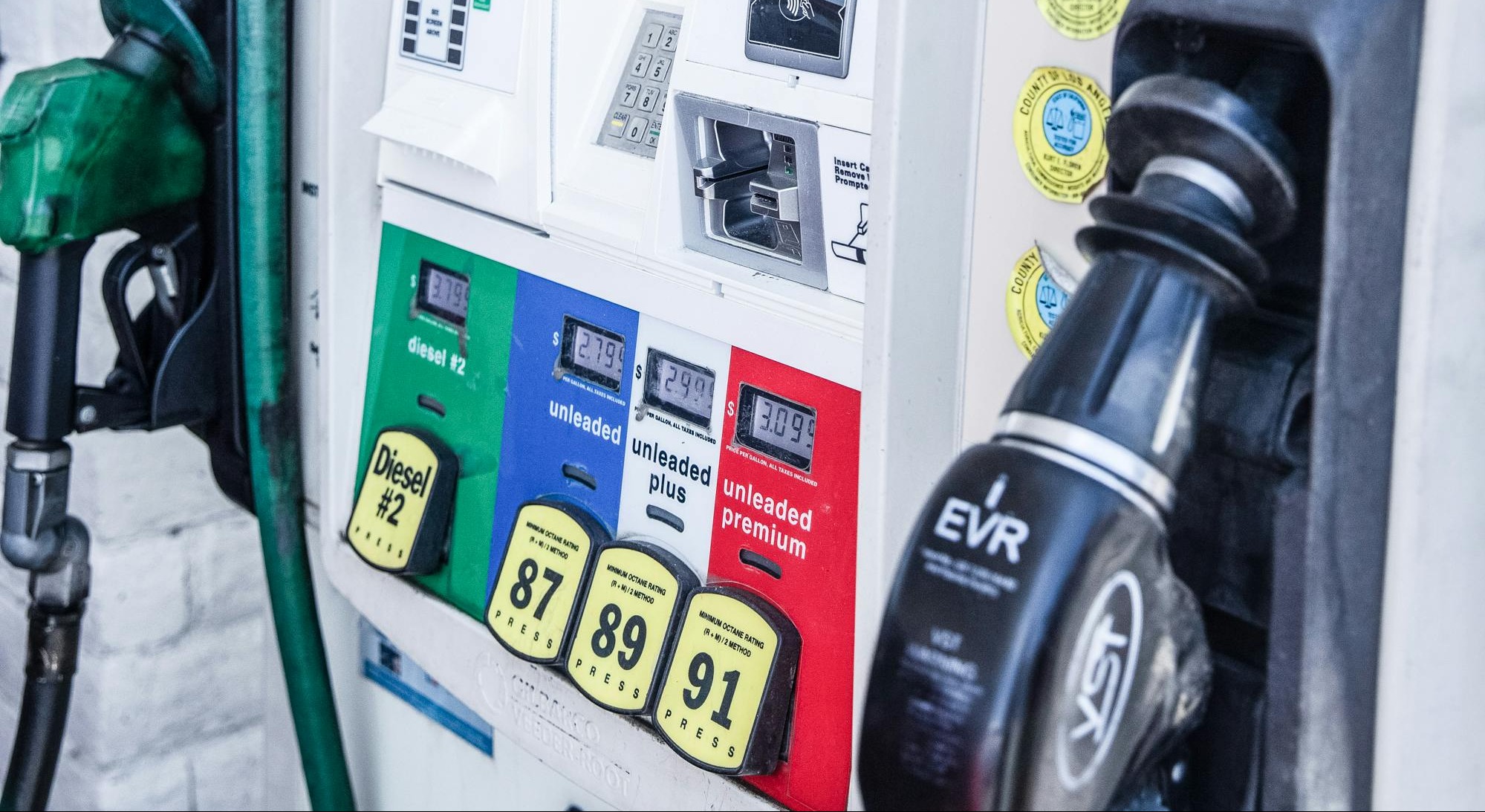
Fuel efficiency software has become a strategic priority for fleet leaders facing rising fuel costs, tighter margins, and growing sustainability expectations. For most fleets, fuel is one of the largest operating expenses. Small improvements in fuel consumption can produce significant savings on a scale.
Fuel efficiency software help fleet management professionals track, analyze, and reduce fuel usage across vehicles, drivers, and routes. When deployed effectively, it strengthens cost control, supports ESG reporting, and improves operational discipline.
This guide explains how fleet fuel efficiency software works, what to look for, and how to evaluate the best fleet management software for fuel efficiency.
What Is Fuel Efficiency Software?
Fuel efficiency software is a category of fleet technology designed to monitor fuel consumption, identify inefficiencies, and provide actionable insights to reduce fuel spending. It may exist as a standalone system or as part of a broader fleet management platform.
While many telematics systems collect vehicle data, fuel efficiency tracking software focuses specifically on fuel-related metrics. It analyzes consumption patterns, driver behavior, idling time, route efficiency, and fuel card transactions to surface opportunities for improvement.
For fleet executives, the goal is not just visibility. It is a measurable reduction in cost per mile and improved fleet-wide fuel economy.
How Fuel Efficiency Software Works
Most platforms combine multiple data sources:
- GPS and telematics devices that capture speed, idling, and engine diagnostics
- Fuel card integrations that track purchase volumes and locations
- OBD-II or CAN bus data for real-time fuel consumption
- Route optimization systems that reduce unnecessary mileage
The software aggregates this data into dashboards and reports. It flags excessive idling, harsh acceleration, speeding, and inefficient routing. Advanced systems apply predictive analytics to forecast fuel usage and detect anomalies.
The value comes from turning raw data into operational actions. Fleet managers can coach drivers, adjust routes, optimize dispatching, and identify underperforming vehicles.
Why Fuel Efficiency Matters for Fleet Performance
Fuel efficiency directly impacts:
- Operating margins
- Cost per mile
- Asset utilization
- Carbon emissions
- ESG reporting metrics
For enterprise fleets, even a 5 percent improvement in fuel efficiency can translate into substantial annual savings. For regulated industries, better tracking also supports compliance and environmental reporting requirements.
Fuel efficiency is no longer just an operational metric. It is a strategic lever tied to financial and sustainability goals.
Key Features of Fleet Fuel Efficiency Software
When evaluating fleet fuel efficiency software, leaders should focus on capabilities that drive measurable outcomes.
Real-Time Fuel Consumption Tracking
Real-time visibility allows managers to respond quickly to wasteful behavior. Instead of reviewing monthly reports, teams can address excessive idling or route deviations immediately.
This reduces fuel waste before it compounds across the fleet.
Driver Behavior Monitoring
Driver behavior has a direct impact on fuel economy. Key metrics include:
- Idling duration
- Harsh braking and acceleration
- Speeding
- Aggressive cornering
Behavior monitoring supports structured coaching programs. Over time, consistent feedback can significantly reduce fuel consumption.
Fuel Card and Expense Integration
Integrating fuel card data improves financial accuracy and reduces fraud risk. It allows fleets to:
- Match purchases to vehicle usage
- Detect suspicious transactions
- Analyze cost trends by region
This integration connects operational and financial oversight.
Route Optimization and Telematics Integration
Route optimization reduces unnecessary mileage and improves scheduling efficiency. When combined with telematics data, fleets can evaluate actual versus planned routes.
Optimized routing reduces fuel usage while improving service levels.
Reporting and Benchmarking
- Executive dashboards should provide:
- Fuel cost per vehicle
- Miles per gallon trends
- Fleet-wide comparisons
- Historical performance tracking
Benchmarking allows leaders to identify top-performing regions or drivers and replicate success across the organization.
Common Challenges in Improving Fleet Fuel Efficiency
Even with the right tools, improving fuel efficiency requires organizational alignment.
Data Silos and Integration Gaps: Disconnected systems limit visibility. If telematics, fuel cards, and maintenance data are not integrated, insights remain incomplete. An effective fuel efficiency tracking software platform should centralize data across systems.
Driver Adoption and Change Management: Drivers may resist monitoring initiatives. Clear communication is critical. Leaders should position fuel efficiency as a shared goal tied to safety and performance, not surveillance. Incentive programs often improve adoption and engagement.
Limited Visibility Across Mixed Fleets: Many fleets now operate a mix of combustion, hybrid, and electric vehicles. Tracking fuel efficiency across different vehicle types requires flexible analytics and reporting. Platforms must adapt to evolving fleet compositions.
How to Evaluate the Best Fleet Management Software for Fuel Efficiency
Choosing the best fleet management software for fuel efficiency requires a structured evaluation framework.
Scalability and Fleet Size Compatibility
Some platforms are designed for small and mid-sized fleets. Others support complex enterprise deployments with thousands of vehicles.
Leaders should assess long-term scalability before committing.
Integration With Existing Systems
The software should integrate with:
- ERP systems
- HR and payroll platforms
- Maintenance management tools
- Compliance systems
Seamless integration reduces manual work and improves data accuracy.
Data Accuracy and Hardware Requirements
Hardware-heavy solutions may provide richer data but increase upfront costs. Software-first models may be easier to deploy but offer fewer diagnostics.
Fleet leaders must balance precision with implementation complexity.
Analytics Depth and Predictive Capabilities
Advanced platforms use AI-driven analytics to:
- Predict fuel usage trends
- Identify underperforming vehicles
- Forecast maintenance issues that affect efficiency
Predictive capabilities help fleets move from reactive to proactive management.
Total Cost of Ownership </h3?
Evaluation should include:
- Subscription fees
- Hardware and installation costs
- Training requirements
- Implementation timelines
- Expected ROI
A lower upfront cost does not always mean lower long-term expenses.
Best Fleet Management Software for Fuel Efficiency
Below are leading platforms that support fuel efficiency tracking and optimization.
Verizon Connect
Verizon Connect is a comprehensive fleet management platform with integrated telematics, compliance, and fuel analytics.
Key features include real-time vehicle tracking, driver scorecards, idling reports, fuel card integration, and customizable dashboards. Its strength lies in combining operational visibility with fuel performance metrics in a single system.
This platform is best for large fleets that need enterprise-grade reporting and centralized oversight. One downside is the implementation complexity. Larger deployments may require internal resources and dedicated training.
Samsara
Samsara focuses on real-time visibility through IoT-enabled telematics devices. It provides detailed driver behavior analytics, fuel monitoring, and route insights.
Key features include AI dashcams, idling detection, fuel trend analysis, and integrated safety reporting. Its unified platform connects fuel efficiency with safety and compliance metrics.
Samsara is best for fleets prioritizing real-time operational visibility and behavior-driven fuel reduction strategies. Hardware costs can increase total spending, particularly for fleets requiring advanced camera systems.
Geotab
Geotab offers an open telematics platform with a strong analytics ecosystem. It supports fuel usage tracking, custom reporting, and deep data integrations.
Key features include advanced engine diagnostics, marketplace integrations, and customizable dashboards. Its open architecture allows fleets to tailor analytics to specific operational needs.
Geotab is best for organizations that require flexible integrations and advanced data customization. Customization may require technical expertise or partner support.
Fleetio
Fleetio is known for maintenance management but also provides fuel tracking capabilities through integrations and reporting tools.
Key features include fuel logging, cost tracking, preventive maintenance scheduling, and performance reporting. Fuel data is often linked to maintenance trends to identify efficiency issues tied to vehicle conditions.
Fleetio is best for mid-sized fleets prioritizing maintenance-driven fuel improvements. Its fuel analytics may be less advanced than telematics-first platforms.
Motive
Motive combines compliance management, telematics, and fuel monitoring in a single platform.
Key features include driver scorecards, fuel reporting, safety monitoring, and regulatory compliance tracking. It is often adopted by fleets in regulated industries such as transportation and logistics.
Motive is best for fleets that need fuel visibility alongside compliance oversight. Feature depth can vary depending on the subscription tier.
Implementation Best Practices for Fuel Efficiency Tracking Software
Technology alone does not guarantee savings. Execution matters.
Set Clear KPIs and Baselines
Before deployment, establish measurable goals such as:
- Target percentage reduction in fuel spend
- Improved miles per gallon
- Reduced idling time
Baseline data ensures progress can be tracked objectively.
Align Incentives with Driver Behavior
Structured coaching and incentive programs reinforce desired behavior. Recognizing top performers encourages broader adoption.
Use Data for Continuous Improvement
Fuel efficiency is not a one-time initiative. Regular review cycles, performance meetings, and data-driven adjustments create sustained improvement.
The Strategic Role of Fuel Efficiency Software in Modern Fleet Management
Fleet fuel efficiency software is no longer optional for cost-conscious organizations. It connects operational behavior with financial outcomes and sustainability goals.
For fleet executives, the opportunity extends beyond fuel savings. The right platform strengthens data visibility, supports digital transformation, and builds a culture of accountability.
In a margin-sensitive environment, fuel efficiency tracking software provides both immediate cost control and long-term strategic advantage.