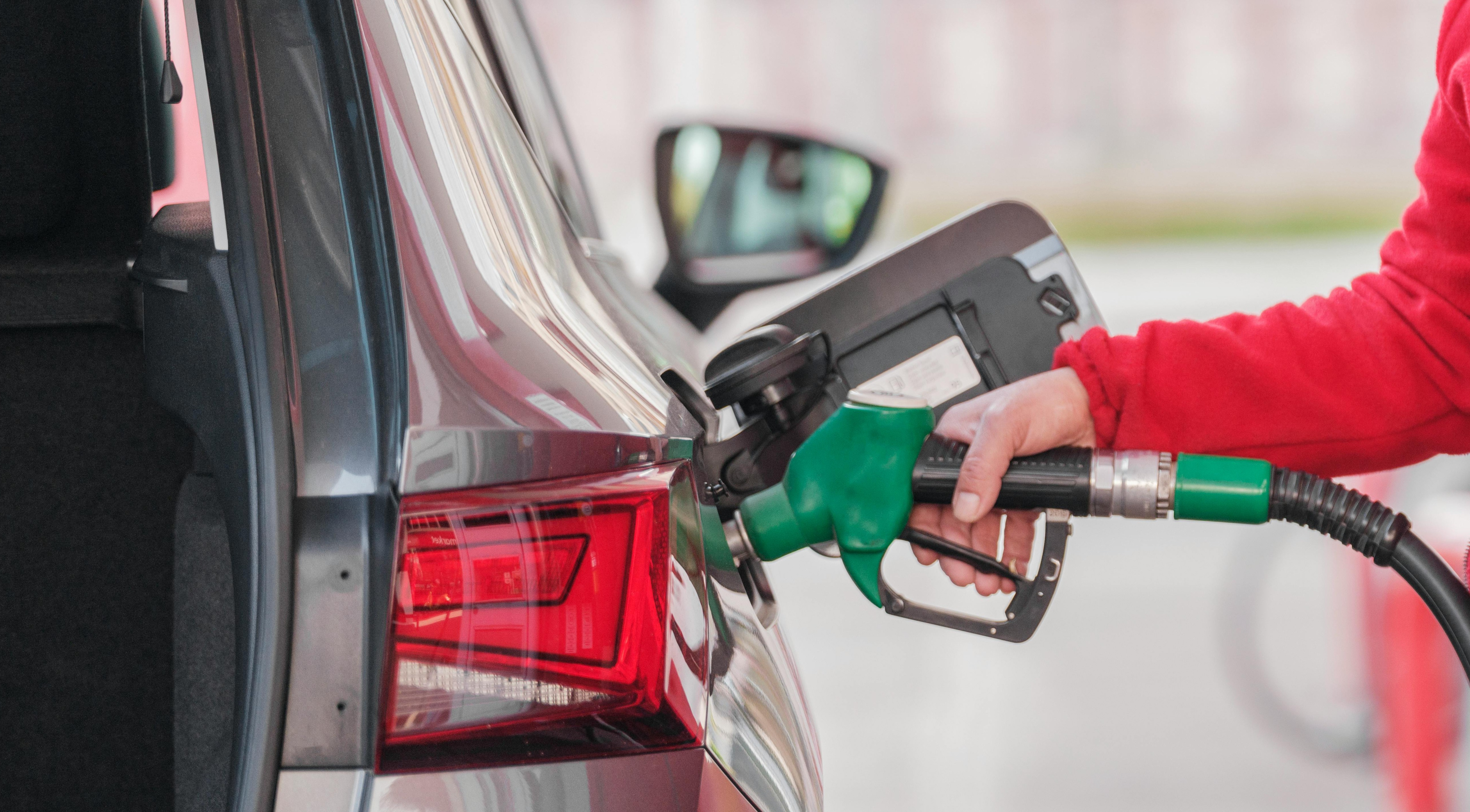
Fuel costs remain one of the biggest operating expenses for businesses that rely on vehicles. Whether managing delivery vans, service vehicles, or commercial fleets, companies often struggle with tracking fuel purchases, controlling spending, and handling reimbursements efficiently.
For fleet managers, professionals, and business leaders, manual fuel tracking creates unnecessary administrative work and limits visibility into business expenses. Modern fuel payment solutions help solve these challenges by simplifying fuel purchases, automating reporting, and improving financial control across fleet operations.
What Are Fuel Payment Solutions?
Fuel payment solutions are tools, cards, and software platforms designed to help businesses manage fuel-related expenses. Unlike traditional business credit cards or cash reimbursements, these systems are built specifically for fuel purchasing and fleet expense management.Businesses commonly use fuel payment solutions to:
- Pay for fuel purchases
- Track transactions in real time
- Control driver spending
- Simplify accounting and reconciliation
- Reduce fraud and unauthorized purchases
- Monitor fuel efficiency across fleets
Today’s fuel payment ecosystem includes fuel cards, fleet cards, mobile payment platforms, and fuel pump payment solutions that integrate directly with accounting and fleet management systems.
Why Businesses Need Fuel Payment Solutions for Business Expenses
Fuel spending can become difficult to manage when multiple drivers, vehicles, and locations are involved. Traditional processes often rely on paper receipts, expense reimbursements, and manual tracking, which can create reporting delays and increase the risk of inaccurate records.
Fuel payment solutions for business expenses provide businesses with centralized oversight and automated tracking. Instead of collecting receipts from drivers or manually reviewing statements, businesses can access transaction data instantly through a single dashboard.
These solutions also help organizations:
- Improve spending accountability
- Enforce fuel purchase policies
- Reduce administrative workload
- Gain better visibility into operational costs
- Improve budgeting and forecasting
For companies with growing fleets, fuel payment systems can significantly reduce time spent on expense management while improving overall operational efficiency.
Key Benefits of Fuel Payment Solutions
Better Expense Control
One of the biggest advantages of fuel payment solutions is the ability to control spending at a detailed level. Businesses can set restrictions based on:
- Driver
- Vehicle
- Fuel type
- Transaction amount
- Time of day
- Merchant location
These controls help reduce unauthorized purchases and ensure company fuel policies are followed consistently.
Faster Reporting and Reconciliation
Manual receipt collection and expense reporting can slow down accounting teams and create unnecessary errors. Fuel payment platforms automatically capture transaction details, making reconciliation faster and more accurate.
Finance teams can quickly generate reports for:
- Fuel spending
- Driver activity
- Vehicle costs
- Department-level expenses
- Fuel efficiency trends
This reduces administrative overhead and improves month-end reporting accuracy.
Real-Time Visibility Into Fuel Usage
Modern fuel payment solutions provide real-time transaction monitoring, giving fleet managers immediate visibility into fuel activity across the organization.
This visibility helps businesses:
- Detect unusual fueling behavior
- Identify potential fraud
- Monitor fuel efficiency
- Improve operational planning
- Track fuel consumption trends
Real-time reporting also allows managers to make faster decisions based on accurate data.
Improved Driver Convenience
Fuel pump payment solutions make fueling faster and easier for drivers. Instead of paying out of pocket or keeping paper receipts, drivers can complete transactions directly through fuel cards or mobile apps.
Contactless and mobile payment options also help reduce delays at fueling stations, improving overall driver experience and route efficiency.
Fraud Prevention and Security
Fuel fraud remains a major concern for many fleet-based businesses. Modern fuel payment platforms include multiple security features designed to reduce misuse, including:
- PIN verification
- GPS-based transaction matching
- Purchase alerts
- Spending limits
- Real-time notifications
These tools help businesses quickly identify suspicious transactions and reduce financial losses from unauthorized purchases.
Types of Fuel Payment Solutions
Fuel Cards
Fuel cards are designed specifically for fuel purchases and are commonly accepted across large fuel station networks. They often include discounts, reporting tools, and spending controls.
These cards work well for businesses looking for straightforward fuel expense management without broader fleet management features.
Fleet Cards
Fleet cards offer more advanced functionality for businesses managing multiple vehicles and drivers. In addition to fuel purchases, they may support:
- Maintenance expenses
- Driver tracking
- Mileage reporting
- Fleet analytics
Fleet cards are ideal for organizations that need deeper operational oversight.
Mobile Fuel Payment Solutions
Mobile payment platforms allow drivers to pay for fuel directly through apps or digital wallets. These systems simplify receipt management and improve transaction speed while supporting contactless payments.
Fuel Pump Payment Solutions
Fuel pump payment solutions enable direct payment at the pump through cards, mobile apps, or contactless technology. These solutions reduce fueling time and help improve driver efficiency during routes.
Popular Fuel Payment Platforms
Several providers offer fuel payment and fleet expense solutions designed for businesses of different sizes and industries.
WEX
WEX is one of the most established fleet payment platforms in the market. It offers strong purchase controls, broad fuel station acceptance, and detailed reporting features. Many medium-to-large fleets use WEX for its extensive expense visibility and fraud prevention tools.
Fleetio
Fleetio combines fuel tracking with fleet maintenance management. The platform is known for centralized fleet operations, cost-per-mile reporting, and integration with multiple fuel card providers. Businesses looking for both maintenance and fuel oversight often choose Fleetio.
Samsara
Samsara combines telematics, GPS tracking, fleet management, and fuel monitoring into one platform. Its real-time analytics and operational visibility make it popular among larger fleets focused on improving efficiency and driver performance.
Motive
Motive focuses on fleet operations, driver safety, compliance, and fuel management. Its AI-powered tools and integrated platform make it well suited for logistics and transportation businesses seeking an all-in-one operational solution.
Fuelman
Fuelman specializes in fuel-focused payment controls and transaction-level reporting. Businesses commonly use Fuelman to monitor driver fueling activity and reduce unauthorized purchases.
Coast
Coast offers a modern fleet card platform with flexible spending controls and broad acceptance. In addition to fuel purchases, businesses can manage related expenses such as maintenance, parking, and tolls through a single system.
Choosing the Right Fuel Payment Solution
The best fuel payment solution depends on a company’s operational needs, fleet size, and expense management goals.
Businesses should evaluate:
- Fuel station acceptance networks
- Spending control features
- Reporting capabilities
- Fraud prevention tools
- Accounting integrations
- Mobile accessibility
- Scalability for future growth
Organizations with larger fleets may benefit from integrated fleet management platforms, while smaller businesses may prefer simple fuel card programs with basic reporting tools.
Conclusion
Fuel payment solutions help businesses gain better control over one of their most significant operational expenses. From fuel cards and fleet management platforms to advanced fuel pump payment solutions, these systems simplify expense tracking, improve reporting accuracy, and strengthen spending controls.
For fleet managers, professionals, and business leaders, modern fuel payment solutions provide the visibility and efficiency needed to manage fuel expenses more effectively. As businesses continue to prioritize cost control and operational efficiency, adopting the right fuel payment platform can support smarter fleet management and long-term growth.