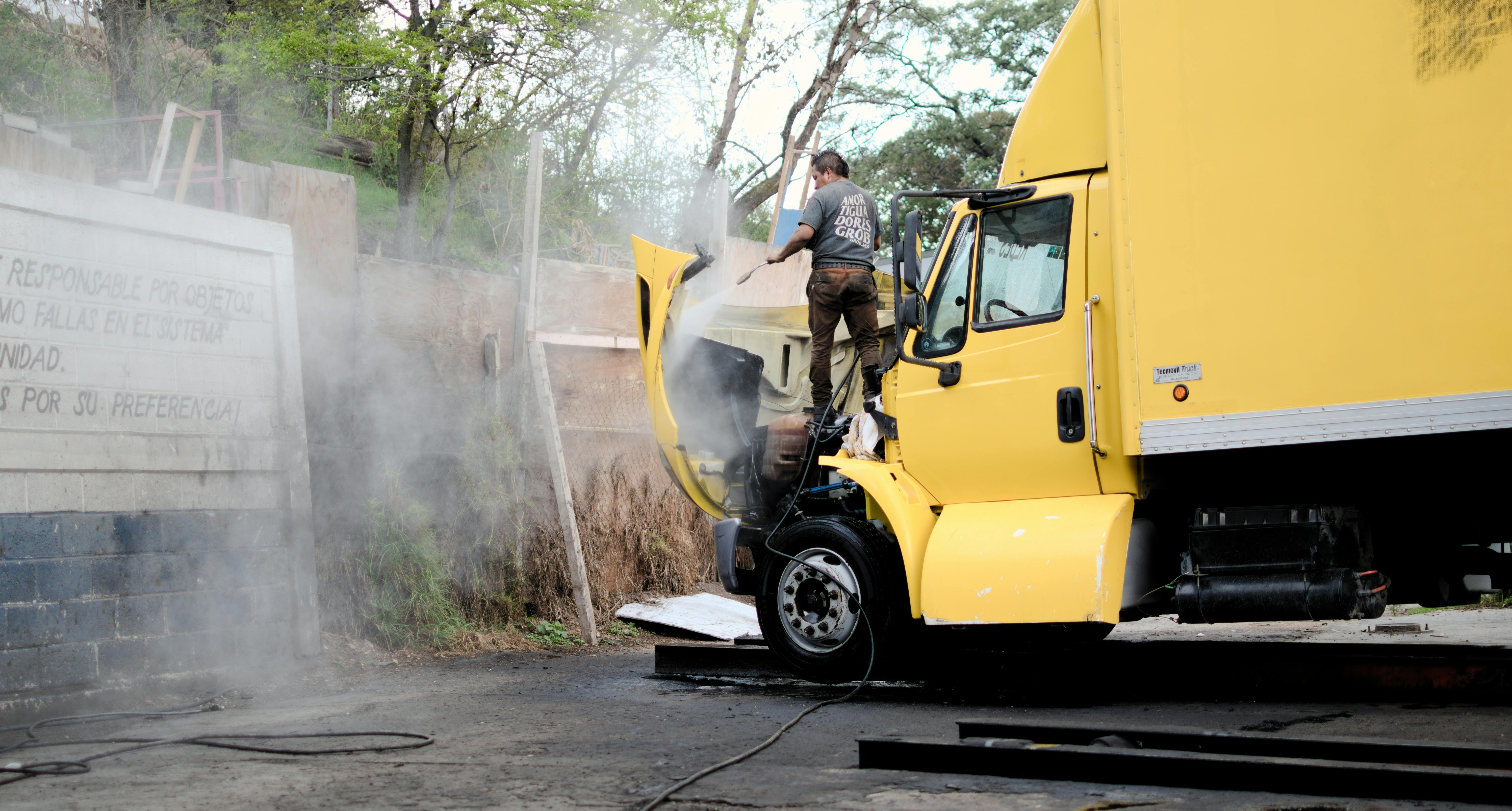
An incident management truck helps fleets respond faster when a vehicle breaks down, blocks a lane, or creates a roadside safety risk. For trucking fleets, tow operators, manufacturers, and upfitters, the goal is not only recovery. It is safer scene control, faster communication, better documentation, and reduced downtime.
The Federal Highway Administration defines traffic incident management as a coordinated process for detecting, responding to, and clearing incidents so traffic can return to normal safely and quickly. That makes the truck only one part of the strategy. The stronger program combines equipment, trained operators, software, dispatch workflows, and post-incident review.
What Is an Incident Management Truck?
An incident management truck is a vehicle equipped to support roadside response. It may be a dedicated response unit, a service body truck, a safety patrol vehicle, or a tow truck with added traffic control and communications equipment.
Unlike a standard service vehicle, it is built around scene safety. Typical equipment includes warning lights, cones, signs, PPE, radios, cameras, spill kits, recovery tools, first aid supplies, and mobile reporting technology.
For incident management trucking fleets, this vehicle helps bridge the gap between the first driver call and full recovery. It gives teams a faster way to assess the scene, protect the driver, coordinate towing, and document what happened.
Why Fleets Need a Formal Incident Response Strategy
Roadside incidents create risk for drivers, responders, motorists, cargo, and equipment. Poor response can also increase delivery delays, claim exposure, repair costs, and customer disruption.
A formal strategy helps fleets answer key questions before an event happens. Who contacts the driver? Who decides whether to dispatch a tow truck? Who documents damage? Who updates the customer? Who reviews the incident afterward?
The FHWA highlights safe quick clearance as important for both mobility and responder safety. This matters because every extra minute on the shoulder can increase exposure for drivers and response crews.
Core Features of an Effective Incident Management Truck
The best build starts with the fleet’s real incident profile. A long-haul carrier may need heavy recovery coordination, trailer support, and cargo documentation. A utility fleet may need traffic control, field repair tools, and work zone protection. A manufacturer or upfitter may need modular packages that work across different chassis and duty cycles.
High-visibility lighting is essential. This includes light bars, rear warning systems, arrow boards, reflective markings, and scene lighting. The goal is to make the vehicle visible without creating confusion for approaching drivers.
Traffic control equipment should be easy to reach. Cones, electronic flares, collapsible signs, wheel chocks, and lane-control supplies need organized storage. Responders should not have to search through compartments during a stressful event.
Communications technology is also critical. Radios, GPS, tablets, dash cameras, telematics, and dispatch software help the team understand where the incident is, what support is needed, and which assets are closest.
Software Tools That Support Incident Management Truck Operations
An incident management truck becomes more effective when connected to the right software. These platforms help teams locate vehicles, review video, assign work, document damage, manage towing, and close the loop after an event.
Samsara
Samsara is a strong fit for fleets that want telematics, GPS tracking, AI dash cams, ELD, maintenance, routing, and compliance in one connected operations platform. It is best for mid-sized and large fleets that need visibility across many vehicles. One watchout is rollout complexity, especially when hardware, cameras, and driver workflows are deployed at scale.
Motive
Motive supports fleet management, driver safety, GPS tracking, compliance, and operations workflows. It is useful for incident management because teams can locate vehicles, review safety events, and support driver accountability. This is best for trucking, logistics, construction, and field service fleets. One downside is that teams need clear setup rules before combining dash cams, compliance, and maintenance workflows.
Geotab
Geotab is a flexible telematics platform for vehicle tracking, driver data, diagnostics, analytics, and integrations. It is best for fleets with mixed vehicle types, multiple business units, or complex data needs. One watchout is configuration. Fleets should define which data points matter most for incident response before building reports or integrations.
Verizon Connect
Verizon Connect provides GPS tracking, dashboards, reports, alerts, driver behavior monitoring, dispatch visibility, routing, asset tracking, and compliance management. It is best for service fleets and field operations that need near real-time visibility and broad fleet oversight. One watchout is package design, since buyers should confirm which safety, camera, and compliance features are included.
Lytx
Lytx focuses on video telematics, driver safety, coaching, and incident evidence. It is best for fleets that prioritize claims support, safety investigations, and driver coaching after high-risk events. One watchout is adoption. Fleets need clear privacy policies and a fair coaching process so drivers understand how video data will be used.
Fleetio
Fleetio supports inspections, issues, service reminders, work orders, and maintenance records. It is best for connecting roadside events to repair workflows and uptime analysis. One watchout is that Fleetio may need to integrate with telematics, dispatch, or camera tools to create a complete incident record.
Towbook
Towbook is built for towing, roadside, and impound operations. It supports dispatching, call assignment, job tracking, inventory, accounting, and mobile access. It is best for towing businesses that need tow-specific workflows. One watchout is that commercial fleet customers may still need separate systems for safety, claims, and maintenance reporting.
SafetyCulture
SafetyCulture helps teams standardize inspections, investigations, evidence capture, root cause analysis, and corrective actions. It is best for fleets, manufacturers, and safety teams that need structured post-incident reviews. One watchout is template design. Poorly designed forms can create extra work without improving decisions.
How to Choose the Right Setup
Start with incident volume and severity. Review breakdowns, crashes, tire failures, cargo shifts, spills, and disabled trailer events. Then match the truck, equipment, software, and training to those scenarios.
Fleet leaders should also map the incident lifecycle. A complete workflow includes detection, driver contact, dispatch, scene protection, towing, repair, claims support, customer updates, and post-incident review.
Manufacturers and upfitters should focus on payload, chassis choice, storage layout, electrical capacity, corrosion resistance, and serviceability. The truck must be safe to operate, easy to maintain, and flexible enough for future technology upgrades.
Conclusion
An incident management truck is a safety and uptime investment. It helps fleets protect drivers, stabilize scenes, coordinate tow truck incident management, and reduce operational disruption.
The strongest programs do not rely on the vehicle alone. They combine the right build, trained operators, clear procedures, connected software, and measurable performance. For incident management trucking fleets, that combination turns roadside response into a controlled, repeatable operating discipline.