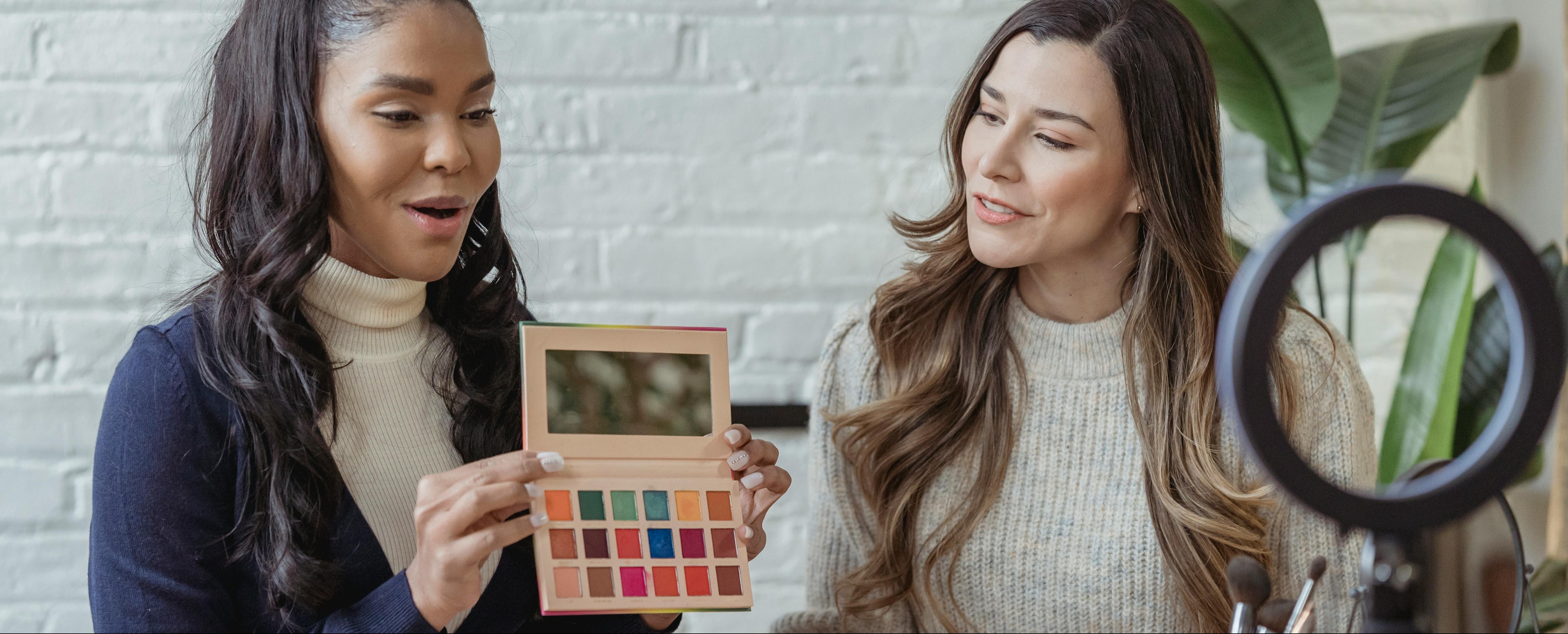
Influencer marketing has rapidly grown into a cornerstone of modern brand strategy, offering a powerful way for companies to connect authentically with their target audiences.
In this comprehensive guide, we explore the ins and outs of influencer marketing—from understanding what it is, to building a successful strategy, and overcoming common challenges like fake followers, misaligned content, and ROI tracking.
The Ultimate Guide to Influencer Marketing
Traditional advertising methods are losing their effectiveness, especially in today's digital-first world. Consumers are looking for a sense of connection and authenticity with a brand. With all the brand-produced ads out there comes the rise of influencer marketing. For B2B and B2C brands alike, influencers offer a direct line to engaged and loyal audiences that trust them.
With the influx of digital ads, more businesses are turning to professional influencer marketing agencies and specialized services to get measurable results. This guide will walk you through everything you need to know about building an impactful influencer marketing strategy—whether you’re doing it in-house or partnering with a seasoned agency.
What Is Influencer Marketing?
Influencer marketing is a form of collaboration where brands partner with individuals who have significant online followings to promote products or services. These influencers range from celebrities to niche experts (nano and micro-influencers) and can help your brand connect authentically with the target audience.When you work with the right influencers, you can expect your brand to build credibility among your customers, reach new audiences quickly, and drive higher conversion rates compared to paid ads.
Why Should You Invest in Influencer Marketing
Consumers nowadays value recommendations from people they relate to more than corporate messaging. They trust these people more than the ads you put out. This results in a hyper-engaged following and a high engagement rate.Key benefits for brands include:
- High ROI: Influencer campaigns can significantly outperform traditional ads in terms of cost per acquisition.
- Authenticity: Influencer endorsements feel more genuine, relatable, and authentic than brand-generated content.
- Content creation: Influencers can also generate content that you can repurpose across your channels.
When you align the right voices with your brand goals, you can achieve an effective influencer marketing strategy that capitalizes on these benefits.
How to Build an Effective Influencer Marketing Strategy
Success in influencer marketing requires more than outreach—it demands strategic planning. Here’s how you can do it:Define campaign goal
Are you looking to increase brand awareness, drive website traffic, generate leads, or boost sales? Before you start with an influencer marketing strategy, the goal of the campaign should first be clear.
Identify your target platform and audience
Different platforms have different demographics. This could mean that the content you post on Facebook may not see the same success when you post it on Instagram, because they have completely different audience demographics. For B2B campaigns, LinkedIn might be your best bet, while Instagram and TikTok are ideal for lifestyle brands.
Select the right influencers
Don’t simply bank on influencers with a large follower count. Partnering with them doesn’t immediately translate into the success of your campaign. It’s still best to look beyond the follower count.
Evaluate engagement rates, audience fit, and brand alignment. If you’re finding it challenging to find the right influencers to partner with, you can enlist the help of influencer marketing agencies since they can provide invaluable expertise.
Structure the collaboration
Set expectations around deliverables, creative direction, timelines, and compensation. Make sure that you’re properly communicating the expectations for the campaign to ensure effective collaboration.
Track and measure results
Track the results of your campaigns using UTM links, promo codes, and performance dashboards to assess ROI. You can also use the results of these campaigns to optimize future ones.
Common Challenges in Influencer Marketing
Influencer marketing is effective and can deliver strong results, but it comes with several challenges, too. Here’s a closer look at some common pitfalls and how to proactively address them.
Fake followers and inauthentic engagement
Don’t be fooled by the numbers you see on social media. One of the biggest threats to campaign performance is partnering with influencers who have inflated followings through bots or purchased engagement. This can mislead performance expectations and waste your budget.
Solution: Use tools or work with an influencer marketing agency that provides in-depth vetting of influencers. This includes audience authenticity audits, engagement rate analysis, and sentiment checks. Look for long-tail interactions rather than vanity metrics.
Misaligned content or brand messaging
Influencers can produce content that feels off-brand if guidelines aren’t clearly communicated. When the audience sees this, it may be confusing, as brand equity is diluted.
Solution: Develop a thorough and accurate content brief that includes tone of voice, key messages, and visual expectations—without being overly restrictive. The goal is to increase brand visibility while ensuring the content still resonates with the influencer’s style, so their followers find it relatable.
Measuring ROI and proving value
Compared to traditional campaigns, influencer campaigns tend to have fuzzy attribution without a system in place.
Solution: Set up performance tracking from the very beginning of the campaign. Use UTM parameters, affiliate links, and influencer-specific discount codes to capture data. Track both quantitative metrics, such as clicks, conversions, and reach, and qualitative outcomes like brand sentiment and customer feedback.
Campaign fatigue and saturation
If a particular influencer posts too much sponsored content, audiences may tune out or perceive the content as inauthentic.
Solution: Focus on long-term partnerships rather than one-off posts. When influencers become brand advocates, their endorsement feels more natural and builds trust over time.
The Future of Influencer Marketing
The influencer marketing space is rapidly evolving, and as marketers, you should learn how to keep up. Here’s what to expect and how to stay ahead.
Incorporation of Artificial Intelligence
The influencer marketing sphere isn’t untouched by the power of AI. There are tools available that can transform how influencer partnerships are sourced and managed. Using AI can help identify which creators align most with your brand and can also help in predicting campaign outcomes.
Rise of nano- and micro-Influencers
If the goal of your campaign is to reach new audiences and increase brand awareness, working with mega-influencers is recommended. However, brands are no longer limited to just this. They’re also targeting higher engagement and deeper trust within niche communities. This is where nano- and micro-influencers come into play. They may have smaller followings, but they are seen as more relatable and authentic.
Integration with social commerce
Platforms like TikTok, Instagram, and YouTube are increasingly integrating shopping features into their ecosystems. This makes it easier for content creators or influencers to recommend products to their followers. It’s now much easier to close the gap between discovery and conversion.
Conclusion
Influencer marketing has evolved from a trend into a strategic growth channel for brands that want to connect meaningfully with their audience. Whether you're a B2B enterprise looking to build thought leadership or a B2C brand aiming to drive conversions, the right influencer partnerships can transform your marketing outcomes.
By developing a clear influencer marketing strategy, choosing the right platforms and voices, and leveraging the expertise of influencer marketing agencies and services, businesses can generate high ROI, boost brand credibility, and create content that resonates. As the space becomes more sophisticated with AI, nano-influencers, and social commerce, staying ahead requires a proactive, data-driven, and relationship-first approach.
If you're ready to elevate your marketing efforts, now is the time to explore influencer marketing not just as a campaign—but as a long-term strategy.