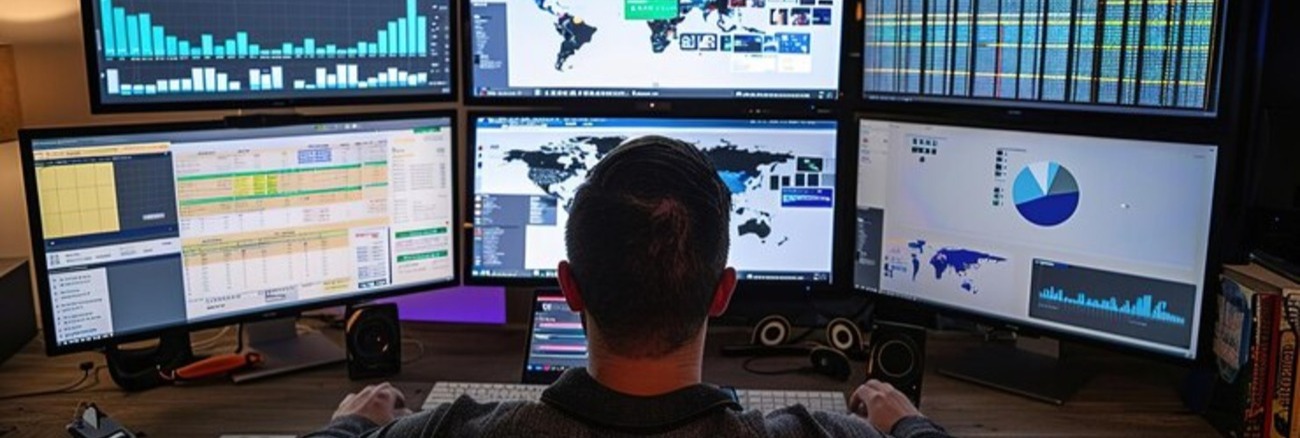
Efficient IT infrastructure monitoring solutions are essential for organizations aiming to maintain high performance, detect issues proactively, and optimize system resources. The benefits of infrastructure monitoring include visibility across servers, networks, and applications, enabling IT teams to detect anomalies and bottlenecks. Having real-time insights of infrastructure components also help address performance issues and ensure uninterrupted applications and services.
Types of IT Infrastructure Monitoring Solutions
- Network Monitoring: This type of infrastructure monitoring works by focusing on network traffic, bandwidth, and device health. Network monitoring solutions collect data to help detect outages, bandwidth issues, and security vulnerabilities within network devices.
- Server Monitoring: Server monitoring solutions track the health, performance metrics, and usage of physical and virtual servers. Server monitoring is crucial for identifying issues like memory leaks, CPU spikes, and storage limitations.
- Application Performance Monitoring (APM): APM solutions focus on the performance and reliability of applications, identifying code-level issues, user experience problems, and system dependencies impacting app performance.
- Cloud Monitoring: Designed specifically for cloud platforms, these solutions offer visibility into cloud resource utilization, cost management, and performance. Cloud monitoring helps organizations manage and optimize cloud services effectively.
- Unified Monitoring Platforms: These all-in-one solutions provide a comprehensive view of the entire IT infrastructure, covering network, server, application, and cloud monitoring in a single platform. Unified solutions are ideal for organizations looking for centralized monitoring and management.
Key Features to Look For
Consider these key features when selecting an IT infrastructure monitoring solution:
- Real-Time Alerts and Notifications: Look for solutions that provide real-time alerts with customizable thresholds. Timely notifications enable IT teams to respond quickly to potential issues, reducing downtime and impact on users.
- Comprehensive Dashboards: A robust IT infrastructure monitoring tool should offer a customizable dashboard with real-time metrics and analytics. Dashboards provide an at-a-glance view of infrastructure health, making it easier for teams to identify and resolve issues.
- Integration with ITSM and Incident Management Tools: IT service management (ITSM) and incident management systems help streamline workflows by enabling organizations to link monitoring data directly to support tickets and service requests.
- Predictive Analytics: Advanced solutions offer predictive analytics to forecast potential issues based on historical data trends. Predictive capabilities allow IT teams to proactively manage resources, minimizing downtime and preventing outages.
- Automated Root Cause Analysis: Look for solutions that offer automated root cause analysis to diagnose issues efficiently. Automated analysis speeds up resolution times by identifying the root cause of an incident or performance degradation.
How to Evaluate IT Infrastructure Monitoring Solutions and Vendors
Assess Customization and Flexibility.
Choose a solution that offers customizable dashboards, alerts, and reporting to fit your organization’s specific monitoring needs. Flexibility in setting thresholds and metrics is crucial for aligning the tool with your operational requirements.
Examine Historical Data Retention and Reporting.
Evaluate the solution’s ability to retain historical data and generate insightful reports. Solutions with extensive data retention provide context for trends analysis, capacity planning, and performance benchmarking.
Consider Vendor’s Experience in IT Infrastructure.
Choose a vendor with a proven track record in IT infrastructure monitoring. Experienced vendors understand the complexities of IT environments and offer solutions that align with industry best practices.
Evaluate Security and Compliance Features.
IT monitoring solutions handle sensitive data and access key infrastructure. Ensure the solution adheres to security best practices, such as data encryption, role-based access control, and compliance with industry standards like GDPR or SOC 2.
Review Scalability and Multi-Tenant Support.
For enterprises or managed service providers, solutions with multi-tenant support allow isolated monitoring for different departments or clients within the same platform. Scalability ensures the solution grows alongside your IT infrastructure.
Test Vendor Support and Training Resources.
Effective vendor support and training are critical for a smooth deployment and ongoing maintenance. Look for vendors that provide responsive support, thorough documentation, and comprehensive training programs to maximize the solution’s benefits.
IT Infrastructure Monitoring Research Insights
Trending Topics in IT Infrastructure Monitoring
Stay current with these emerging trends and advancements in IT infrastructure monitoring:
- AI-Driven Anomaly Detection: Artificial intelligence is enhancing anomaly detection in monitoring solutions, enabling quicker identification of abnormal patterns. AI-driven monitoring reduces false positives and helps prioritize significant incidents.
- Edge Infrastructure Monitoring: As organizations adopt edge computing, monitoring tools are evolving to track infrastructure performance at the edge. Edge monitoring ensures remote and distributed resources remain optimized.
- Automation in Incident Response: Automating incident response processes is becoming common in monitoring solutions. Automated workflows streamline response times, improve resolution rates, and reduce the operational burden on IT teams.
- Unified Monitoring for Hybrid Environments: Organizations with hybrid IT environments benefit from unified monitoring platforms that offer visibility across on-premises and cloud resources. Unified monitoring minimizes blind spots and simplifies management.
Recommended Resources
To further support your selection, explore these recommended Contentree resources:
Driving Data-Driven Monitoring for Optimized IT Infrastructure
This case study outlines how a company leveraged an IT monitoring platform to gain real-time visibility and drive data-driven improvements in their IT infrastructure.
Guide to Choosing the Right APM Solution for IT Management
This guide offers valuable insights into evaluating application performance monitoring within the context of infrastructure monitoring, covering essential features and best practices.
Case Study: Multi-Tenant Monitoring for Enterprise Expansion
Discover how a company implemented multi-tenant monitoring to manage their expanding IT infrastructure, ensuring consistent performance across multiple business units.
A Final Word on IT Infrastructure Monitoring Solutions
Selecting the right IT infrastructure monitoring solution is critical for maintaining operational efficiency, preventing downtime, and ensuring optimal performance. The right solution will not only provide essential visibility but also enhance decision-making and resilience, helping your IT team deliver reliable services in an increasingly complex digital landscape.