- What Is Lease Management in Building Operations?
- Why Lease Management Matters for Commercial Buildings
- Key Challenges in Building Lease Management
- Core Features of Modern Lease Management Systems
- How Lease Management Supports Asset Management Strategy
- Evaluation Criteria for Lease Management Software
- Leading Lease Management Tools for Commercial Buildings
- Best Practices for Effective Lease Management in Buildings
- Future Trends in Lease Management for Commercial Real Estate
- Conclusion: Turning Lease Management Into a Strategic Advantage
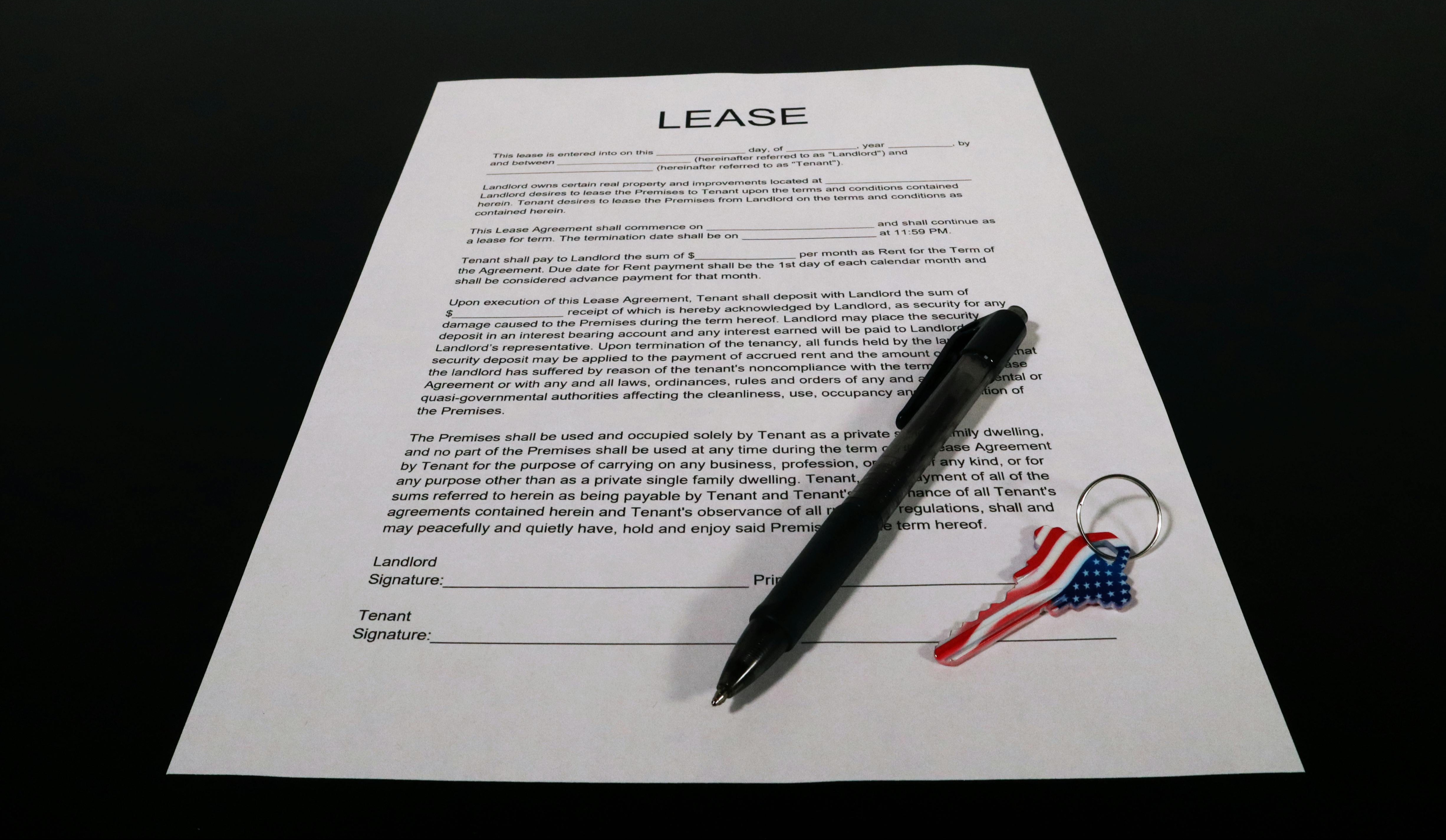
Lease management building strategies are no longer just administrative tasks. For commercial property leaders, they are central to revenue optimization, tenant retention, and long-term asset performance. As portfolios grow more complex, managing lease data, compliance, and financial outcomes requires a more structured and technology-driven approach.
This guide explains how lease management fits into modern building operations and asset management strategy, and how leaders can evaluate tools and improve outcomes.
What Is Lease Management in Building Operations?
Lease management refers to the process of tracking, administering, and optimizing lease agreements across a commercial building or portfolio. It includes managing lease terms, financial obligations, tenant details, and critical dates.
Core components of lease management
At its core, lease management involves maintaining accurate lease records, tracking rent schedules, managing escalations, and ensuring compliance with contract terms. It also includes reporting on lease performance and supporting financial planning.
How lease management differs from property management
Property management focuses on day-to-day building operations such as maintenance, tenant services, and vendor coordination. Lease management is more data-driven and financial in nature. It centers on contracts, revenue, and risk management.
Why Lease Management Matters for Commercial Buildings
Lease management directly impacts a building’s financial performance and tenant relationships. It plays a direct role in revenue optimization, tenant satisfaction, and risk control.
Accurate lease tracking ensures that rent escalations, renewals, and billing are executed correctly, reducing the likelihood of missed increases or incorrect charges that can erode revenue over time.
At the same time, clear communication and precise billing improve tenant trust, which supports stronger relationships and increases the likelihood of renewals. Effective lease management also reduces risk by ensuring that complex lease clauses are properly tracked and enforced, helping organizations stay compliant with accounting standards and legal obligations.
Key Challenges in Building Lease Management
Despite its importance, many organizations struggle with lease management due to operational complexity.
- Lease abstraction and data accuracy: Extracting key data from lease documents is time-consuming and prone to error. Inconsistent data makes reporting unreliable.
- Managing complex lease terms and escalations: Commercial leases often include variable rent, step-ups, and conditional clauses. Tracking these manually is difficult.
- Tracking renewals and critical dates: Missed renewal deadlines or notice periods can lead to lost revenue or unfavorable terms.
- Fragmented systems and manual processes: Many teams rely on spreadsheets or disconnected systems. This limits visibility and increases risk.
Core Features of Modern Lease Management Systems
Digital lease management systems address these challenges by centralizing and automating processes.
- Centralized lease database: A single source of truth for all lease documents and data improves accuracy and accessibility.
- Automated alerts and workflows: Systems can notify teams about upcoming renewals, rent changes, and compliance deadlines.
- Financial tracking and reporting: Modern tools provide real-time insights into lease revenue, expenses, and forecasts.
- Integration with asset and property management systems: Integration ensures that lease data supports broader operational and financial workflows.
How Lease Management Supports Asset Management Strategy
Lease management is a key input into asset management decisions. When managed effectively, it provides leaders with the visibility needed to evaluate building performance and make informed strategic choices across a portfolio.
With strong portfolio visibility and performance tracking, leaders can analyze occupancy rates, lease expirations, and revenue trends across buildings. This level of insight supports more proactive decision-making and helps identify both risks and opportunities early.
Lease data also plays a critical role in forecasting and valuation. Accurate, up-to-date lease information enables more reliable cash flow projections and strengthens property valuation models. This is especially important for long-term investment planning and reporting.
In addition, lease management helps align leasing strategy with the asset lifecycle. Lease terms can be structured to support renovation timelines, repositioning strategies, or broader market cycles, ensuring that leasing decisions contribute to overall asset value creation.
Evaluation Criteria for Lease Management Software
Choosing the right lease management system requires a clear framework.
Scalability for multi-building portfolios: The system should handle growth and support multiple properties without performance issues.
- Ease of use for property and finance teams: Adoption depends on usability. Both operational and finance teams must be able to use the system effectively.
- Reporting and analytics capabilities: Strong reporting tools enable better decision-making and performance tracking.
- Compliance and audit readiness: The platform should support accounting standards and provide audit trails.
- Integration with existing tech stack: Seamless integration reduces duplication and improves data consistency.
Leading Lease Management Tools for Commercial Buildings
Several platforms support lease management building strategies, each with different strengths.
Yardi Voyager
Yardi Voyager is an enterprise-grade platform designed for large commercial real estate portfolios. It combines property management, lease tracking, and financial management in one system.
Key features include advanced reporting, automated rent calculations, and strong integration across modules. This is best for large organizations that need a comprehensive, all-in-one solution. One downside is that implementation can be complex and resource-intensive.
MRI Software
MRI Software offers flexible lease and property management capabilities with strong financial tools. It is known for its modular approach, allowing organizations to customize functionality.
Key features include lease administration, accounting integration, and robust analytics. This is best for organizations that need flexibility and customization. One limitation is that configuration can require technical expertise.
AppFolio Property Manager
AppFolio is a user-friendly platform designed for mid-sized portfolios. It focuses on ease of use and streamlined operations.
Key features include lease tracking, tenant communication tools, and simplified reporting. This is best for teams that prioritize usability and quick implementation. One downside is that it may lack depth for highly complex commercial leases.
LeaseQuery (FinQuery)
LeaseQuery, now FinQuery, focuses on lease accounting and compliance. It is widely used for managing ASC 842 and IFRS 16 requirements.
Key features include automated journal entries, audit-ready reports, and compliance tracking. This is best for finance-driven teams that need strong accounting capabilities. One limitation is that it is less focused on operational property management.
IBM TRIRIGA
IBM TRIRIGA is an integrated workplace management system that includes lease management as part of a broader platform.
Key features include portfolio analytics, space management, and integration with workplace systems. This is best for large enterprises that want a unified platform for real estate and facilities. One downside is that it can be complex to deploy and manage.
Best Practices for Effective Lease Management in Buildings
Improving lease management requires both process and technology changes.
- Standardizing lease data and abstraction: Consistent data formats improve accuracy and reporting. Organizations should define standard fields and processes.
- Automating critical date tracking: Automated alerts reduce the risk of missed deadlines and improve planning.
- Aligning leasing and finance teams: Collaboration ensures that lease decisions align with financial goals and reporting requirements. - Regular portfolio reviews and audits: Periodic reviews help identify risks, opportunities, and performance gaps.
Future Trends in Lease Management for Commercial Real Estate
Lease management continues to evolve with new technologies.
- AI-driven lease abstraction and analytics: Artificial intelligence can extract lease data faster and improve accuracy.
- Integration with smart building systems: Lease data can be linked with occupancy and usage data to optimize space and costs. - Data-driven tenant experience strategies: Insights from lease and operational data can improve tenant engagement and retention.
Conclusion: Turning Lease Management Into a Strategic Advantage
Lease management building practices are shifting from manual administration to strategic enablement. For commercial property leaders, the ability to manage lease data accurately and use it for decision-making is a competitive advantage.
Organizations that invest in the right systems and processes can improve revenue, reduce risk, and align lease strategies with broader asset management goals.