- Introduction to Manufacturing Cybersecurity
- What Is Manufacturing Cybersecurity?
- Why Cybersecurity for Manufacturers Is Increasingly Urgent
- Common Cybersecurity Risks in Manufacturing
- Key Components of an Effective Manufacturing Cybersecurity Strategy
- How to Evaluate Cybersecurity Solutions for Manufacturing
- Leading Cybersecurity Tools for Manufacturing Environments
- Implementation Challenges in Manufacturing Cybersecurity
- Best Practices for Strengthening Cybersecurity in Manufacturing
- The Future of Cybersecurity for Manufacturing
- Conclusion: Building Resilient Manufacturing Operations Through Cybersecurity
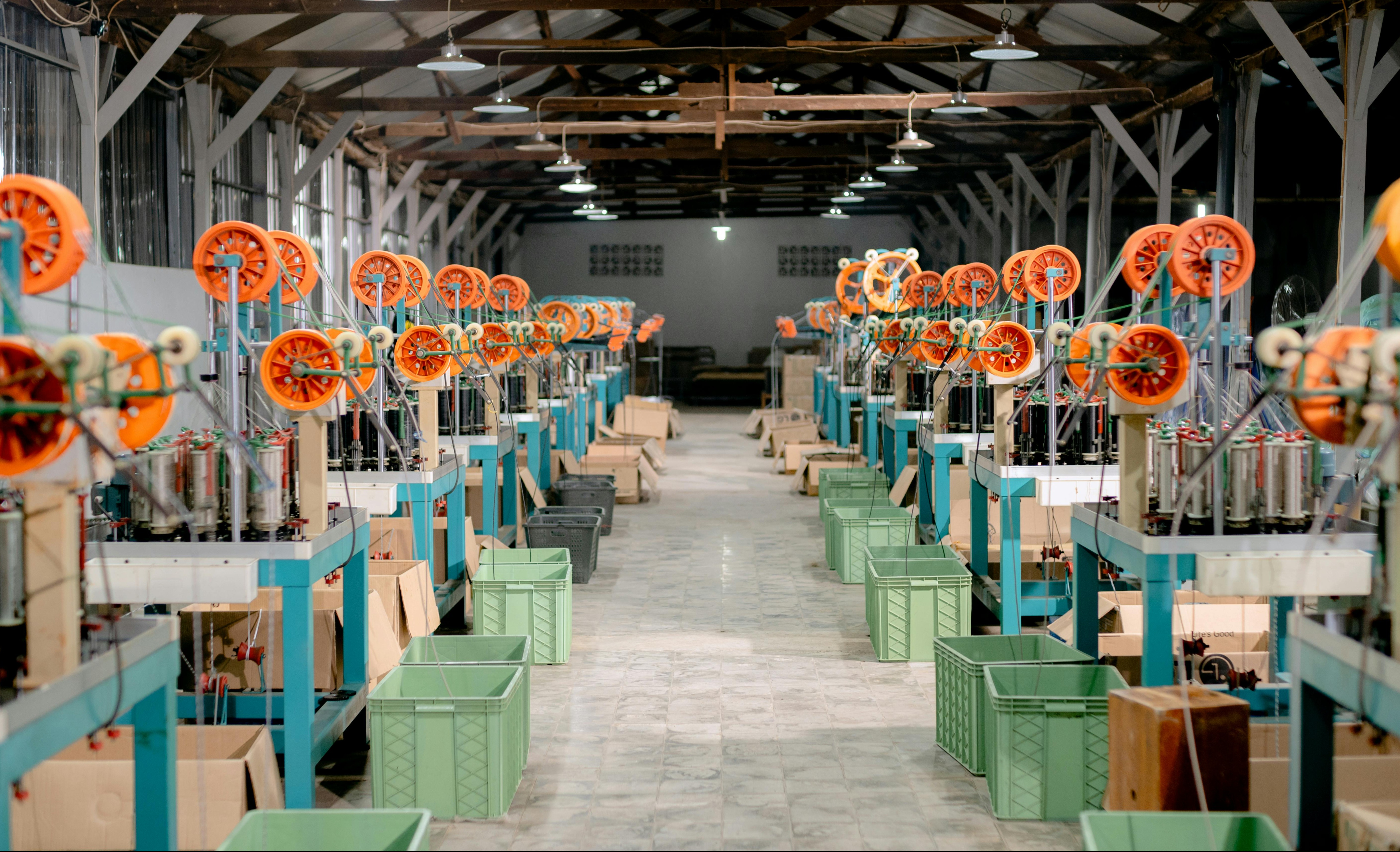
Manufacturing cybersecurity has become a core priority as production environments grow more connected and data-driven. Cybersecurity for manufacturing is no longer limited to protecting office IT systems. It now extends deep into operational technology, where disruptions can halt production, damage equipment, and impact safety.
For manufacturing professionals and leaders, the challenge is clear. Digital transformation brings efficiency and visibility, but it also expands the attack surface. Understanding how to secure modern manufacturing environments is essential for operational resilience and long-term growth.
Introduction to Manufacturing Cybersecurity
Manufacturers are rapidly adopting connected systems, cloud platforms, and industrial IoT devices. These changes improve productivity but introduce new vulnerabilities. Cyber threats now target production lines directly, not just corporate networks.
Cybersecurity for manufacturers is now a business risk issue. A single breach can stop operations, delay shipments, and affect customer trust. This shift requires leadership attention and cross-functional alignment between IT, operations, and executive teams.
What Is Manufacturing Cybersecurity?
Manufacturing cybersecurity refers to protecting both IT and OT systems within production environments. IT systems manage data, communication, and enterprise applications. OT systems control machines, sensors, and industrial processes.
Unlike traditional cybersecurity, manufacturing environments must prioritize uptime and safety. Many systems are legacy-based and cannot be easily patched or replaced. This creates unique challenges that require specialized tools and strategies.
Why Cybersecurity for Manufacturers Is Increasingly Urgent
Rise of Connected Factories
Smart factories rely on interconnected devices and real-time data exchange. While this improves efficiency, it creates more entry points for attackers. Each connected asset increases the need for visibility and control.
Targeted Attacks on Industrial Systems
Manufacturing has become a prime target for ransomware and advanced persistent threats. Attackers know that downtime is costly, which increases the likelihood of ransom payments. Some attacks also focus on intellectual property or sabotage.
Cost of Downtime and Disruption
Unplanned downtime can cost manufacturers millions in lost production and recovery efforts. Cyber incidents also impact supply chains, customer commitments, and regulatory compliance. The financial and operational risks are significant.
Common Cybersecurity Risks in Manufacturing
Legacy Systems and Unpatched Software
Many factories rely on older systems that were not designed with security in mind. These systems often lack updates, making them vulnerable to known exploits.
IT and OT Convergence Challenges
As IT and OT systems integrate, visibility gaps emerge. Security teams may lack insight into OT environments, while operations teams may not prioritize cybersecurity controls.
Third-Party and Supply Chain Risks
Manufacturers depend on vendors, suppliers, and contractors. Each external connection introduces risk. Compromised partners can become entry points for attackers.
Insider Threats and Human Error
Employees and operators play a critical role in security. Misconfigured access, weak passwords, and phishing attacks can lead to breaches. Training and governance are essential.
Key Components of an Effective Manufacturing Cybersecurity Strategy
- Asset Visibility and Inventory Management: You cannot secure what you cannot see. Manufacturers must maintain a complete inventory of all connected devices across IT and OT environments.
- Network Segmentation and Access Control: Segmenting networks helps isolate critical systems and reduce the spread of threats. Access should be restricted based on roles and responsibilities.
- Continuous Monitoring and Threat Detection: Real-time monitoring enables faster detection of anomalies and threats. This is especially important in OT environments where disruptions must be minimized.
- Incident Response and Recovery Planning: Manufacturers need clear response plans to contain and recover from incidents. This includes backup systems, communication protocols, and recovery procedures.
- Compliance and Industry Standards: Frameworks such as NIST, IEC 62443, and ISO standards provide guidance. Aligning with these frameworks helps ensure consistency and regulatory readiness.
How to Evaluate Cybersecurity Solutions for Manufacturing
- Compatibility with OT Environments: Solutions must operate without disrupting production. Passive monitoring and non-intrusive deployment are often required.
- Scalability Across Facilities: Manufacturers often operate multiple plants. Security solutions must scale across locations while maintaining centralized visibility.
- Ease of Integration with Existing Systems: Interoperability is critical. Tools should integrate with existing IT and OT systems to avoid silos.
- Vendor Expertise in Industrial Security: Vendors with deep knowledge of industrial environments provide more relevant capabilities and support.
Leading Cybersecurity Tools for Manufacturing Environments
Claroty
Claroty focuses on industrial cybersecurity with strong asset visibility and network monitoring capabilities. It helps organizations map and secure complex OT environments.
Key features include deep asset discovery, risk assessment, and threat detection tailored for industrial systems. It integrates with existing security tools to provide broader visibility.
This is best for organizations that need detailed visibility across complex OT networks. One downside is that implementation may require specialized expertise and careful planning.
Nozomi Networks
Nozomi Networks provides real-time monitoring and anomaly detection for OT and IoT environments. It is designed to detect unusual behavior that could indicate threats.
Key features include continuous monitoring, AI-driven analytics, and strong protocol support for industrial systems. It also offers scalability for large environments.
This is best for manufacturers focused on continuous monitoring and rapid threat detection. One downside is that large deployments may require tuning to manage alert volume.
Dragos
Dragos is an OT-focused cybersecurity platform with strong threat intelligence capabilities. It is designed specifically for industrial control systems.
Key features include threat detection, incident response support, and detailed threat intelligence tailored to industrial sectors. It also provides expert services.
This is best for enterprises that need advanced threat intelligence and response capabilities. One downside is that cost may be a concern for smaller manufacturers.
Palo Alto Networks (Industrial OT Security)
Palo Alto Networks extends enterprise-grade security into OT environments. It offers integrated protection across IT and OT systems.
Key features include network security, threat prevention, and centralized management. It is particularly useful for organizations already using Palo Alto solutions.
This is best for companies seeking unified IT and OT security under one platform. One downside is the complexity of configuration in hybrid environments.
Microsoft Defender for IoT
Microsoft Defender for IoT provides agentless monitoring and integrates with the broader Microsoft security ecosystem. It offers visibility into industrial and IoT devices.
Key features include asset discovery, vulnerability management, and integration with cloud-based security tools. It works well in Microsoft-centric environments.
This is best for manufacturers already using Microsoft infrastructure and cloud services. One downside is that it may be less specialized for highly complex OT environments.
Implementation Challenges in Manufacturing Cybersecurity
Balancing Security with Production Uptime
Security updates and controls must not disrupt operations. This often delays implementation and increases risk exposure.
Skills Gap in OT Cybersecurity
There is a shortage of professionals with expertise in both cybersecurity and industrial systems. This makes implementation and management more difficult.
Budget Constraints and ROI Justification
Cybersecurity investments can be hard to justify without clear ROI metrics. However, the cost of inaction is often much higher.
Best Practices for Strengthening Cybersecurity in Manufacturing
- Conduct Regular Risk Assessments: Continuous risk assessments help identify vulnerabilities and prioritize actions.
- Train Employees and Operators: Security awareness training reduces the risk of human error and insider threats.
- Segment and Secure Critical Systems: Isolating critical assets limits the impact of potential breaches.
- Establish Incident Response Playbooks: Preparedness improves response speed and reduces operational disruption.
The Future of Cybersecurity for Manufacturing
Manufacturing cybersecurity will continue to evolve with technology. AI-driven threat detection will improve response times. Zero trust architectures will become more common. Regulatory requirements will also increase, pushing manufacturers toward more mature security practices.
Leaders must stay proactive and continuously adapt their strategies.
Conclusion: Building Resilient Manufacturing Operations Through Cybersecurity
Cybersecurity for manufacturing is now a strategic priority. It protects not only data, but also production, safety, and reputation.
Manufacturers that invest in the right strategies and tools will be better positioned to handle evolving threats. A strong cybersecurity foundation enables resilience, operational continuity, and long-term success in an increasingly connected world.