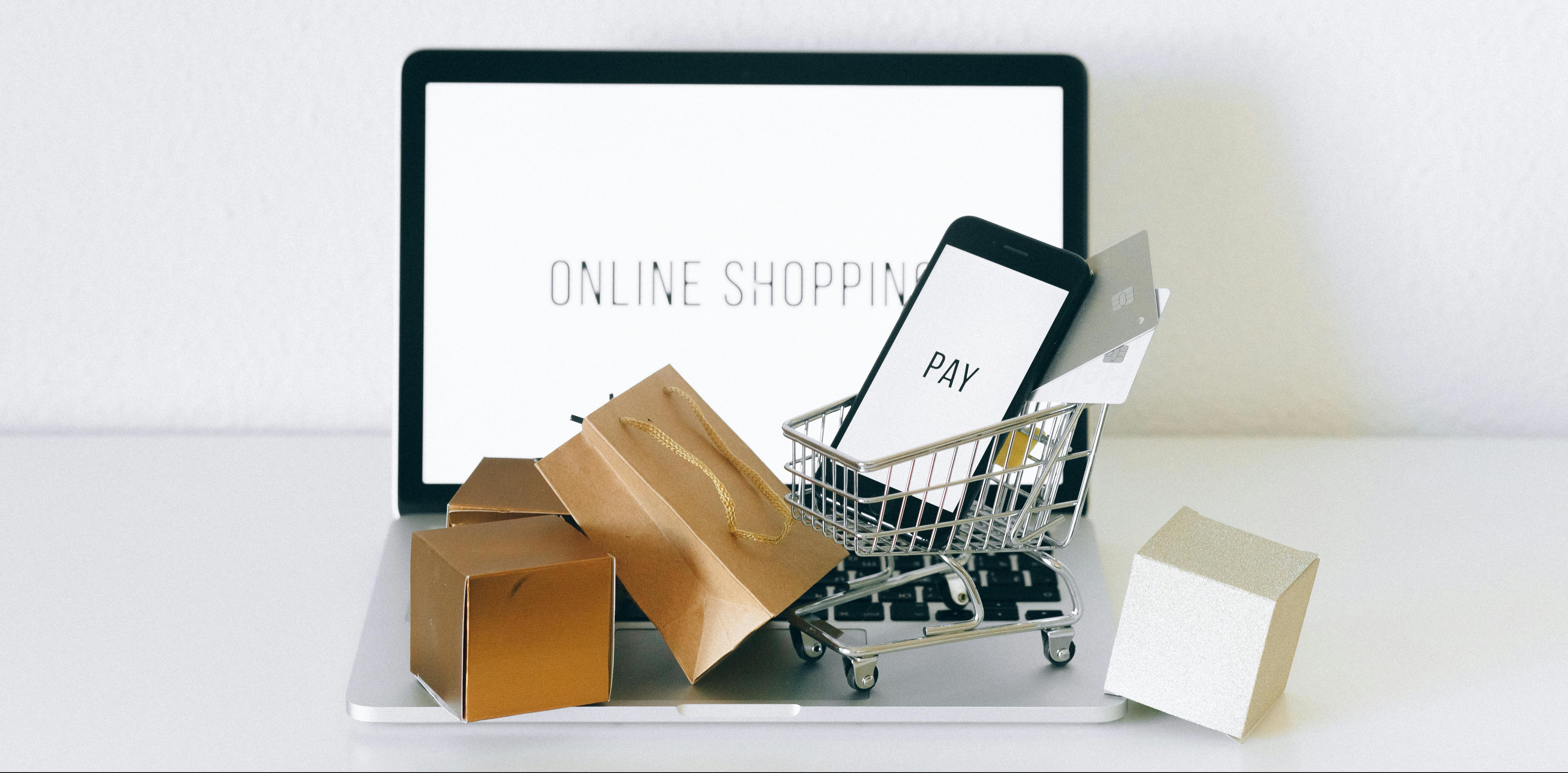
Retail marketing in 2025 is undergoing a seismic shift. It’s no longer confined to traditional product displays or seasonal sales. Today’s strategies fuse digital innovation with in-store experiences, driven by real-time data and evolving customer expectations. As consumer behavior continues to change, retailers must rethink how they engage audiences across physical and digital touchpoints.
This article explores the foundations of retail marketing, highlights emerging trends like hyper-personalization and social commerce, and offers practical strategies to future-proof your retail marketing approach in an increasingly competitive landscape.
Retail marketing has significantly evolved in the past few years. It's not just about doing simple product displays and seasonal promotions. It's now about a sophisticated blend of in-store experiences and customer-centric strategies.
Consumer behavior is now continuously shifting. Marketers must rethink how they approach retail and marketing in tandem to remain competitive. This blog post aims to navigate the modern retail landscape, and how to go about creating a winning retail marketing strategy in 2025.
What is Retail Marketing?
Retail marketing refers to the strategies and tactics used by retailers to attract customers to their stores, whether it be physical or digital, and drive purchases. It's all about understanding what the customer needs and delivering value through the right mix of products, pricing, placement, and promotions.
Traditional retail and marketing strategies once revolved around window displays and weekly flyers. But that's not the case anymore due to the rise of ecommerce and online shopping. Today's ecosystem is diverse. It includes influencer collaborations, mobile applications, and hyper-personalized advertising, which are all part of making an effective and strategic retail digital marketing plan.
The Core Pillars of Retail Marketing
Marketers should focus on the 4Ps that form the foundation of any retail marketing strategy. These form a blueprint for effective retail and marketing execution.
Product: The inventory should be aligned with customer demand using real-time analytics.
Price: Use psychological pricing and dynamic pricing models to stay competitive.
Place: Optimize both online and offline channels for a seamless customer experience.
Promotion: Run integrated campaigns that span email, social media, in-store events, and influencer partnerships.
Top Retail Marketing Trends in 2025
The retail landscape has changed over the years, and this was brought about by evolving consumer behaviors, emerging technologies, and a demand for richer and more personalized experiences.
Marketers should understand that these changes are important in developing a future-ready retail marketing strategy. With that said, here are the top trends that will define retail and marketing in 2025:
Hyper-Personalization
Segmentation is a strategy made for digital marketing, but that’s not the same case for retail marketing. Instead, treating customers as individuals, not segments, is the way to go. In 2025, hyper-personalization will be made possible with tools and innovation such as artificial intelligence (AI) and machine learning (ML).
Customers are now expecting curated product recommendations, dynamic pricing, and personalized promotions that are based on their unique behaviors and preferences. Once you focus on personalized experiences, this can result in boosted conversions and sales.
Retail Digital Marketing Integration
The combination of physical and digital experiences, also known as "phygital", are redefining what it means to shop. Brick-and-mortar stores are still navigating their way through post-pandemic. Since digital shopping recently gained traction over the years, the physical aspect of it is being integrated into retail digital marketing efforts.
You can integrate physical experiences into your digital platforms through in-store digital tools (augmented reality (AR) mirrors, mobile-based checkout, and app integrations) or online store enhancements (virtual store walkthroughs, live video consultations, and digital styling sessions).
Social Commerce Boom
The use of social media platforms such as Instagram, TikTok, and YouTube aren't just for entertainment and brand awareness, they are fully functional sales channels. Incorporating these platforms is now included in planning successful retail and marketing strategies.
Some of the things you may want to focus on are video commerce, shoppable posts, livestream commerce, influencer collaborations, and user-generated content that links directly to products. It's important to note that there's a shift in consumer behavior.
Younger shoppers, particularly Gen Zs, who use mobile applications and do online shopping more frequently, are discovering and buying products directly from their social feeds instead of the brand's website.
Sustainable Retail Practices
Consumers nowadays aren't simply buying products for the sake of buying them. They're scrutinizing and supporting brands depending on the brand's values. Being a sustainable brand is now a competitive differentiator. Shoppers are choosing retailers who prioritize environmental and ethical practices.
You can practice being a sustainable brand by switching to eco-friendly packaging, using transparent sourcing, offering buy-back and recycling programs, and offering carbon-neutral shipping as an option. Once you've successfully incorporated these into your pipelines, you should also incorporate this into your marketing communications. Plan an effective storytelling that highlights your brand's commitment to sustainability.
Retail Marketing Strategies for Marketers
The retail landscape is becoming increasingly competitive. That's why as marketers; you need more than just creative campaigns to create effective retail marketing. They need smart, data-driven strategies that are aligned with evolving customer expectations. Here are some ways you can do to develop and strengthen your retail marketing strategy in 2025:
1. Understand the Customer Journey
To have an effective marketing strategy, you must first understand who your customers are and how they move through the funnel. This goes for both online and offline platforms. You can use customer journey mapping tools to help you identify friction points, and decision triggers. Create tailored campaigns for each stage - from building customer awareness to loyalty.
2. Use first-party data for personalization
Collect first-party data from your users whenever you can. Give them incentives like vouchers or discount codes if they answer quizzes or surveys. You can then use the data you've collected to power personalized email campaigns, product recommendations, and retargeting ads.
3. Activate omnichannel campaigns
Some customers may not be able to distinguish the difference between a store's online and offline platform. Instead, they're expecting a consistent experience across both channels. So, whatever they're experiencing in your physical store, you should also replicate seamlessly into your online platform.
They want the full omnichannel experience. You can do this by integrating your CRM, POS, and ecommerce platforms to unify your messaging and promotions among your platforms. Run campaigns that span physical stores (displays and QR codes) and digital.
4. Use automation to scale
When you're selling on digital and physical platforms, your attention is divided. The tools and software that you may be using when you're only selling on your physical store may not be applicable once you expand when you also have your online stores. Investing in tools like HubSpot can help you automate your workflows, from cart abandonment to win-back sequences.
Conclusion
Retail marketing in 2025 is more dynamic, data-driven, and customer-centric than ever before. With the lines between physical and digital shopping blurring, marketers must adapt by embracing personalization, automation, and immersive brand experiences.
Whether you're building a new retail marketing strategy or optimizing an existing one, success lies in understanding evolving consumer expectations and leveraging the right technologies to meet them. By combining creative storytelling with smart data practices, you can deliver meaningful experiences that drive both loyalty and revenue in this new era of retail and marketing.