- What Is MES Software?
- Why MES Software Matters for Manufacturing Leaders
- Common Challenges MES Software Is Designed to Solve
- Key Capabilities to Look for in MES Manufacturing Software
- Leading MES Software Solutions for Manufacturing
- How to Choose the Right MES Software for Your Operation
- The Future of MES System Software
- Final Thoughts for Manufacturing Leaders
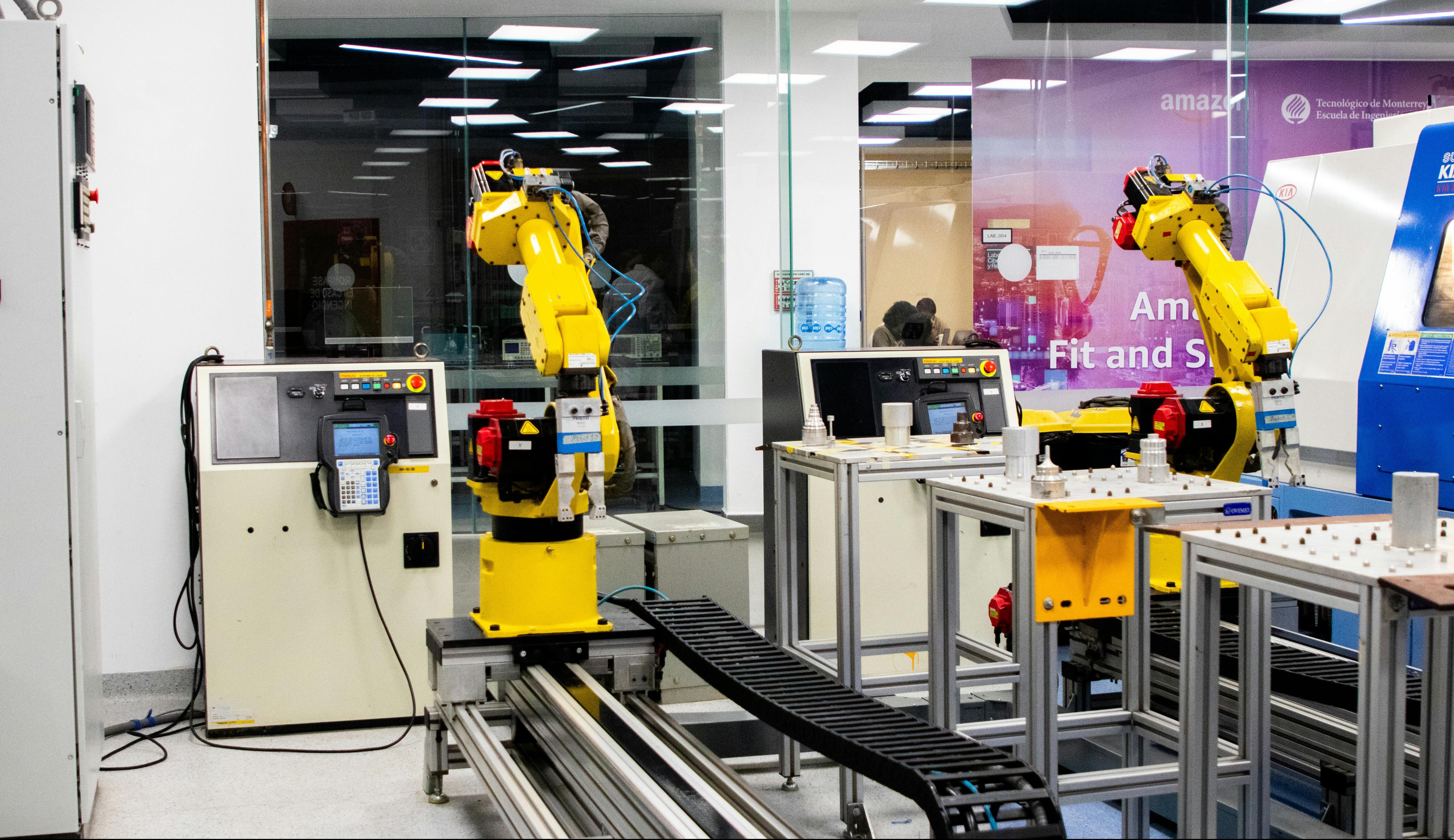
Manufacturing leaders face constant pressure to increase output, reduce downtime, and maintain quality, all while managing rising costs and workforce complexity. Many organizations still rely on delayed reports or disconnected systems to understand what is happening on the shop floor.
MES software addresses this gap by providing real-time visibility into production and turning operational data into actionable insight. As digital manufacturing matures, MES production software has become a core system for manufacturers focused on performance, traceability, and continuous improvement.
What Is MES Software?
MES software, or Manufacturing Execution System software, is designed to manage, monitor, and control production activities on the shop floor. It sits between ERP systems, which handle planning and business processes, and automation or machine-level systems, which control equipment. MES manufacturing software focuses on execution, ensuring that what was planned is what actually happens in production.An MES system software platform tracks work orders, materials, labor, quality events, and equipment performance in real time. This creates a single source of truth for production operations and allows leaders to make decisions based on current conditions rather than historical reports.
Core Functions of an MES System
Most MES software platforms share a set of core capabilities. These include real-time production tracking, work order execution, labor and machine data collection, quality management, and traceability. Advanced systems also support scheduling feedback, performance analytics, and compliance documentation.
The value of these functions lies in their integration. MES production software connects people, processes, and machines into a unified operational view.
MES Software vs ERP and SCADA
ERP systems focus on planning, finance, and supply chain management. SCADA systems focus on machine control and data acquisition. MES manufacturing software bridges the two. It translates production plans into executable instructions and feeds actual performance data back to ERP. This integration allows manufacturers to align operational execution with business goals.
Why MES Software Matters for Manufacturing Leaders
For manufacturing leaders, MES software is not just a technology investment. It is a management tool that improves control and accountability across operations.
Improving Production Visibility and Control
Real-time visibility is one of the primary reasons manufacturers adopt MES system software. Leaders can see production status, downtime, and bottlenecks as they occur. This allows supervisors to intervene earlier, reduce unplanned downtime, and keep production on track.
Instead of relying on end-of-shift reports, MES manufacturing software provides live dashboards that reflect current performance against targets.
Supporting Continuous Improvement and Lean Initiatives
Continuous improvement depends on accurate data. MES production software captures standardized production metrics such as cycle time, scrap rates, and overall equipment effectiveness. This data supports lean manufacturing, Six Sigma, and other operational excellence initiatives.
By identifying trends and root causes, MES software helps teams move from reactive problem solving to structured improvement.
Common Challenges MES Software Is Designed to Solve
MES adoption is often driven by specific operational pain points that limit scalability and performance.
Manual Data Collection and Reporting Gaps
Paper-based reporting and spreadsheets create delays and inaccuracies. Data is often incomplete or inconsistent, making it difficult to trust performance metrics. MES system software automates data collection and standardizes reporting, improving accuracy and timeliness.
Inconsistent Quality and Traceability
Quality issues are costly, especially in regulated industries. MES manufacturing software enforces process steps, records quality checks, and maintains full traceability for materials and finished goods. This supports faster root cause analysis and more effective corrective actions.
Production Bottlenecks and Downtime
Without real-time insight, bottlenecks often go unnoticed until output suffers. MES production software highlights constraints, tracks downtime reasons, and helps teams focus improvement efforts where they have the greatest impact.
Key Capabilities to Look for in MES Manufacturing Software
Not all MES software platforms are the same. Manufacturing leaders should evaluate solutions based on their operational needs and long-term strategy.
Real-Time Production Monitoring
Dashboards, alerts, and KPIs are essential. The best MES system software provides role-based views for operators, supervisors, and executives, ensuring that each group sees relevant information.
Integration With ERP, Machines, and IoT Systems
Integration is critical for data accuracy and scalability. MES manufacturing software should connect easily with ERP systems, PLCs, and industrial IoT platforms. Poor integration creates data silos and limits value.
Configurability and Industry Fit
Manufacturing environments vary widely. Discrete, process, and hybrid manufacturers have different requirements. MES production software should support configurable workflows and industry-specific needs without excessive customization.
Leading MES Software Solutions for Manufacturing
Several MES software platforms are widely adopted across industries. Each has strengths and limitations that manufacturing leaders should consider.
Siemens Opcenter
Siemens Opcenter is an enterprise-grade MES manufacturing software platform designed for complex and global manufacturing operations. It offers deep process control, advanced quality management, and strong support for regulated environments.
This solution is best for large manufacturers with complex processes, multiple sites, or strict compliance requirements. One downside is that implementation can be complex and resource-intensive, making it less suitable for smaller organizations with limited IT capacity.
Rockwell FactoryTalk Production Centre
Rockwell FactoryTalk Production Centre is closely aligned with Rockwell Automation hardware and control systems. It provides strong integration with shop floor automation and detailed production tracking. This MES production software is best for manufacturers already invested in the Rockwell ecosystem. A limitation is that organizations outside this ecosystem may require significant customization to achieve the same level of integration.
SAP Manufacturing Execution (SAP ME and MII)
SAP ME and MII extend SAP’s ERP environment into manufacturing execution. They enable tight integration between production and business data, supporting standardized processes across global operations. This MES system software is best for organizations running SAP ERP that want a unified data model. One challenge is reduced flexibility in non-SAP environments and a steeper learning curve for shop floor users.
Tulip
Tulip represents a newer generation of MES manufacturing software focused on flexibility and speed. Its low-code approach allows manufacturers to build custom shop floor applications quickly. Tulip is best for organizations seeking rapid deployment and adaptable workflows. A potential drawback is that it may lack the depth required for highly complex or heavily regulated manufacturing processes.
How to Choose the Right MES Software for Your Operation
Selecting MES production software requires balancing current needs with future growth.
Aligning MES Capabilities With Business Goals: Manufacturers should start by defining the problems they want to solve. Some organizations prioritize visibility and reporting, while others focus on quality, compliance, or labor efficiency. Choosing an MES system software that aligns with these goals reduces complexity and improves ROI.
Implementation, Change Management, and Training: Technology alone does not deliver results. Successful MES adoption requires process alignment, user training, and change management. Manufacturing leaders should plan for phased implementation and involve shop floor users early to drive adoption.
The Future of MES System Software
MES software continues to evolve as manufacturing becomes more connected and data-driven.
MES and Smart Factory Initiatives
MES manufacturing software plays a central role in smart factory and Industry 4.0 initiatives. It connects production data with analytics platforms, digital twins, and advanced planning tools, enabling more adaptive operations.
Cloud, Low-Code, and AI in MES Platforms
Cloud deployment models are reducing infrastructure complexity and improving scalability. Low-code tools are making MES production software more accessible to operations teams. Artificial intelligence is beginning to support predictive quality and maintenance use cases, further extending the value of MES systems.
Final Thoughts for Manufacturing Leaders
MES software has moved from a niche operational tool to a strategic platform for manufacturing performance. By providing real-time visibility, enforcing standardized processes, and supporting continuous improvement, MES system software helps leaders run more resilient and efficient operations. The right solution depends on operational complexity, existing systems, and long-term goals. For manufacturing leaders focused on execution excellence, MES manufacturing software is no longer optional.