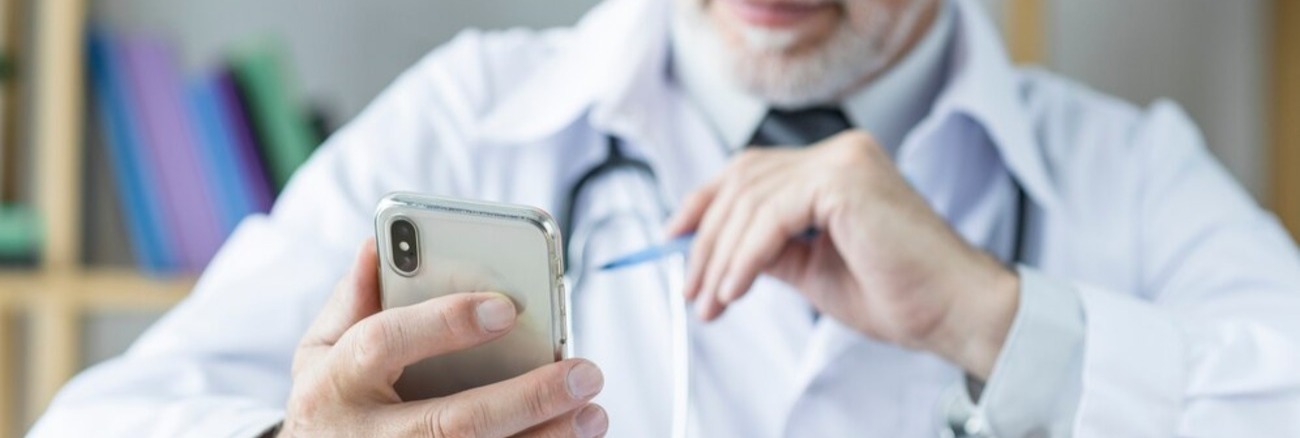
Mobile medical technology is revolutionizing healthcare, offering unprecedented access to care, enhancing patient engagement, and improving overall health outcomes. By leveraging mobile devices and applications, healthcare providers can deliver more efficient, personalized, and cost-effective care.
This guide explores the key benefits of mobile medical technology and how it is transforming the healthcare landscape.
1. Enhanced Access to Healthcare
Mobile medical technology significantly improves access to healthcare services, particularly for individuals in remote or underserved areas. Patients can consult with healthcare providers from the comfort of their homes through telemedicine and mobile health applications.
- Telemedicine
Telemedicine allows healthcare professionals to treat patients through remote consultations, reducing the need for travel and making it easier to access specialist care.
- Mobile Health Clinics
Healthcare organizations can utilize mobile technology to deliver on-site care and diagnostic services in rural or underserved communities.
- Appointment Scheduling
Several mobile apps now allow patients to book, reschedule, or cancel appointments conveniently.
2. Improved Patient Engagement and Adherence
Mobile technology empowers patients to be more active in managing their health. With health apps and wearable devices, patients can track their health metrics, set medication reminders, and receive personalized health tips.
- Health Tracking Apps
These applications can monitor vital signs, physical activity, and dietary habits, providing real-time feedback and promoting healthier lifestyles.
- Medication Reminders
This software ensures patients take their medications as prescribed, reducing the risk of missed doses and improving treatment outcomes.
- Personalized Health Tips
Apps have been developed to deliver tailored advice based on individual health data, helping patients make informed decisions about their care.
3. Streamlined Clinical Workflows
Mobile medical technology enhances clinical efficiency by streamlining workflows and improving communication among healthcare providers.
- Electronic Health Records (EHRs)
EHRs allow mobile access, helping healthcare providers update patient information, review medical histories, and share data with colleagues in real-time.
- Clinical Decision Support
Mobile apps can offer decision support tools that provide evidence-based guidelines, improving diagnostic accuracy and treatment plans.
- Communication Tools
Secure messaging apps help facilitate quick communication among healthcare teams, enhancing coordination and patient care.
4. Enhanced Diagnostic and Monitoring Capabilities
Mobile medical technology enables more precise and continuous monitoring of patients, leading to better diagnosis and management of chronic conditions.
- Remote Monitoring Devices
Remote monitoring solutions help track patients' health metrics, such as blood pressure, glucose levels, and heart rate. These devices can also alert providers to potential issues before they become critical.
- Diagnostic Apps
Diagnostic applications work with smartphone cameras and sensors to perform basic diagnostic tests, such as skin lesion analysis or eye exams, increasing the availability of diagnostic services.
- Wearable Devices
Wearables enable healthcare professionals to continuously monitor vital signs and physical activity, providing valuable data for managing chronic diseases and promoting preventative care.
5. Cost-Effective Healthcare Delivery
By reducing the need for in-person visits and hospital readmissions, mobile medical technology helps lower healthcare costs for both patients and providers.
- Telehealth Services
Patients enjoy lower travel expenses and don't need to take time off work to access telehealth services. Similarly, telehealth reduces healthcare facilities' overhead costs, freeing up resources for direct patient care.
- Preventative Care
Mobile medical services encourage early intervention and regular monitoring, preventing complications and expensive emergency treatments.
6. Increased Patient Satisfaction
Mobile medical technology enhances the patient experience by offering convenient, timely, and personalized care options.
- Convenience
Patients appreciate the ability to consult with healthcare providers, access health information, and manage appointments through mobile devices.
- Timely Interventions
Mobile technology facilitates prompt responses to patient inquiries and health concerns, improving patient satisfaction and trust in healthcare providers.
- Personalized Care
Tailored health recommendations and monitoring provide a more individualized approach to healthcare, addressing patients' unique needs and preferences.
A Final Word on Mobile Medical Technology
Mobile medical technology is a powerful tool that is reshaping the healthcare industry. By improving access to care, enhancing patient engagement, streamlining clinical workflows, and offering cost-effective solutions, mobile technology is poised to drive significant advancements in patient care and health outcomes.
As healthcare providers continue to integrate mobile technology into their practices, the benefits for both patients and the healthcare system will only continue to grow, paving the way for a more efficient, personalized, and accessible healthcare future.