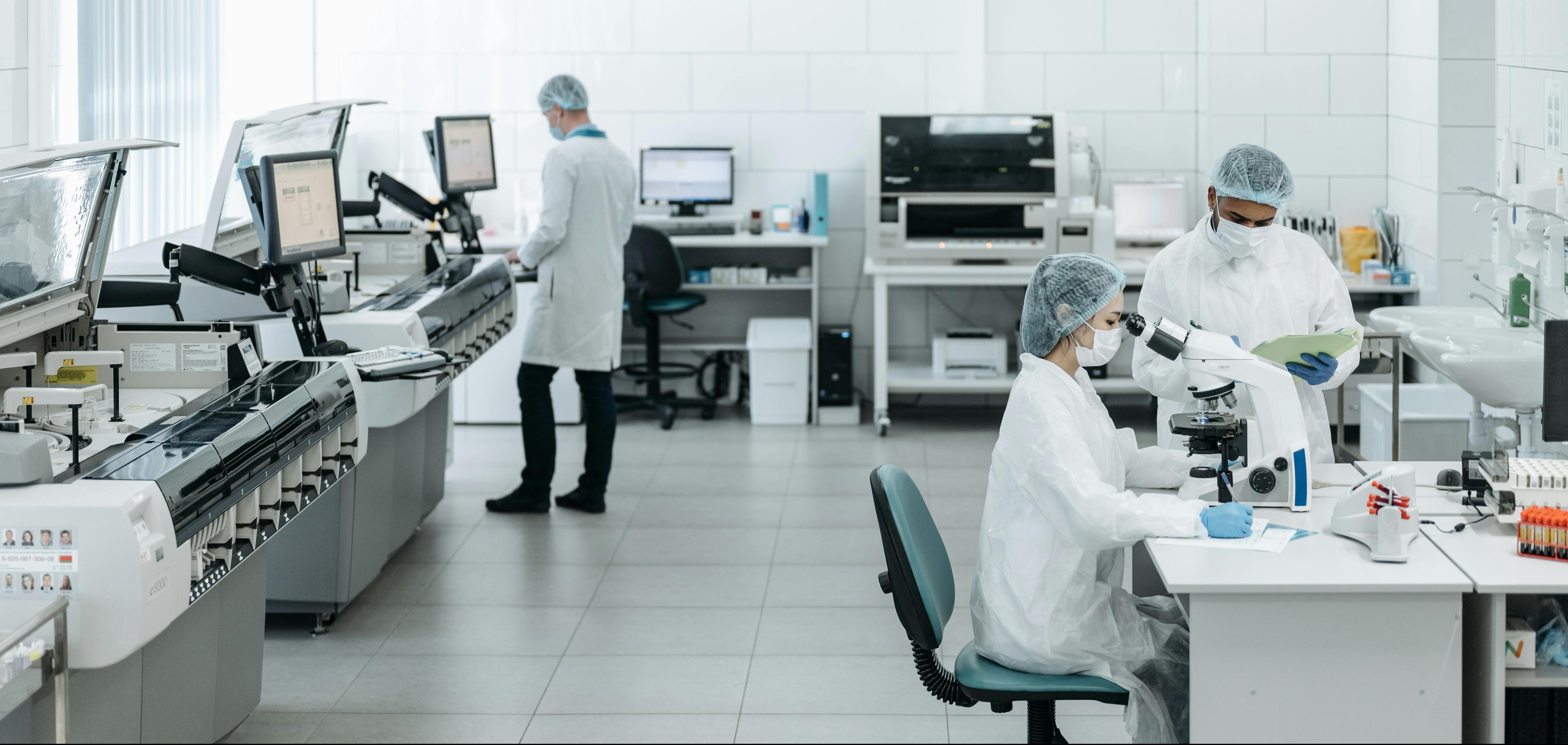
In today's healthcare environment, laboratories are the heart of diagnostics and research. They play a critical role in patient care and scientific discovery. However, managing laboratory operations effectively is no small feat.
Healthcare personnel still have to comply with strict regulations and maintain high throughput and accuracy. They are constantly faced with immense pressure to modernize their laboratory environments. The advent of advanced tools and software has revolutionized how laboratories operate, making it possible to streamline workflows, reduce errors, and deliver results faster than ever before.
This article explores the importance of efficient laboratory operations, highlights top-rated tools available, and provides insights into how healthcare professionals can leverage these technologies to optimize their laboratories.
The Importance of Efficient Laboratory Operations
Efficient laboratory operations are the cornerstone of high-quality healthcare services. They encompass everything from sample collection, testing, and analysis to data management, reporting, and compliance documentation.
When laboratories operate smoothly, clinicians receive timely and accurate diagnostic results, enabling them to make informed decisions that directly impact patient outcomes. However, challenges such as manual data entry, fragmented workflows, and increasingly stringent regulatory requirements can create bottlenecks that compromise efficiency and accuracy.
These issues are even more pronounced due to the high volume of tests processed daily, along with the need to adhere to standards like CLIA, HIPAA, and CAP. On the other hand, even in basic laboratory operations, such as small-scale diagnostic labs or research environments, managing workflows without digital tools often results in errors, delayed reporting, and compliance risks. This growing complexity has led to a surge in the adoption of software solutions and automation tools designed to modernize laboratory workflows.
Transforming Laboratory Operations with Tools and Software
Modernizing laboratory operations requires adopting tools that centralize data, automate repetitive processes, and enhance collaboration. Healthcare professionals now have access to an impressive array of Laboratory Information Management Systems (LIMS), Electronic Lab Notebooks (ELNs), and workflow automation tools. Let’s take a look at some of them:
1. LabWare LIMS
This is a comprehensive system designed to manage samples, test results, and associated data with exceptional precision. Its highly customizable features enable laboratories to adapt workflows to their unique requirements while ensuring compliance with regulatory standards.
It is known for robust reporting tools and scalability across multi-site operations. Initial setup can be complex, which may require extensive staff training to maximize its capabilities.
2. STARLIMS
This tool offers an integrated suite of solutions that combines LIMS, ELN, and Scientific Data Management System (SDMS) functionalities. STARLIMS stands out for its user-friendly interface and ability to facilitate mobile access, making it a popular choice for clinical laboratories where remote access to data is increasingly important.
It can easily be integrated with instruments and legacy systems, but note that it may require a dedicated IT resource when extensive customization is needed.
3. Thermo Scientific SampleManager LIMS
This is another powerful tool, combining multiple functions into one platform. It is designed for laboratories that require end-to-end process automation. This LIMS supports everything from data collection to compliance documentation.
One of its pros is its robust integration capabilities, particularly for complex lab environments. However, implementing the system may require significant planning and technical expertise.
4. Benchling
Beyond LIMS, healthcare professionals are increasingly turning to cloud-based ELNs to replace traditional paper notebooks. Benchling is known for its intuitive design and built-in molecular biology tools, making it particularly appealing for research-intensive environments.
Users appreciate how its real-time collaboration features have transformed their team-based projects. However, some also note that offline functionality remains limited.
5. PerkinElmer Signals Notebook
This tool offers a compelling ELN solution. It enables secure cloud storage, seamless integration with analytical instruments, and compliance support. Many reviews commend its robust data security and ease of use, though they suggest that its customization options could be further expanded to cater to niche workflows.
6. LabArchives
It provides a user-friendly platform for organizing and sharing research data with healthcare professionals praising its ability to facilitate collaboration and maintain version control, even in basic laboratory operations.
Final Thoughts
Optimizing laboratory operations is essential for healthcare professionals striving to deliver accurate, timely, and compliant diagnostic services.
By adopting advanced tools like LabWare LIMS, STARLIMS, Benchling, and others, laboratories can transform fragmented workflows into seamless, efficient systems. Whether managing complex clinical laboratory operations or streamlining basic laboratory tasks, leveraging these technologies empowers teams to enhance productivity, reduce errors, and meet the growing demands of modern healthcare. Investing in the right software solutions today paves the way for smarter, more agile laboratories of the future.