- What Are Robotic Inspections?
- Why Maintenance Teams Use Inspection Robots
- Common Types of Industrial Inspection Robots
- Pipe Inspection Robots
- Pipeline Robotic Inspection
- Sewer Robot Inspection
- Crawl Space Inspection Robots
- Other Industrial Robotic Inspection Applications
- Sensors Used in Robotic Inspections
- How to Choose a Robotic Inspection Solution
- Ownership vs. Inspection-as-a-Service
- Challenges and Limitations
- How to Implement Robotic Inspections
- The Future of Robotics Inspection
- Frequently Asked Questions
- Conclusion
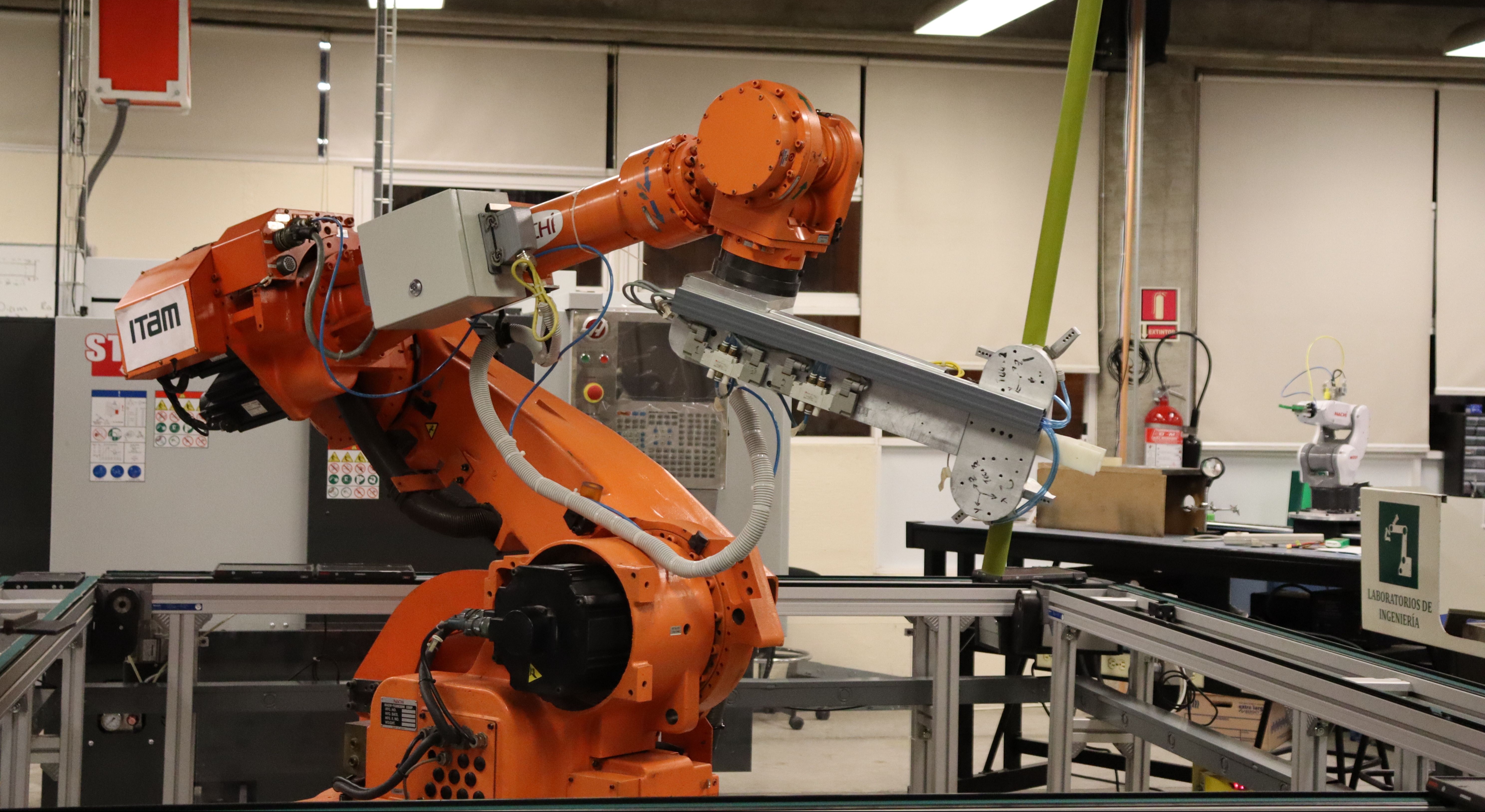
Robotic inspections are becoming an important part of modern maintenance programs. They allow teams to examine pipes, tanks, sewers, crawl spaces, and industrial equipment without placing workers in hazardous or difficult environments.
For maintenance professionals, the value is practical. Robotic inspection systems can reduce confined-space entry, shorten inspection time, improve documentation, and help teams identify defects before they cause unplanned downtime.
However, the right solution depends on the asset, operating environment, inspection objective, and sensor requirements. A robot that works well inside a sewer may not be suitable for process piping, pressure vessels, or plant inspection rounds.
This guide explains how robotic inspections work, where they deliver the most value, and what maintenance teams should consider before adopting them.
What Are Robotic Inspections?
Robotic inspections use remotely operated, semi-autonomous, or autonomous machines to examine assets and environments.
These systems may travel through pipes, climb metal surfaces, fly inside large structures, move beneath buildings, or follow scheduled routes around industrial facilities. Cameras and sensors collect information that maintenance teams can use to assess asset condition.
A typical robotics inspection process includes:
- Defining the inspection objective
- Selecting the appropriate robot and sensors
- Deploying the robot into the asset or work area
- Capturing images, measurements, and location data
- Reviewing and classifying potential defects
- Creating work orders or maintenance recommendations
Robots do not remove the need for trained inspectors. Instead, they improve access and data collection. Maintenance and reliability professionals still need to interpret findings and decide what action to take.
Why Maintenance Teams Use Inspection Robots
The strongest use cases involve hazardous access, costly shutdowns, repetitive inspection routes, or assets that are difficult to examine manually.
Improved Worker Safety
Industrial inspection robots can reduce the need for personnel to enter confined spaces, unstable structures, contaminated areas, or locations with limited ventilation.
This can be especially valuable in tanks, sewers, crawl spaces, boilers, and pipelines. Even when human entry is still required, robotic inspection can help teams understand conditions before workers enter.
Reduced Downtime
Manual inspections may require scaffolding, excavation, dismantling, cleaning, or extended shutdowns.
A robot may be able to enter through an existing access point and collect usable data with less disruption. This can shorten the inspection window and reduce production losses.
More Consistent Data
Robotic systems can capture video, thermal images, ultrasonic measurements, laser profiles, and environmental readings.
When the same route and sensor settings are used repeatedly, teams can compare asset condition over time. This supports trend analysis and more consistent maintenance decisions.
Earlier Defect Detection
Regular robotic inspections can help identify corrosion, cracks, leaks, deformation, blockages, damaged insulation, and abnormal temperatures before they become major failures.
Earlier detection gives maintenance teams more time to plan repairs, order parts, and coordinate shutdown work.
Common Types of Industrial Inspection Robots
Different inspection environments require different mobility systems.
Wheeled and Tracked Crawlers
Crawlers are commonly used inside pipes, ducts, tanks, tunnels, and other enclosed areas.
Tracked models can often handle debris and uneven surfaces better than wheeled systems. Wheeled robots may move more efficiently on smooth surfaces. Many crawlers use a tether for power, communication, and recovery.
Magnetic Wall-Climbing Robots
Magnetic robots attach to steel surfaces and move across tank walls, ship hulls, pressure vessels, and other metal structures.
They may carry cameras, ultrasonic thickness sensors, or surface inspection tools. These systems can reduce the need for scaffolding or rope access.
Inspection Drones
Drones are useful for roofs, towers, stacks, warehouses, bridges, and large indoor spaces.
They can quickly capture visual and thermal data. Their effectiveness may be limited by battery life, airflow, obstacles, lighting, and local operating restrictions.
Underwater Robots
Remotely operated underwater vehicles inspect submerged pipes, tanks, dams, reservoirs, and marine structures.
They can help teams avoid draining assets or sending divers into difficult environments.
Autonomous Inspection Robots
Some industrial inspection robots follow scheduled routes inside plants and facilities.
They may read gauges, capture thermal images, detect gas, monitor equipment sounds, or identify visible leaks. These systems are most valuable when inspection routes are standardized and repeated frequently.
Pipe Inspection Robots
A pipe inspection robot travels inside a pipe or enclosed network to collect condition data.
These robots are used in water systems, drainage networks, process piping, HVAC ducts, and industrial pipelines. They can help identify corrosion, blockages, joint separation, cracks, leaks, and internal deposits.
Common capabilities include:
- Pan-and-tilt cameras
- High-intensity lighting
- Distance tracking
- Laser profiling
- Ultrasonic testing
- Location mapping
- Defect measurement
The robot must match the pipe diameter, material, bend radius, internal condition, and access-point size.
A small robot may fit inside narrow pipes but struggle with debris or steep slopes. A larger robot may carry better sensors but require a wider entry point.
Pipeline Robotic Inspection
Pipeline robotic inspection is used in oil and gas, utilities, chemical processing, water infrastructure, and other sectors.Some tools move inside the pipeline with the product flow. These in-line inspection systems can measure wall loss, deformation, weld condition, and other integrity indicators.
External robotic crawlers may be used when internal access is unavailable. They can inspect coatings, welds, exposed sections, and external corrosion. Pipeline inspection projects require careful planning. Teams must consider pipe diameter, pressure, product type, bends, valves, operating conditions, and retrieval methods. The inspection data must also be linked to a specific location. A defect is difficult to repair if the maintenance team cannot determine where it is.
Sewer Robot Inspection
Sewer robot inspection is widely used in wastewater, drainage, and underground utility systems.
A sewer inspection robot typically includes a camera, lighting, distance counter, and recording system. More advanced equipment may include laser measurement, sonar, or pipe-mapping capabilities.
These robots can identify:
- Root intrusion
- Grease buildup
- Sediment
- Displaced joints
- Cracked pipe walls
- Water infiltration
- Collapsed sections
- Obstructions
The collected video allows teams to assess pipe condition without excavation.
Standardized defect coding can make the data more useful. It allows maintenance teams to compare pipe sections, prioritize repairs, and build long-term rehabilitation plans.
Crawl Space Inspection Robots
Crawl space inspection robots are designed to move beneath buildings and other low-clearance structures.
They may help maintenance professionals identify plumbing leaks, standing water, damaged insulation, pest activity, moisture problems, and visible structural defects.
These systems can reduce the need for technicians to crawl through tight, dirty, or potentially hazardous spaces.
However, crawl spaces create difficult operating conditions. Loose soil, debris, cables, insulation, low clearance, and poor connectivity can stop a robot from moving effectively.
Before deployment, teams should confirm ground conditions, entry dimensions, communication range, lighting, and recovery options.
Other Industrial Robotic Inspection Applications
Robotic inspection systems can also support several broader maintenance activities.
Tanks and Pressure Vessels
Robots can inspect internal walls, welds, coatings, corrosion, and deposits. Magnetic crawlers may collect ultrasonic thickness measurements on steel surfaces. This can reduce scaffolding and minimize worker exposure.
Boilers and Heat Exchangers
Specialized robots can examine tubes, combustion areas, headers, and internal surfaces. They can help locate deposits, cracking, thinning, and obstructions that affect performance or reliability.
Facility Inspection Rounds
Mobile robots can monitor gauges, valves, motors, pumps, electrical cabinets, and other equipment.
They may collect thermal, visual, acoustic, and environmental data during scheduled rounds. This is most effective in facilities with predictable layouts and repeatable inspection tasks.
Sensors Used in Robotic Inspections
The robot provides access, but the sensors determine what the team can detect.
- Visual Cameras: High-resolution cameras document surface damage, leaks, deposits, cracks, and corrosion. Camera effectiveness depends on lighting, lens cleanliness, viewing angle, and image stability.
- Thermal Imaging: Thermal cameras can identify overheating components, electrical faults, insulation problems, steam losses, and unusual temperature patterns. Thermal data should be interpreted in the context of equipment load and operating conditions.
- Ultrasonic Testing: Ultrasonic sensors measure material thickness and help identify internal defects. They are commonly used on metal pipes, tanks, vessels, and structural components.
- Gas and Environmental Sensors: Robots may carry sensors for toxic gas, oxygen level, temperature, humidity, radiation, or other environmental conditions. This can help teams understand hazards before sending personnel into an area.
- LiDAR and Laser Profiling: Laser and LiDAR systems create dimensional measurements or three-dimensional models. They may be used to detect pipe deformation, surface loss, structural movement, or changes in asset geometry.
- Acoustic and Vibration Sensors: Acoustic sensors can support leak detection and equipment monitoring. Vibration and sound data may also help identify bearing problems, mechanical looseness, or abnormal operating conditions.
How to Choose a Robotic Inspection Solution
Maintenance teams should begin with the inspection problem, not the robot.
Define the Inspection Objective
Identify the asset, suspected failure modes, required measurements, and decision the inspection must support. For example, a visual camera may be enough to confirm a blockage. It will not provide reliable wall-thickness data.
Evaluate Access Requirements
Review pipe diameter, entry-point dimensions, bends, slopes, obstacles, surface type, water level, and available clearance. The robot must be able to reach the target area and return safely.
Match Sensors to Failure Modes
Choose sensors based on the defects that matter. Corrosion, heat loss, cracking, leaks, and deformation may require different sensor packages.
Review Control and Navigation
Tethered robots provide reliable communication and easier recovery. However, the tether can limit range or become caught. Wireless robots offer greater freedom but may lose communication inside metal, underground, or reinforced structures. Autonomous systems can improve repeatability, but they need stable routes and reliable navigation.
Assess Data and Reporting
Review image quality, measurement accuracy, defect tagging, location tracking, export formats, and reporting tools. The output should support maintenance planning, not simply produce hours of video.
Consider Environmental Durability
Check temperature limits, ingress protection, chemical resistance, hazardous-location certification, and cleaning requirements. A robot designed for a dry commercial building may not be suitable for a chemical plant or wastewater environment.
Ownership vs. Inspection-as-a-Service
Organizations can purchase equipment, lease systems, or hire a specialist provider.
Ownership may make sense when inspections are frequent, standardized, and supported by trained internal staff.
A service model may be more practical for occasional inspections, specialized sensors, or complex environments. It also reduces the burden of equipment maintenance, calibration, training, and technology upgrades.
The decision should consider total utilization, inspection frequency, internal expertise, and the cost of downtime.
Challenges and Limitations
Robotic inspections are not suitable for every asset or environment.
Connectivity can fail in underground areas, long pipelines, steel vessels, or reinforced structures. Debris, water, sharp bends, steep slopes, and damaged surfaces can block movement.
Visibility may also be limited by poor lighting, condensation, dirt, reflective surfaces, or contaminated lenses.
Another challenge is data volume. A robot may collect large amounts of footage and sensor information. Without a structured review process, important defects can be missed.
Robotic systems also require maintenance. Batteries, tethers, wheels, tracks, cameras, seals, and sensors must be inspected and serviced. Teams should always plan for robot recovery. A failed robot inside a pipe or vessel can create an additional maintenance problem.
How to Implement Robotic Inspections
A phased approach can reduce risk and improve adoption.
Start with a high-value use case where manual inspection creates clear safety, cost, or downtime concerns.
Use the first inspection to create baseline data. Then standardize the route, sensor settings, defect categories, and reporting format.
Inspection findings should connect with the computerized maintenance management system or enterprise asset management platform. Defects can then trigger work orders, update asset history, and support condition-based maintenance.
Training should cover safe deployment, robot operation, data interpretation, cleaning, troubleshooting, and recovery.
Maintenance leaders should also measure program performance. Useful metrics include:
- Inspection time
- Confined-space entries avoided
- Defects identified
- Downtime reduced
- Cost per inspection
- Repair lead time
- Repeatability of inspection data
Building the Business Case
The business case for robotic inspections should include more than the purchase price.
Potential savings may come from reduced scaffolding, excavation, contractor labor, confined-space entry, shutdown time, and repeat inspections.
Risk reduction is also important. Avoiding hazardous entry may provide significant operational value even when the direct labor savings are limited.
Earlier detection can improve maintenance planning and reduce emergency work. It can also help organizations extend asset life by addressing deterioration before it becomes severe.
For multi-site organizations, standardizing robotic inspections may improve consistency across facilities.
The Future of Robotics Inspection
Inspection robots are becoming more autonomous and easier to integrate with maintenance systems.
Future systems are likely to improve obstacle avoidance, route planning, automatic docking, and scheduled data collection.
Artificial intelligence may help flag corrosion, leaks, cracks, thermal anomalies, and abnormal gauge readings. Human review will still be important, especially for high-risk maintenance decisions.
Robotic inspection data may also support digital twins and three-dimensional asset models. This could make it easier to compare asset condition over time and plan targeted repairs. The broader shift is from occasional inspection toward more frequent condition monitoring.
Frequently Asked Questions
Can robotic inspections replace human inspectors?
No. Robots improve access and data collection, but trained professionals are still needed to validate findings and make maintenance decisions.
Are pipe inspection robots suitable for every pipe?
No. Suitability depends on pipe diameter, bends, material, internal condition, distance, fluid level, and access points.
What is the difference between a sewer robot and a pipe inspection robot?
A sewer robot is designed specifically for wastewater and drainage systems. A pipe inspection robot may be used across a wider range of industrial, utility, and commercial piping.
How often should robotic inspections be performed?
Inspection frequency should reflect asset criticality, degradation rate, operating conditions, regulatory requirements, and previous findings.
How much does a robotic inspection cost?
Cost depends on the asset, robot type, sensor package, inspection duration, site conditions, reporting requirements, and whether the system is purchased or provided as a service.
Conclusion
Robotic inspections can improve safety, asset visibility, and maintenance planning. They are especially valuable when assets are hazardous, difficult to access, expensive to shut down, or inspected repeatedly. Successful implementation begins with a clear inspection objective.
Maintenance teams should match the robot and sensor package to the asset, failure mode, environment, and reporting needs. The goal is not to replace maintenance expertise. It is to give professionals better access, more consistent data, and more time to make informed decisions before equipment fails.