- What Is Building Space Management Software?
- Why Space Management Matters Today
- Core Features of Smart Space Management Platforms
- Top Space Management Software for Smart Buildings
- Where Smart Space Management Makes the Biggest Impact
- Benefits for Building Professionals
- How to Choose the Right Space Management Software
- The Future of Smart Building Space Management
- Final Thoughts
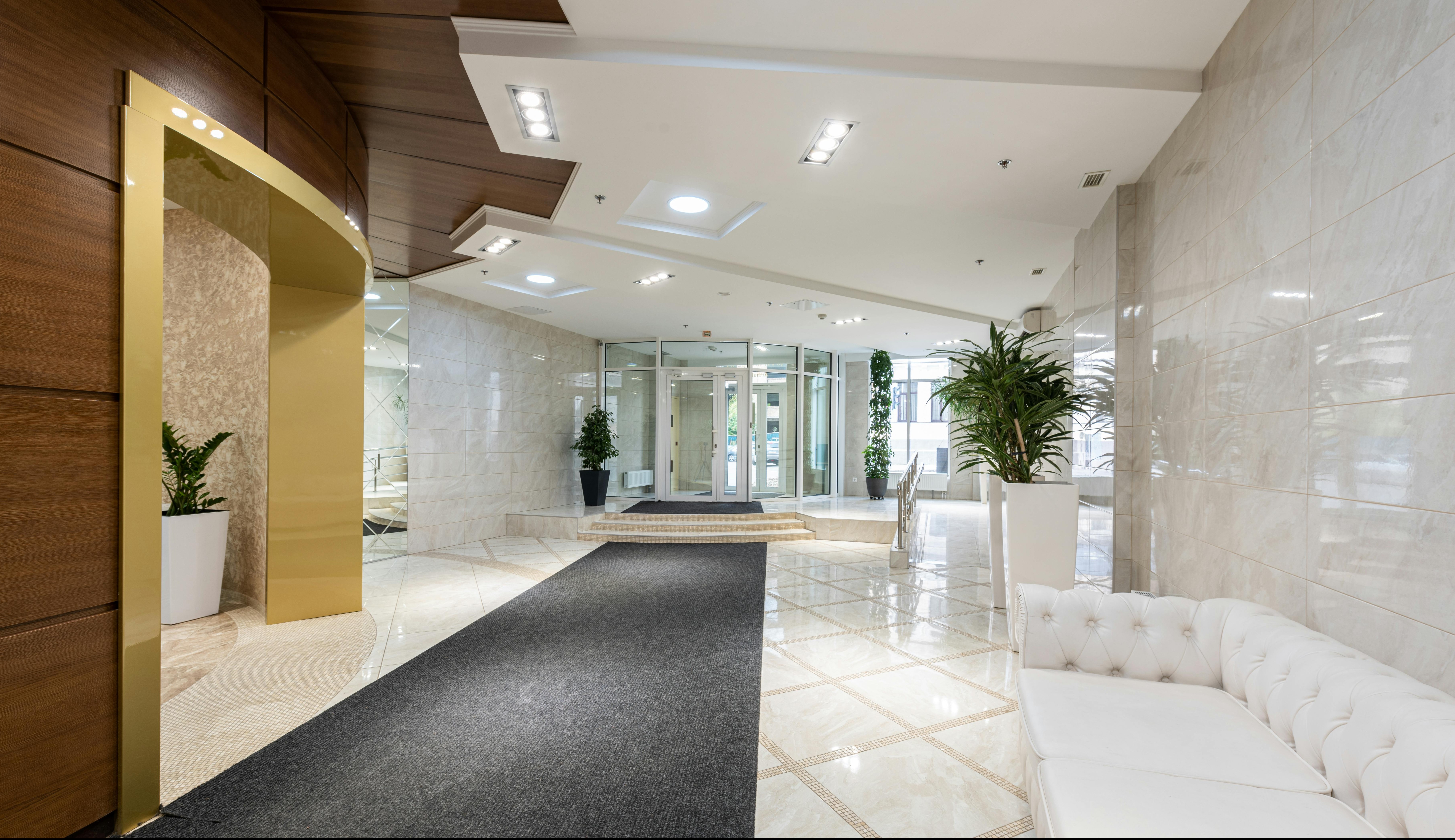
Managing space in modern buildings is no longer just about floor plans—it’s about data, efficiency, and experience. As workplaces shift toward hybrid models and smart buildings become the standard, building professionals are turning to space management software to stay competitive.
This guide breaks down what smart building space management is, why it matters, and which tools are leading the space.
What Is Building Space Management Software?
Building space management software helps organizations monitor, allocate, and optimize physical spaces such as desks, meeting rooms, and shared facilities.
Instead of relying on static layouts or manual tracking, these platforms provide real-time visibility into how space is actually used. The result is smarter planning, reduced waste, and better user experiences.
What Is Building Space Management Software?
Building space management software helps organizations monitor, allocate, and optimize physical spaces such as desks, meeting rooms, and shared facilities.
Instead of relying on static layouts or manual tracking, these platforms provide real-time visibility into how space is actually used. The result is smarter planning, reduced waste, and better user experiences.
Why Space Management Matters Today
For building owners, facility managers, and workplace leaders, space is one of the biggest operational costs—and one of the most underutilized.
Hybrid work has made usage unpredictable. Some areas sit empty while others get overcrowded. Without accurate data, decisions become guesswork.
Space management software solves this by giving teams clarity on how often spaces are used, when peak occupancy happens, and which areas are underperforming. This allows professionals to reduce costs, improve layouts, and deliver better environments for occupants.
Core Features of Smart Space Management Platforms
Most leading tools share a set of core capabilities that turn buildings into data-driven environments.
Real-time occupancy tracking shows how many people are using a space at any given moment. Floor plan visualization provides a clear overview of layouts and usage patterns.
Desk and room booking systems allow employees or tenants to reserve spaces easily, which is essential for hybrid setups.
Analytics dashboards reveal trends over time, helping teams make informed decisions about downsizing, expansion, or redesign.
Many platforms also integrate with IoT sensors, access control systems, and building management tools, creating a connected smart building ecosystem.
Top Space Management Software for Smart Buildings
Choosing the right space management platform depends on how your building operates and the level of control you need. Some tools focus on workplace experience, while others go deeper into building systems and analytics.
Workplace and Office Space Management Tools
- Appspace brings together workplace communication and space booking in one platform, making it easier for teams to navigate hybrid environments and stay connected.
- Archie is widely used in coworking and flexible offices, offering strong tools for managing desks, rooms, and memberships without adding complexity.
- deskbird is built for hybrid teams, helping employees plan office days and reserve workspaces in a way that keeps offices organized and balanced.
- Skedda stands out for its straightforward booking system and automation features, making it easy to manage shared spaces with minimal manual work.
- OfficeSpace Software is designed for larger organizations that need advanced planning tools, including scenario modeling and detailed utilization insights.
Smart Building and IoT-Driven Platforms
- EcoStruxure by Schneider Electric connects building systems, energy data, and occupancy insights to improve overall building performance.
- Desigo Optic from Siemens focuses on monitoring and optimizing building operations, giving teams a clear view of how systems and spaces are functioning.
- Atrius uses sensor-based data to provide real-time visibility into how spaces are being used, helping teams respond quickly to changes in occupancy.
- Metrikus delivers detailed analytics on both space usage and environmental conditions, making it easier to understand how buildings perform day to day.
Facility and Integrated Workplace Systems
- MaintainX helps teams manage maintenance and operations more efficiently, ensuring that spaces remain functional and well-maintained.
- ServiceChannel is built for enterprise-level facility management, connecting teams with vendors and streamlining repairs across multiple locations.
- Corrigo focuses on work order management and asset tracking, linking space usage with ongoing maintenance needs.
- FMX offers a flexible platform for handling facilities, assets, and service requests, making it a practical choice for organizations that want everything in one place.
Where Smart Space Management Makes the Biggest Impact
Different industries use space management software in unique ways.
Corporate offices rely on it to manage hybrid work and reduce unused space. Commercial real estate teams use it to improve tenant experience and maximize property value.
Hospitals benefit from better room allocation and patient flow. Universities use it to optimize classrooms and shared facilities.
Coworking spaces depend on these tools to manage memberships, bookings, and daily operations efficiently.
Benefits for Building Professionals
The biggest advantage is visibility. When you can see how space is used, you can make better decisions.
Organizations often reduce real estate costs by identifying underutilized areas. At the same time, they improve occupant satisfaction by making spaces easier to access and more comfortable to use.
Operations also become more efficient, as maintenance, scheduling, and planning are all connected through a single system.
How to Choose the Right Space Management Software
Not all platforms are built the same, so choosing the right one depends on your needs.
For smaller teams or coworking spaces, ease of use and quick setup may be the priority. Larger enterprises often need deeper analytics, integrations, and scalability.
Look for tools that integrate with your existing systems, offer strong reporting features, and provide a smooth user experience across both desktop and mobile.
Security and data privacy should also be considered, especially for multi-tenant or enterprise environments.
The Future of Smart Building Space Management
Space management is evolving quickly as buildings become more connected.
AI is starting to predict occupancy trends and recommend layout changes. Sensors are becoming more accurate and affordable, enabling real-time automation.
Sustainability is also a growing focus, with platforms helping reduce energy usage by aligning it with actual occupancy.
In the future, space management won’t just be about tracking usage—it will actively optimize buildings in real time.
Final Thoughts
Smart building space management software is no longer optional for modern building professionals. It’s a critical tool for reducing costs, improving efficiency, and delivering better experiences.
Platforms listed above, from desk booking tools like Skedda and deskbird to smart building systems like EcoStruxure and Metrikus, show how diverse and powerful this category has become.
The right solution can transform how every square meter is used—turning buildings into smarter, more responsive environments.