- What Are Thermal Inspections?
- Why Thermal Inspections Matter for Modern Building Management
- What Can Thermal Imaging Inspection Detect?
- Benefits of Infrared Thermal Imaging Inspection
- How Thermal Imaging Cameras Work During Building Inspection
- Choosing the Right Thermal Imaging Camera for Building Inspection
- Leading Thermal Imaging Cameras for Building Inspection
- Best Practices for Conducting Thermal Inspections
- Common Limitations of Thermal Imaging Inspection
- Frequently Asked Questions About Thermal Inspections
- Conclusion
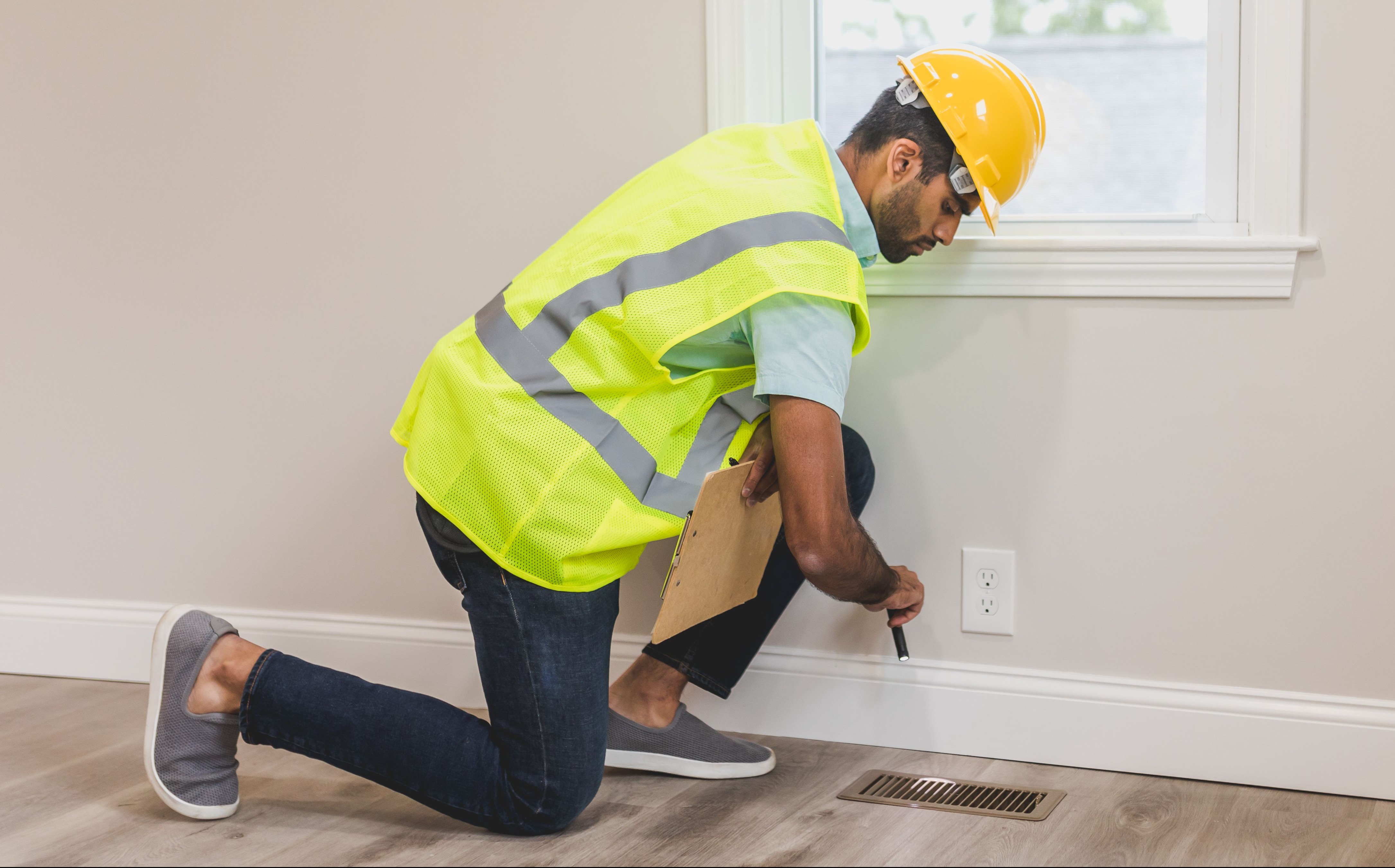
Building systems rarely fail without warning. Electrical components begin to overheat, insulation loses effectiveness, and moisture slowly spreads behind walls long before visible signs appear. The challenge for building professionals is identifying these hidden issues before they become expensive repairs or safety hazards.
This is where thermal inspections play an important role. By using infrared technology, facility managers, engineers, property owners, and maintenance teams can identify abnormal temperature patterns that indicate potential problems. Whether assessing electrical systems, HVAC equipment, or the building envelope, thermal inspections provide valuable insights that support preventive maintenance and informed decision-making.
This guide explains how thermal inspections work, their benefits, common applications, and how to choose the right thermal imaging camera for building inspection.
What Are Thermal Inspections?
Thermal inspections use infrared cameras to capture heat emitted from objects and surfaces. Instead of relying on visible light, thermal cameras detect infrared radiation and convert it into color-coded images that reveal temperature differences.
A thermal imaging inspection allows inspectors to locate hidden defects that are difficult or impossible to detect through visual observation alone. Areas that appear normal to the naked eye may show significant thermal anomalies, helping identify issues before they escalate.
An infrared thermal imaging inspection is commonly used across commercial buildings, industrial facilities, residential properties, hospitals, schools, warehouses, and manufacturing plants.
How Thermal Imaging Detects Hidden Building Issues
Every object emits heat. Thermal cameras measure this heat and display temperature variations as thermal images.
When a component operates outside its normal temperature range, it often indicates an underlying problem such as:
- Loose electrical connections
- Overloaded circuits
- Missing insulation
- Air leakage
- Moisture intrusion
- Mechanical wear
- HVAC inefficiencies
Inspectors analyze these temperature differences alongside visual observations to determine whether corrective action is required.
Common Types of Thermal Inspection Equipment
Several types of thermal cameras are available depending on inspection requirements.
- Handheld thermal cameras for routine building inspections
- Smartphone-compatible thermal imaging devices for basic diagnostics
- Drone-mounted thermal cameras for roofs and large structures
- Industrial thermal imaging systems for continuous monitoring
A professional thermal imaging camera for building inspection typically offers higher image resolution, greater temperature accuracy, and advanced reporting software than entry-level devices.
Why Thermal Inspections Matter for Modern Building Management
Modern facilities rely on complex electrical, mechanical, and structural systems. Unexpected failures can result in operational downtime, tenant complaints, expensive repairs, and safety risks.
Routine thermal inspections help organizations shift from reactive maintenance to proactive asset management.
Preventing Costly Structural and System Failures
Many equipment failures begin with excessive heat.
For example, an overloaded electrical breaker may operate normally for weeks before failing. Thermal imaging can identify the hotspot early, allowing maintenance teams to intervene before equipment damage or fire occurs.
Supporting Preventive and Predictive Maintenance Programs
Thermal inspections fit naturally into preventive maintenance schedules.
Instead of replacing equipment based solely on age, maintenance teams can prioritize repairs using actual operating conditions. This approach reduces unnecessary replacements while improving maintenance efficiency.
Improving Occupant Safety and Regulatory Compliance
Thermal inspections also contribute to safer buildings.
They help identify:
- Electrical fire hazards
- Overheating equipment
- Mechanical failures
- HVAC performance issues
- Building envelope deficiencies
Inspection reports can also support documentation for insurance, compliance programs, and facility audits.
What Can Thermal Imaging Inspection Detect?
Thermal imaging has applications across nearly every major building system.
Electrical System Problems
Electrical inspections are among the most common uses of thermal imaging.
Inspectors can identify:
- Loose wire connections
- Overloaded circuits
- Failing breakers
- Damaged switches
- Unbalanced electrical loads
- Hot electrical panels
Finding these issues early reduces fire risks and prevents costly downtime.
HVAC Performance Issues
Heating and cooling systems often develop hidden inefficiencies.
Thermal imaging can reveal:
- Air leaks
- Blocked ductwork
- Poor airflow
- Refrigerant problems
- Uneven heating
- Failing motors
These insights improve occupant comfort while reducing energy consumption.
Building Envelope Deficiencies
Building envelopes lose efficiency over time. Thermal inspections help detect:
- Missing insulation
- Thermal bridges
- Window leaks
- Air infiltration
- Roof insulation failures
Addressing these problems can significantly improve building energy performance.
Moisture and Leak Detection
Water often spreads behind walls or beneath roofing before visible damage appears.
Thermal imaging identifies cooler temperature patterns associated with moisture intrusion, allowing maintenance teams to investigate further before mold growth or structural deterioration develops.
Mechanical Equipment Monitoring
Industrial facilities frequently use thermal imaging to monitor:
- Motors
- Bearings
- Pumps
- Compressors
- Gearboxes
- Rotating machinery
Temperature trends often indicate developing mechanical failures before vibration or noise becomes noticeable.
Benefits of Infrared Thermal Imaging Inspection
Organizations that perform regular thermal inspections gain several operational advantages.
- Reduced Downtime: Early problem detection allows repairs during planned maintenance windows instead of emergency shutdowns.
- Lower Maintenance Costs: Small repairs are generally less expensive than replacing failed equipment or responding to emergency incidents.
- Improved Energy Efficiency: Thermal inspections identify energy loss caused by poor insulation, air leakage, and inefficient HVAC systems. Correcting these issues can reduce operating costs and improve sustainability performance.
- Longer Equipment Life: Equipment that operates within normal temperature ranges typically experiences less wear, extending its useful service life.
- Better Capital Planning: Inspection reports provide objective condition data that helps facility leaders prioritize maintenance budgets and long-term capital investments.
How Thermal Imaging Cameras Work During Building Inspection
A professional thermal inspection follows a structured process.
Planning the Inspection
Inspectors identify target systems, review building documentation, and determine the most appropriate environmental conditions for the survey.
Capturing Thermal Images
Using a thermal imaging camera, inspectors scan electrical panels, mechanical systems, roofs, walls, ceilings, and HVAC equipment while recording thermal images.
Interpreting Temperature Differences
Not every hotspot indicates a defect. Experienced inspectors evaluate operating conditions, load levels, ambient temperatures, and equipment specifications before drawing conclusions.
Validating Findings with Additional Testing
Thermal imaging is often combined with moisture meters, electrical testing, airflow measurements, or visual inspections to confirm findings.
Producing Actionable Inspection Reports
Professional reports typically include:
- Thermal images
- Visible-light photographs
- Temperature measurements
- Severity ratings
- Recommended corrective actions
- Maintenance priorities
These reports help maintenance teams make informed decisions.
Choosing the Right Thermal Imaging Camera for Building Inspection
Selecting the right equipment depends on inspection goals, budget, and required accuracy.
Resolution and Image Quality
Higher-resolution cameras capture more detail, making it easier to identify smaller defects and subtle temperature variations.
Temperature Measurement Accuracy
Accurate temperature readings are essential when evaluating electrical equipment and mechanical assets. Look for cameras with reliable calibration and narrow measurement tolerances.
Sensitivity (NETD)
Thermal sensitivity, often measured as Noise Equivalent Temperature Difference (NETD), determines how well a camera detects very small temperature differences. Lower NETD values generally indicate better performance.
Software and Reporting Features
Modern inspection software can streamline workflows by offering:
- Automated reporting
- Cloud storage
- Image comparison
- Temperature analysis
- Annotation tools
These features improve documentation and collaboration across maintenance teams.
Durability and Ease of Use
Building inspections often involve challenging environments.
Choose cameras that offer:
- Rugged construction
- Long battery life
- Comfortable ergonomics
- Intuitive controls
- Reliable field performance
Leading Thermal Imaging Cameras for Building Inspection
Several manufacturers offer thermal cameras designed for professional building inspections.
FLIR E8 Pro
The FLIR E8 Pro is a versatile professional thermal camera widely used for electrical inspections, building diagnostics, and preventive maintenance. It offers strong image quality, intuitive operation, and comprehensive reporting capabilities.
Best for: Commercial building inspections, facility maintenance teams, and general building diagnostics.
Watchouts: The higher purchase price may be difficult to justify for organizations with occasional inspection needs.
FLIR C5
The FLIR C5 is a compact thermal camera designed for routine maintenance and quick inspections. Its portability makes it convenient for property managers and maintenance personnel conducting daily walkthroughs.
Best for: Maintenance staff, property managers, and routine inspections.
Watchouts: Its lower image resolution limits performance on larger or more complex facilities.
FLIR T540
The FLIR T540 targets engineers and professional consultants performing advanced diagnostics. Its higher resolution and interchangeable lenses support detailed inspections across large commercial and industrial facilities.
Best for: Engineering consultants, industrial facilities, and advanced diagnostic work.
Watchouts: Premium pricing and advanced features may require additional operator training.
Hikmicro M Series
The Hikmicro M Series provides a balance between affordability and professional performance, making it attractive for organizations building their inspection capabilities.
Best for: Small to mid-sized organizations seeking cost-effective thermal imaging.
Watchouts: Software features and accessory ecosystems may be less extensive than some premium competitors.
Testo 883
The Testo 883 combines high-quality thermal imaging with advanced reporting tools, making it well suited for energy audits and comprehensive building assessments.
Best for: Energy auditors, professional inspection firms, and building consultants.
Watchouts: Advanced reporting features involve a learning curve, and the initial investment is higher than entry-level alternatives.
Best Practices for Conducting Thermal Inspections
To maximize inspection accuracy:
- Perform inspections under appropriate environmental conditions.
- Understand material emissivity and reflective surfaces.
- Verify significant findings with complementary testing methods.
- Keep thermal cameras properly calibrated.
- Maintain consistent reporting procedures.
- Compare inspection results over time to identify developing trends.
Following these practices improves both inspection reliability and maintenance planning.
Common Limitations of Thermal Imaging Inspection
While thermal imaging is a powerful diagnostic tool, it should not be viewed as a standalone solution.
Thermal cameras identify temperature differences, not the exact cause of a problem. Environmental conditions such as sunlight, wind, rain, and equipment loading can also influence results.
Interpreting thermal images requires training and experience, particularly when inspecting complex electrical or mechanical systems.
For this reason, thermal imaging should complement visual inspections, electrical testing, moisture detection, and other diagnostic techniques rather than replace them.
Frequently Asked Questions About Thermal Inspections
How often should commercial buildings undergo thermal inspections?
Most commercial facilities benefit from annual thermal inspections. Buildings with critical electrical systems, manufacturing equipment, or high occupancy may require more frequent inspections.
Can thermal imaging detect water leaks behind walls?
Yes. Thermal imaging often identifies temperature variations caused by moisture, although inspectors typically confirm findings using moisture meters or additional testing.
Are thermal inspections required by building codes?
Requirements vary by jurisdiction and industry. While not always mandatory, many organizations include thermal inspections as part of preventive maintenance, insurance risk management, and electrical safety programs.
What is the difference between infrared thermal imaging inspection and visual inspection?
Visual inspections identify visible defects, while infrared thermal imaging inspections reveal hidden temperature anomalies that may indicate developing problems before visible damage occurs.
How much does a professional thermal inspection typically cost?
Costs depend on building size, system complexity, inspection scope, and reporting requirements. Comprehensive commercial inspections generally cost more than residential assessments but can provide significant long-term savings through early issue detection.
Conclusion
Thermal inspections have become an essential part of modern building management. By revealing hidden temperature anomalies in electrical systems, HVAC equipment, building envelopes, and mechanical assets, they enable organizations to detect problems before they lead to failures, downtime, or costly repairs.
For building professionals, facility managers, and organizational leaders, investing in routine thermal imaging inspection programs is about more than identifying defects. It supports preventive maintenance, improves energy efficiency, enhances occupant safety, and extends the lifespan of valuable building assets. Combined with skilled interpretation and complementary inspection methods, infrared thermal imaging inspection provides actionable insights that strengthen maintenance strategies and help organizations protect both their facilities and their long-term operational performance.