- What Is Tire Management?
- Why Tire Management Matters for Fleet Operations
- What Is Tire Management Software?
- Key Features to Look For in Tire Management Software
- Best Tire Management Software and Systems to Consider
- How to Choose the Right Tire Management System
- Tire Management KPIs Fleet Leaders Should Track
- Final Thoughts
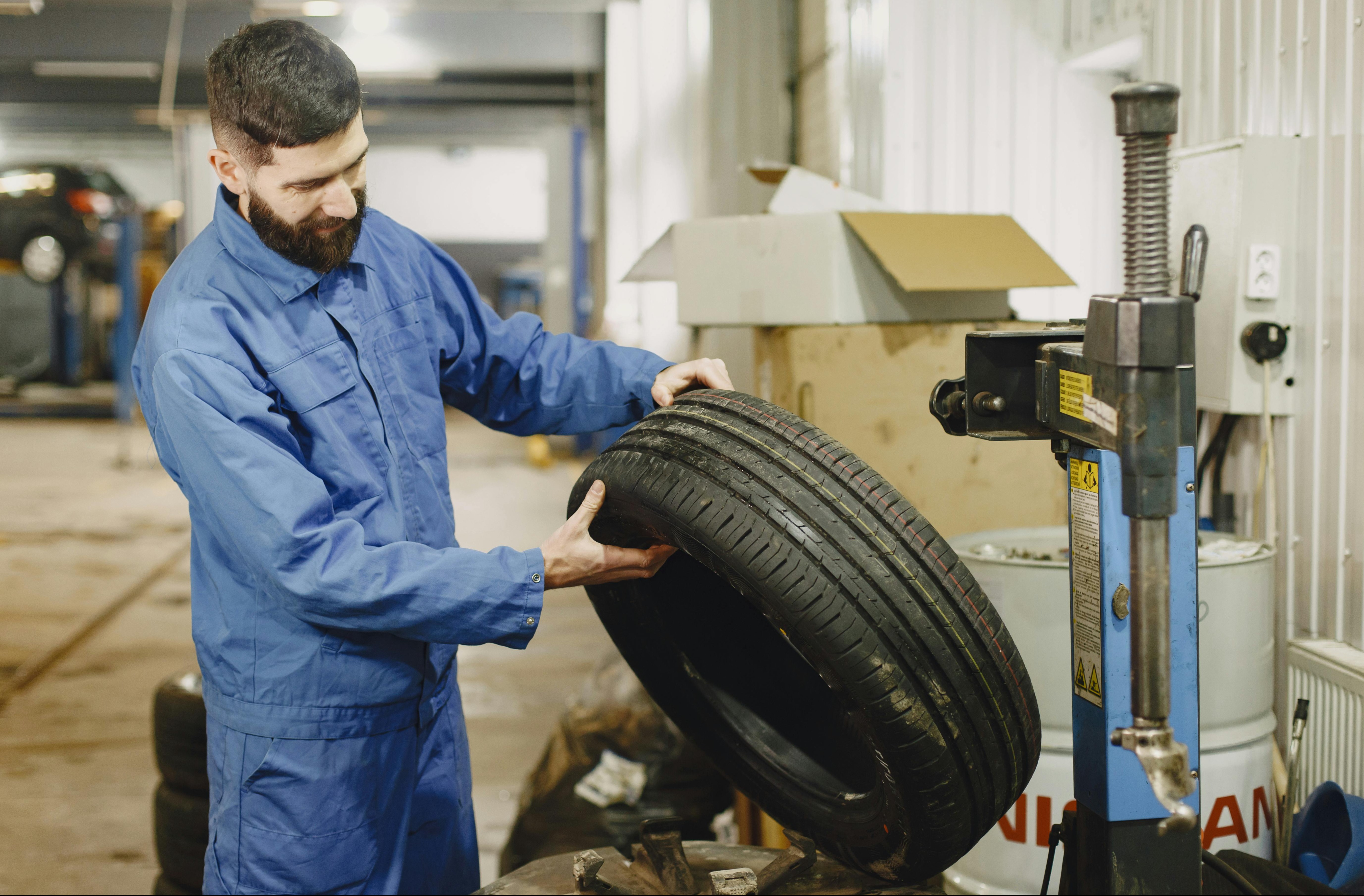
For fleet management professionals and leaders, tire management is more than a maintenance task. It is a direct lever for uptime, safety, compliance, fuel efficiency, and operating cost control.
A strong tire program helps fleets know where each tire is, how it is performing, when it needs attention, and whether it is delivering value over its full lifecycle. The right tire management software also works like a practical time management system for maintenance teams. It reduces manual tracking, improves inspection workflows, and helps leaders act before small tire issues become expensive road calls.
What Is Tire Management?
Tire management is the process of tracking, maintaining, inspecting, rotating, repairing, retreading, replacing, and reporting on every tire in a fleet.
It includes basic maintenance tasks, such as checking pressure and tread depth. It also includes broader operational controls, such as tire inventory, service history, cost-per-mile analysis, casing management, warranty records, and replacement planning.
This distinction matters. Tire maintenance is what technicians do to keep tires safe and usable. Tire management is the system leaders use to make better decisions across the full tire lifecycle.
For commercial fleets, tire condition also connects to regulatory and safety expectations. U.S. rules under 49 CFR 393.75 restrict operating vehicles with issues such as exposed ply or belt material, tread or sidewall separation, flat tires, audible leaks, and certain tread depth problems.
Why Tire Management Matters for Fleet Operations
Tires are one of the most visible fleet expenses, but they are often managed with incomplete data. A tire may move between vehicles, positions, locations, and service events. Without a reliable system, teams can lose track of why a tire was removed, whether it was repairable, how many miles it delivered, or whether a specific brand is underperforming.
That creates several business problems.
First, poor tire visibility increases safety risk. Drivers and technicians may miss early warning signs such as irregular wear, low pressure, sidewall damage, or tread loss.
Second, reactive tire maintenance creates downtime. A roadside failure can disrupt delivery schedules, increase emergency repair costs, and reduce asset availability.
Third, weak tire data makes purchasing decisions harder. Leaders may compare tire prices without understanding cost per mile, retread performance, casing value, or failure patterns by route and vehicle type.
The goal is not just to buy better tires. The goal is to manage tire performance with the same discipline used for fuel, preventive maintenance, labor, and asset utilization.
What Is Tire Management Software?
Tire management software gives fleets a digital system for tracking tire data and turning it into action.
A strong platform should help teams monitor tire ID, vehicle assignment, axle position, tread depth, pressure, mileage, install date, rotation history, repair history, retread status, inventory, and disposal reason. It should also make that data easy to capture in the field.
This is where the “time management system” benefit becomes practical. Instead of relying on paper forms, spreadsheets, or end-of-day data entry, teams can use mobile inspections, automated alerts, and maintenance workflows. That saves time for technicians and gives managers cleaner information.
The right system also helps leaders shift from reactive decisions to planned interventions. For example, tire data can show which vehicles need rotation, which tires are wearing too quickly, and which locations are holding too much or too little inventory.
Key Features to Look For in Tire Management Software
Fleet leaders should evaluate tire management software based on workflow fit, not just feature volume.
- Look first for tire lifecycle tracking. The system should follow each tire from purchase to installation, rotation, repair, retread, and disposal.
- Review inspection capabilities. Teams need an easy way to capture tread depth, tire pressure, visible damage, photos, and technician notes. Mobile access is especially important for distributed fleets.
- Axle and position tracking is also critical. Tire performance depends on where the tire is installed. Without position-level tracking, it is harder to understand irregular wear, rotation needs, and vehicle-specific issues.
- Inventory management should be part of the evaluation. Leaders need visibility into stock by location, tire size, model, condition, and reorder requirements.
- Reporting is another priority. Good systems help fleets compare cost per mile, premature removals, tire-related downtime, brand performance, and inspection completion rates.
- Consider integrations. Tire data becomes more useful when it connects with fleet maintenance systems, telematics, TPMS, ERP, procurement tools, and inspection apps.
Best Tire Management Software and Systems to Consider
The best tire management system depends on fleet size, maintenance maturity, existing technology, and the level of tire-specific intelligence required.
Fleetio
Fleetio is a strong option for fleets that want tire management within a broader fleet operations and maintenance platform. Its tire management capabilities include tracking installs, tread depth, pressure, inspections, inventory, and costs. Fleetio also positions its tire tools around DOT compliance, inspection scheduling, inventory control, and cost reduction.
Key features include tire activity records, tire inspections, pressure and tread readings, axle configuration, service history, and inventory visibility. It is useful for teams that want tire data connected to maintenance records rather than isolated in a separate system.
This is best for fleets that need an all-in-one platform for maintenance, inspections, inventory, and reporting. One watchout is that highly specialized fleets may still need deeper tire sensor analytics or advanced predictive tire modeling.
Michelin Connected Fleet, Optimized Tire Performance
Michelin Connected Fleet’s Optimized Tire Performance solution focuses on predictive maintenance, real-time monitoring, tire management strategies, and fleet support. Michelin also describes the solution as a way to improve safety, efficiency, and sustainability through better tire performance management.
This option is especially relevant for fleets that want tire expertise combined with connected data. Michelin’s approach can be valuable when leaders want more than software. They may also want support in maintenance planning, tire strategy, and service coordination.
This is best for larger fleets that want a tire-led program backed by a major tire manufacturer. One watchout is that leaders should confirm how the solution integrates with existing fleet systems and how flexible the reporting is for internal analysis.
Bridgestone IntelliTire with Geotab
Bridgestone IntelliTire is available through the Geotab Marketplace and is positioned as a tire data analytics and management service. The listing highlights tire monitoring, tire pressure, tire temperature, TPMS capabilities, analytics, and fleet management use cases.
For fleets already using Geotab, this can be a practical way to bring tire health data into the connected fleet environment. That matters because tire insights are more useful when operations teams can view them alongside vehicle, route, and maintenance data.
This is best for fleets already invested in Geotab and looking to add tire monitoring without creating another disconnected workflow. One watchout is that fleets outside the Geotab ecosystem should evaluate setup requirements, sensor strategy, and integration fit.
Continental ContiConnect
Continental ContiConnect is a digital tire management platform focused on real-time tire data. Continental describes the platform as providing visibility into tire pressure, temperature, and mileage through a web portal. Other Continental materials describe real-time monitoring, alerts, and support for reducing tire-related breakdowns.
ContiConnect is built for fleets that want closer monitoring of tire condition. It can support proactive maintenance by helping teams identify pressure and temperature issues before they become failures.
This is best for commercial truck and bus fleets that want digital tire monitoring within a tire manufacturer’s ecosystem. One watchout is that implementation may depend on hardware, sensors, and operational readiness across vehicles and locations.
Revvo AI
Revvo positions itself as an AI-powered tire monitoring and management platform. Its TireIQ solution focuses on predictive, proactive, 24/7 tire monitoring, with automated insights and recommendations for fleet teams. Revvo also highlights tire pressure, temperature, tread monitoring, predictive analytics, real-time alerts, and plug-and-play sensors for commercial fleets.
This type of platform is useful for fleets that want to move beyond inspection records and toward automated tire intelligence. It may help teams identify issues faster and prioritize action based on risk.
This is best for fleets that want sensor-based insights, AI recommendations, and real-time tire visibility. One watchout is that leaders should assess alert quality, sensor deployment effort, and whether teams have clear workflows for acting on recommendations.
Trimble Tire Tracking
Trimble Tire Tracking is designed to help teams monitor tire tread depth, age, placement, repairs, and replacements. Trimble positions the solution as a way to maximize tire lifespan and keep trucks on the road longer.
This can be a good fit for fleets already using Trimble’s transportation or maintenance tools. Tire tracking becomes more valuable when it connects to work orders, shop activity, parts, and asset history.
This is best for transportation fleets that operate inside the Trimble ecosystem. One watchout is that fleets using other maintenance systems should review integration options before committing.
HVI Tire Management
HVI’s tire management solution focuses on lifecycle tracking, automated rotation schedules, tread depth monitoring, and tracking tires in storage and on vehicles. HVI also emphasizes manufacturer data, status, usage history, inventory, and cost control.
This makes it relevant for heavy vehicle fleets that need a practical way to track tire movement, inspections, rotations, and replacement timing. It is especially useful when manual records are limiting visibility.
This is best for heavy vehicle fleets that want structured tire tracking and inspection workflows. One watchout is that enterprise buyers should validate reporting depth, integrations, and multi-location controls.
How to Choose the Right Tire Management System
Start with your fleet’s operating complexity. A small local fleet may need inspections, reminders, and inventory tracking. A large logistics or transit fleet may need TPMS integrations, predictive analytics, multi-site inventory, and executive reporting.
Next, evaluate your tire data maturity. If tire data lives in spreadsheets, the first priority may be standardizing tire IDs, axle positions, inspection forms, and removal reasons. If your fleet already uses telematics or TPMS, the priority may be turning sensor data into useful workflows.
Leaders should also involve technicians early. A system that looks strong in a demo may fail if field teams cannot capture data quickly. Adoption depends on simple forms, clear alerts, mobile access, and practical service rules.
Cost should include more than subscription price. Consider sensors, hardware, implementation, training, integrations, reporting, support, and change management. The best system should reduce waste, improve uptime, and make tire decisions easier to defend.
Tire Management KPIs Fleet Leaders Should Track
The most important tire KPI is cost per mile or cost per kilometer. This gives leaders a clearer view of tire value than purchase price alone.
Other useful metrics include tire-related downtime, premature removals, inspection completion rate, average tread depth at removal, retread rate, casing acceptance rate, and emergency road calls.
Leaders should also compare tire performance by vehicle, route, location, driver group, and tire model. These comparisons can reveal patterns that are invisible in basic maintenance records.
Final Thoughts
Tire management is a leadership discipline, not just a shop-floor task.
For fleet management professionals, the opportunity is to turn tire data into better decisions. That means fewer avoidable failures, more consistent inspections, smarter inventory, stronger compliance records, and better cost control.
The right tire management software should fit the way your fleet works today while supporting a more proactive operating model tomorrow. When leaders combine reliable data, clear workflows, and disciplined review, tires become more than a recurring expense. They become a measurable part of fleet performance.