- What Is Water Damage Prevention in Commercial Buildings?
- Why Water Damage Prevention Matters for Building Leaders
- Common Causes of Water Damage in Commercial Properties
- Key Components of an Effective Water Damage Prevention Strategy
- How to Prevent Water Damage: Practical Steps for Building Managers
- Water Damage Prevention Systems: What to Look For
- Leading Water Damage Prevention Systems for Commercial Buildings
- How to Evaluate Commercial Water Damage Prevention Solutions
- Implementation Challenges and How to Overcome Them
- The Future of Commercial Water Damage Prevention
- Conclusion
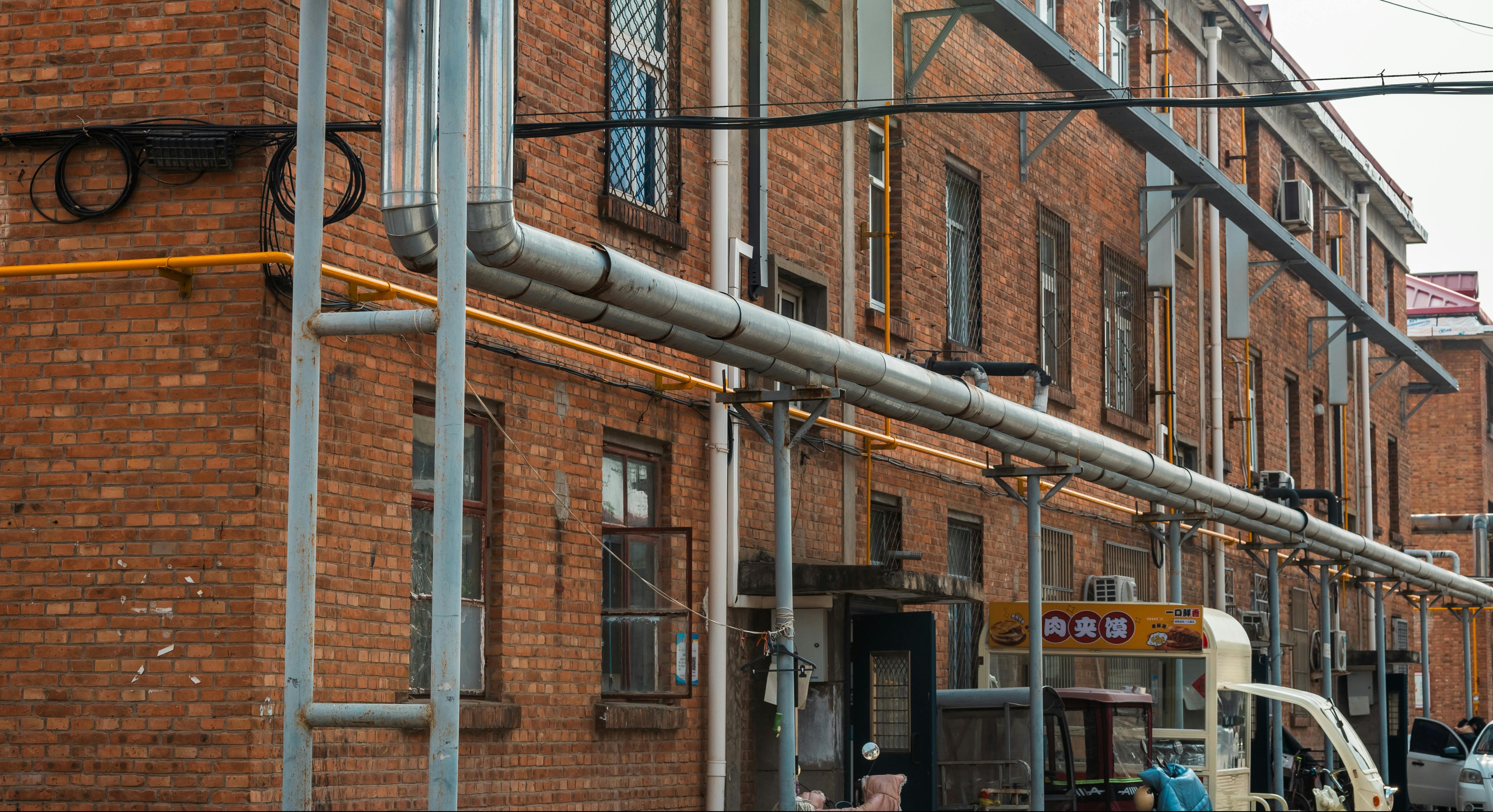
Water damage prevention is a growing priority for commercial building managers. Unplanned leaks can disrupt operations, damage assets, and create safety risks for tenants. Costs extend beyond repairs and often include downtime, insurance claims, and reputational impact. For building leaders, prevention is a more reliable and cost-effective approach than reactive fixes.
This article explores how to prevent water damage, what systems to consider, and which commercial water damage prevention solutions are leading the market today.
What Is Water Damage Prevention in Commercial Buildings?
Water damage prevention refers to the systems, processes, and technologies used to detect, reduce, and eliminate water-related risks in buildings. In commercial environments, this includes plumbing infrastructure, HVAC systems, roofing, and drainage.
It also includes real-time monitoring tools and automated controls that reduce the likelihood of major incidents. The goal is to protect physical assets while ensuring continuous operations.
Why Water Damage Prevention Matters for Building Leaders
For commercial building managers and leaders, water damage is not just a maintenance issue. It is a business risk.
Preventive strategies help:
Reduce repair and insurance costs
- Minimize tenant disruption
- Maintain compliance with safety standards
- Extend the lifespan of building infrastructure
Organizations that invest in water damage prevention systems often see improved operational resilience and lower long-term costs.
Common Causes of Water Damage in Commercial Properties
Understanding the source of risk is the first step in prevention.
- Aging plumbing systems can fail unexpectedly, especially in older buildings
- Roof leaks often result from poor drainage or deferred maintenance
- HVAC systems can create condensation that leads to hidden moisture buildup
- Faulty sprinkler systems may trigger accidental water discharge
- Severe weather events can overwhelm drainage systems and cause flooding
Each of these risks requires a different preventive approach.
Key Components of an Effective Water Damage Prevention Strategy
An effective strategy combines process, technology, and accountability.
- Routine inspections ensure early identification of weak points
- Preventive maintenance reduces the chance of system failure
- Real-time monitoring provides immediate alerts when leaks occur
- Emergency response plans limit damage when incidents happen
- Staff training ensures quick and appropriate action
These elements work together to create a proactive defense system.
How to Prevent Water Damage: Practical Steps for Building Managers
Building managers can take several practical steps to reduce risk.
Start with a preventive maintenance plan that includes regular inspection of pipes, roofs, and HVAC systems. Replace aging infrastructure before failure occurs. Install leak detection sensors in high-risk areas such as basements, server rooms, and near critical equipment. These sensors provide early warnings that allow teams to act quickly.
Ensure proper drainage and waterproofing across the building envelope. Seasonal inspections are especially important before heavy rain periods. Finally, standardize response protocols so that teams can act immediately when an alert is triggered.
Water Damage Prevention Systems: What to Look For
Modern water damage prevention systems rely heavily on connected technology.
Key capabilities include:
- IoT-based sensors that detect leaks and moisture
- Automated shutoff valves that stop water flow instantly
- Cloud-based dashboards for centralized monitoring
- Integration with building management systems for unified control
When evaluating systems, focus on scalability, ease of deployment, and the quality of alerting mechanisms.
Leading Water Damage Prevention Systems for Commercial Buildings
WINT (Water Intelligence)
WINT provides AI-powered water management and leak detection designed for commercial facilities. It focuses on real-time monitoring and usage analytics to identify anomalies.
Key features include:
- Continuous water flow monitoring
- AI-based anomaly detection
- Automated leak alerts and shutoff integration
- Detailed usage analytics for sustainability tracking
This platform is best for organizations that want both water damage prevention and water efficiency insights. One limitation is that implementation may require integration planning, especially in older buildings with limited digital infrastructure.
Flo by Moen (Commercial Solutions)
Flo by Moen offers smart water monitoring and automatic shutoff systems adapted for commercial environments. It is widely used for detecting leaks and preventing major incidents.
Key features include:
- Smart leak detection with mobile alerts
- Automatic water shutoff capabilities
- Usage tracking and reporting
- Scalable deployment across multiple properties
This solution is best for facilities that need reliable, automated response to leaks. A potential downside is that advanced features may depend on connectivity and system compatibility.
Phyn Plus (Commercial Applications)
Phyn Plus uses high-resolution pressure sensing to detect leaks and monitor water usage. Its technology can identify micro-leaks that traditional systems might miss.
Key features include:
- Pressure-based leak detection
- Real-time alerts and notifications
- Automated shutoff functionality
- Detailed water usage insights
It is best suited for buildings that require precise leak detection at an early stage. However, installation may require plumbing modifications depending on the building layout.
Alert Labs
Alert Labs specializes in remote monitoring solutions, including water leak detection for commercial properties. Its systems are designed for continuous oversight without heavy infrastructure changes.
Key features include:
- Wireless sensors for leak detection
- Cloud-based monitoring dashboard
- Long battery life for sensors
- Remote alerting via multiple channels
This platform is best for organizations that want flexible deployment with minimal disruption. One tradeoff is that it may not offer the same level of automation as systems with built-in shutoff controls.
Aqualeak
Aqualeak provides enterprise-grade leak detection systems used in large facilities such as hotels and hospitals. It focuses on scalability and centralized monitoring.
Key features include:
- Zoned leak detection systems
- Central control panels for large sites
- Integration with existing building systems
- Customizable alert thresholds
It is best for large, complex facilities that need centralized control over multiple zones. A limitation is that it may require more extensive setup compared to lightweight IoT solutions.
How to Evaluate Commercial Water Damage Prevention Solutions
Selecting the right system depends on several factors.
- Building size and complexity determine the level of coverage required
- Risk exposure influences whether automated shutoff is necessary
- Budget constraints affect the balance between advanced features and basic monitoring
- Integration needs depend on existing building management systems
- Vendor support is critical for long-term success
Leaders should align system capabilities with operational priorities.
Implementation Challenges and How to Overcome Them
Adopting water damage prevention systems can present challenges.
Budget limitations often delay investment, but framing prevention as cost avoidance can help justify spend. Integration with legacy systems may require phased implementation.
Some teams may resist new technology. Training and clear communication can improve adoption. Working with experienced vendors can also reduce deployment risks.
The Future of Commercial Water Damage Prevention
Water damage prevention is evolving with smarter technology.
AI-driven analytics are improving predictive maintenance capabilities. IoT ecosystems are becoming more integrated with building management platforms. Insurance providers are also encouraging or requiring proactive monitoring.
These trends suggest that prevention systems will become standard in modern commercial buildings.
Conclusion
Water damage prevention is no longer optional for commercial building managers. It is a strategic investment that protects assets, reduces costs, and ensures operational continuity.
By combining preventive maintenance, smart systems, and clear response protocols, organizations can significantly reduce risk. Leaders who prioritize prevention today will be better positioned to manage both expected and unexpected challenges in the future.