- What is Workforce Analytics?
- From Reporting to Insight
- Why Workforce Analytics Matters for HR and Talent Acquisition
- Key Capabilities to Look for in Workforce Analytics Software
- Top Workforce Analytics Software for HR Leaders in 2025
- Implementing Workforce Analytics in Your Organization
- The Future of Workforce Analytics
- Conclusion: Making Workforce Analytics a Strategic Advantage
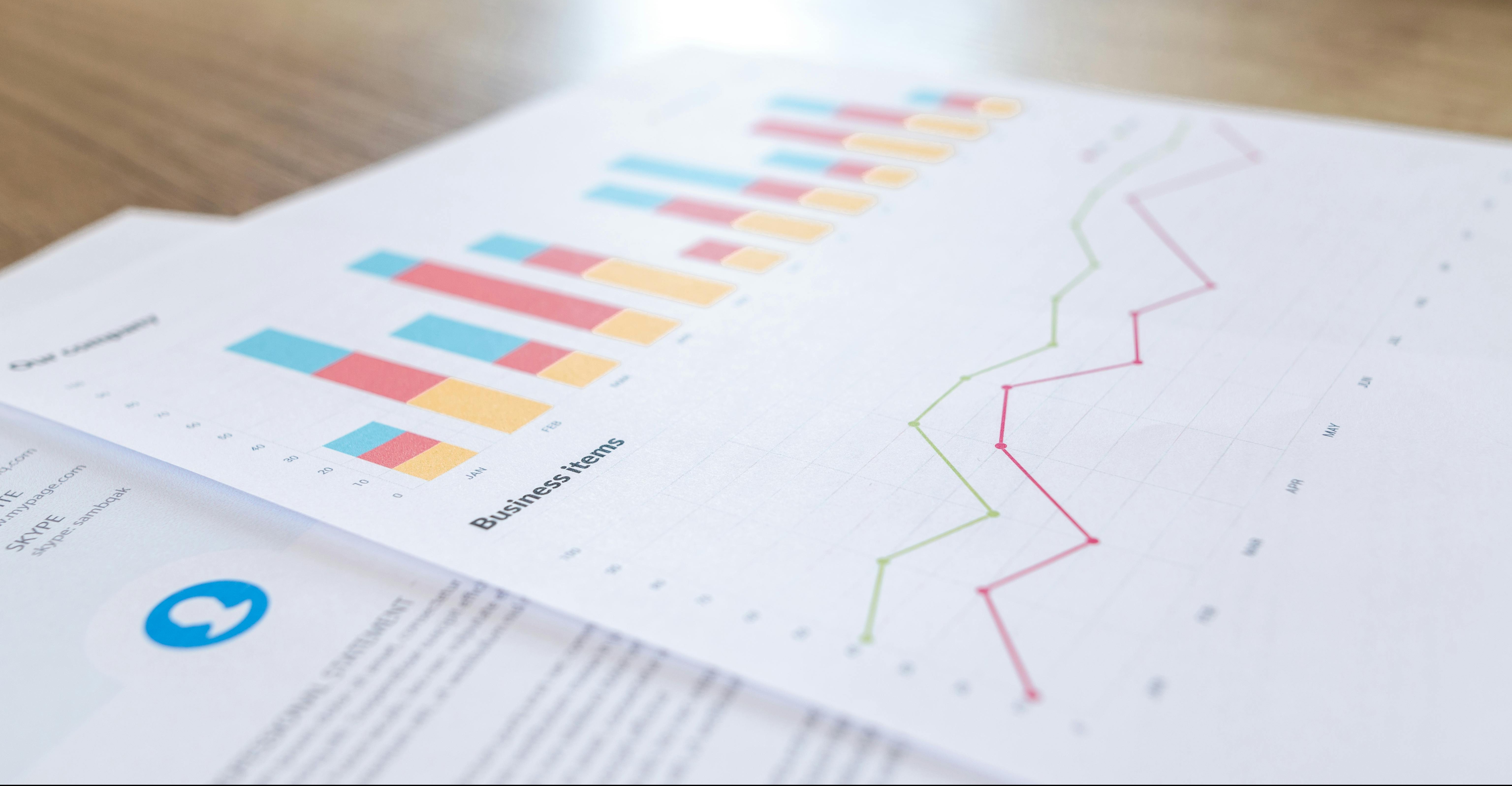
In today’s competitive talent market, HR leaders are under pressure to make faster, smarter decisions about people. Workforce analytics gives them the data to do it. HR data is turned into insights. Leaders can use these to optimize their processes.
Workforce analytics is no longer just a reporting function. It is a strategic capability that helps organizations stay agile and competitive.
What is Workforce Analytics?
Workforce analytics refers to the use of data analysis, modeling, and visualization to understand and improve workforce performance. It combines data from HR systems, payroll, and performance tools to reveal patterns that guide decision-making.
From Reporting to Insight
In the past, HR teams focused mainly on reporting metrics like headcount and turnover. Modern workforce analytics goes further by predicting future outcomes and identifying actions that drive better results. This shift helps HR leaders move from descriptive to prescriptive insights that shape the workforce strategy.Why Workforce Analytics Matters for HR and Talent Acquisition
HR and talent acquisition professionals are now expected to provide evidence-based recommendations. Workforce analytics supports that shift by improving accuracy, efficiency, and foresight.Improving Hiring Accuracy
Analytics can identify which candidate traits and experiences correlate with success in specific roles. By analyzing performance data, hiring teams can refine job profiles and improve selection criteria. The result is better-quality hires and reduced turnover.Enhancing Retention and Engagement
Attrition patterns hide in plain sight. Workforce analytics helps HR identify risk factors such as low engagement, pay disparities, or lack of internal mobility. By spotting these signals early, leaders can design targeted retention strategies and improve the employee experience.Workforce Planning and Analytics for Agility
Business priorities shift quickly. Workforce analytics allows HR teams to forecast future needs and assess the impact of strategic changes. With scenario planning, leaders can anticipate skills gaps and design reskilling programs before shortages occur.Key Capabilities to Look for in Workforce Analytics Software
Selecting the right workforce analytics software is critical. HR leaders should focus on platforms that integrate data from multiple systems, offer clear visualizations, and scale as the organization grows.Data Integration and Visualization
Effective analytics depend on reliable data. The best platforms connect to HRIS, ATS, and performance systems to create a single view of workforce health. Visual dashboards make complex data accessible to both HR and business leaders.Predictive Modeling and Scenario Planning
Advanced workforce analytics software uses predictive algorithms to forecast trends such as turnover or hiring demand. Scenario planning lets teams test different strategies before implementation, helping HR respond proactively to market shifts.Scalability and User Experience
A system that works for one department may not fit an entire enterprise. Scalability ensures the platform can handle larger datasets as the organization grows. An intuitive interface also matters, since ease of use drives adoption across HR and management teams.Top Workforce Analytics Software for HR Leaders in 2025
Visier
Visier is a leading enterprise platform built specifically for workforce analytics. It connects multiple HR systems to deliver detailed insights into workforce composition, movement, and performance. Its predictive modeling features allow organizations to simulate outcomes based on different workforce scenarios.- Recommended for: This tool is best for enterprise-level workforce analytics and scenario modeling.
- Downsides: Implementing it can be complex and requires clean, structured data for accuracy.
UKG Pro Workforce Management
UKG Pro combines HR, payroll, and analytics in a single system. Its unified platform helps HR leaders analyze workforce trends while managing day-to-day operations. Real-time dashboards support compliance, scheduling, and engagement tracking. - **Recommended for:** Organizations seeking integrated HR, payroll, and analytics capabilities. - **Downsides:** Reporting customization is limited, especially for advanced analytics use cases.ADP DataCloud
ADP DataCloud leverages payroll and HR data to offer benchmarking and analytics insights. The platform helps HR teams identify patterns in turnover, compensation, and workforce demographics. - **Recommended for:** Teams that are already using ADP services; good for those that want built-in analytics and benchmarking. - **Downsides:** Predictive modeling and scenario planning are less robust than specialized analytics tools.ChartHop
ChartHop focuses on organizational visualization and workforce planning. It creates dynamic org charts that update automatically as people or roles change. The platform offers analytics on headcount, compensation, and diversity metrics. - **Recommended for:** This is best for mid-sized companies focused on org design and workforce planning. - **Downsides:** It may require integrations with other tools to deliver deeper analytics or predictive insights.Implementing Workforce Analytics in Your Organization
Success with workforce analytics depends on more than software. HR leaders must ensure data quality, governance, and analytical capability across their teams.
Establishing Data Governance and Ownership
Reliable analytics start with clean data. HR teams should define clear data standards and assign ownership for accuracy and updates. Integrating systems under consistent governance prevents duplication and ensures trusted results.Building Analytical Literacy in HR Teams
Technology alone cannot drive change. HR professionals need to understand how to interpret and apply analytics insights. Investing in basic data literacy and visualization training helps teams use analytics with confidence.Measuring ROI and Continuous Improvement
Analytics should lead to measurable outcomes. HR leaders can track return on investment by linking analytics initiatives to key metrics such as reduced turnover, faster hiring, or improved engagement. Regular review cycles ensure that the analytics strategy evolves with business needs.The Future of Workforce Analytics
As artificial intelligence becomes more embedded in HR systems, workforce analytics will evolve further. Predictive and generative AI will enable real-time workforce forecasting and skills-based planning. Ethical considerations around data privacy and transparency will also grow in importance. Organizations that balance innovation with responsibility will gain a competitive advantage.Conclusion: Making Workforce Analytics a Strategic Advantage
Workforce analytics is now essential to modern HR leadership. It transforms HR from a reactive function into a proactive strategic partner. By investing in the right software, building analytical capability, and embedding data-driven thinking, HR leaders can anticipate change instead of reacting to it. Those who use workforce analytics effectively will lead to more agile, informed, and resilient organizations.